 By admin
 What if a common houseplant held secrets to ancient wellness, yet also harbored a hidden danger? Kalanchoe, often called the air plant, life plant, or mother-of-thousands, has captivated traditional healers for centuries, and its rising popularity in modern wellness circles comes with a critical caveat.
The succulent leaves of Kalanchoe are packed with a diverse array of plant compounds, including powerful flavonoids and other intriguing bioactive substances that have sparked significant scientific curiosity. Early laboratory investigations have explored the antioxidant and various other biological attributes of certain Kalanchoe species.
However, it is absolutely vital to understand the crucial difference between centuries of traditional use and scientifically proven medical benefits. Kalanchoe should under no circumstances be considered a definitive treatment or cure for conditions such as inflammation, infections, liver disease, respiratory ailments, or any other serious illness.
In fact, a critical piece of information is that some Kalanchoe species naturally contain bufadienolides. These are potent compounds that can directly impact cardiac function and pose a significant toxic risk when ingested. For this reason, precisely identifying the specific Kalanchoe species and thoroughly understanding its safety profile are non-negotiable steps before considering any form of consumption.
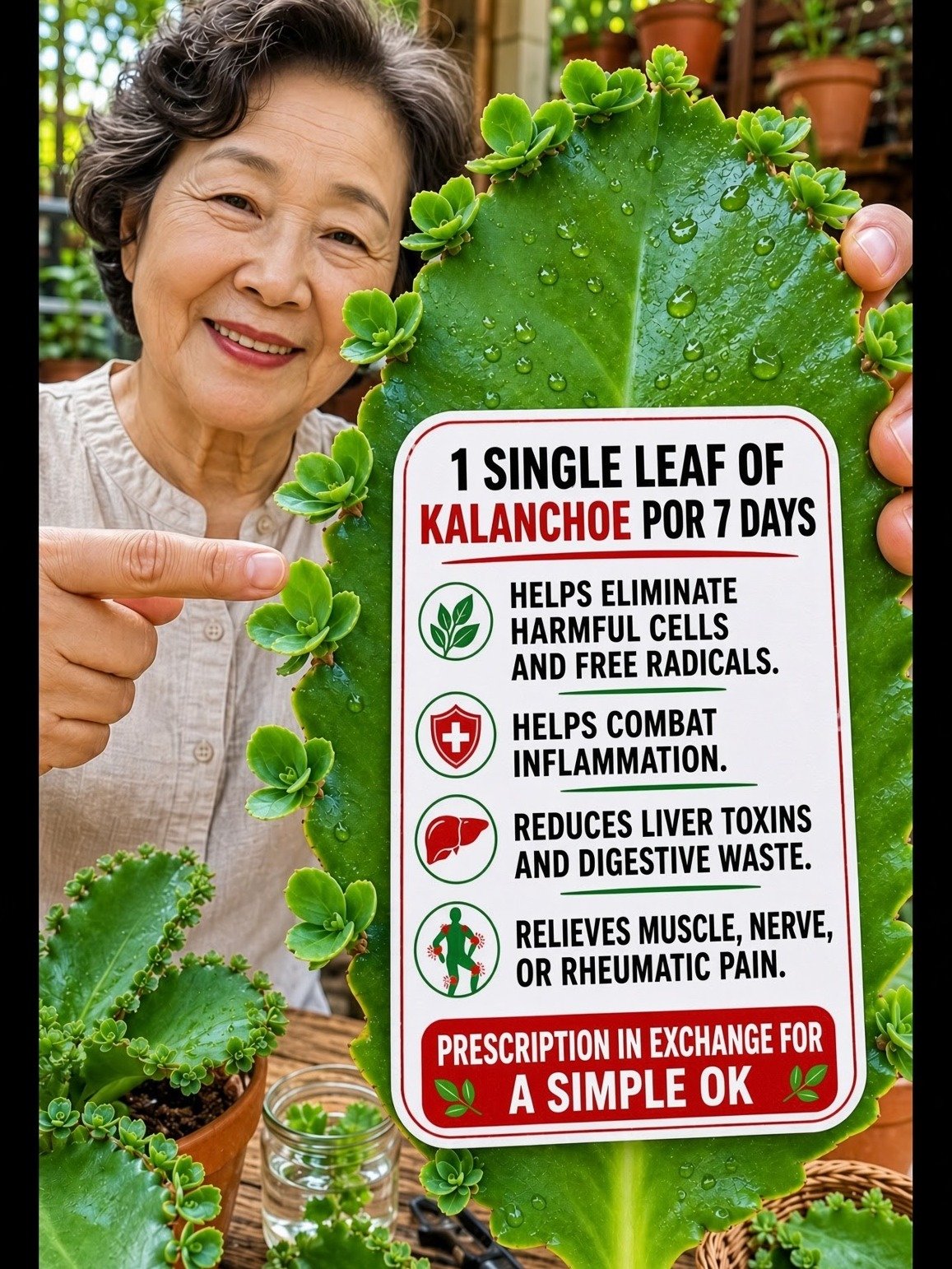
Kalanchoe represents an extensive genus of succulent plants, all belonging to the botanical family Crassulaceae.
Historically, various species from this genus have been incorporated into herbal preparations, particularly favored for topical applications and as components in diverse traditional folk remedies across different cultures.
This remarkable plant naturally produces a wealth of compounds, including:
- Flavonoids
- Phenolic compounds
- Organic acids
- Other antioxidant-related compounds
- Bufadienolides in some species
It’s important to note that the specific chemical composition can vary dramatically from one Kalanchoe species to another.
This significant variability is precisely why a casual recommendation to consume