 By admin
Meta description: Discover nopal, the edible part of the Opuntia cactus, rich in fiber and a staple in Mexican cuisine. Learn how it can be incorporated into a blood sugar-conscious diet, how to prepare it, and what precautions are useful.
Are you ready to discover a game-changing vegetable that most people in Europe are missing out on? While your plate might usually feature broccoli, spinach, or carrots, there’s an extraordinary traditional food waiting to revolutionize your diet: nopal, the tender, edible part of the prickly pear cactus.
For generations, nopal has been a culinary cornerstone in Mexico and other regions where the Opuntia cactus thrives naturally. It boasts a delicate, subtly vegetal flavor and is incredibly versatile, perfect for grilling, sautéing, or incorporating into fresh salads and other straightforward dishes.
In recent years, its nutritional profile has garnered significant attention, particularly for its impressive fiber content and its potential role in dietary approaches aimed at healthy blood sugar management.
However, it’s crucial to maintain a balanced perspective: nopal is a food, not a medical treatment for diabetes, and it should never replace prescribed medications.
🌵 What Exactly Is Nopal?
The term “nopal” refers specifically to the young, edible pads of the cactus belonging to the Opuntia genus.
These flat, green structures might resemble leaves, but botanically speaking, they are actually modified stems known as cladodes. Perfectly adapted to arid environments, these pads are remarkably efficient at retaining substantial amounts of water.
When you slice into a fresh nopal pad, you’ll likely notice a slightly viscous, gel-like substance.
This distinctive texture is partly due to its content of mucilage and soluble fibers, properties that have made nopal a fascinating subject for nutritional research.
🌿 Why Are Nopal’s Fibers So Important?
It’s a common misconception that all dietary fibers behave identically within our digestive system.
Nopal offers a beneficial blend of both soluble and insoluble fibers. Soluble fibers interact with water in the digestive tract, forming a gel-like substance that can influence the speed of digestion and the absorption of certain nutrients.
However, it’s important to clarify that simply eating a portion of cactus does not mean it will automatically lower your blood sugar.
Instead, incorporating fiber-rich vegetables like nopal into a well-rounded meal—one that also includes proteins, legumes, whole grains, and appropriate fat sources—can be a valuable component of an overall balanced eating pattern.
Fibers also offer a very practical advantage: they can significantly contribute to feelings of fullness and satiety, making your meals more satisfying and helping with appetite management.
🩸 Nopal and Blood Sugar: What Do We Really Know?
This is an area where exaggerated claims frequently circulate across the internet.
While some research has explored whether nopal consumed alongside meals can influence post-meal glycemic responses, this remains an intriguing area of study. However, current results do not demonstrate that nopal can cure diabetes, reverse the disease, or serve as a substitute for prescribed medical treatment.
A more balanced and realistic perspective is to view nopal as a nutritious, fiber-rich vegetable that can certainly be integrated into a diet mindful of blood sugar levels.
Ultimately, the entire meal context is what truly matters. Factors such as portion sizes, the quantity and type of carbohydrates consumed, physical activity, sleep patterns, medications, and individual biological differences all play a significant role in influencing blood sugar.
⚠️ If You Are Undergoing Diabetes Treatment
Individuals who rely on insulin or other blood sugar-lowering medications should absolutely not consume very large portions of nopal or concentrated cactus products as a form of self-treatment.
Significant dietary changes have the potential to impact blood sugar control.
If you monitor your blood sugar, it’s vital to continue following the plan established with your healthcare team. Always discuss any substantial dietary modifications with your doctor or a registered dietitian, especially if you have experienced episodes of hypoglycemia.
🌱 Nopal and Digestion
One of the most straightforward and compelling reasons why nopal is worth considering for your diet is its excellent fiber contribution.
Adequate fiber intake is well-known for promoting normal bowel function, and specific types of fiber can also serve as nourishment for the beneficial microorganisms residing in your gut microbiota.
However, there’s an important detail to keep in mind.
If you abruptly transition from a low-fiber diet to one that is very high in fiber, you might experience symptoms like bloating, gas, or general abdominal discomfort.
If you’re new to consuming nopal, it’s wise to begin with a modest serving and gradually increase the amount. Remember to also maintain adequate fluid intake alongside your increased fiber consumption.
❤️ Can Nopal Be Part of a Heart-Friendly Diet?
An eating pattern rich in vegetables is consistently linked with numerous advantages for cardiovascular health, and nopal can effortlessly integrate into such a heart-healthy menu.
It provides both beneficial fibers and various natural plant compounds. Research has also explored the relationship between Opuntia products and certain metabolic indicators, including cholesterol levels.
However, this absolutely does not imply that nopal can “cleanse arteries” or magically eliminate cholesterol.
No single food, consumed in isolation, possesses the power to achieve such outcomes.
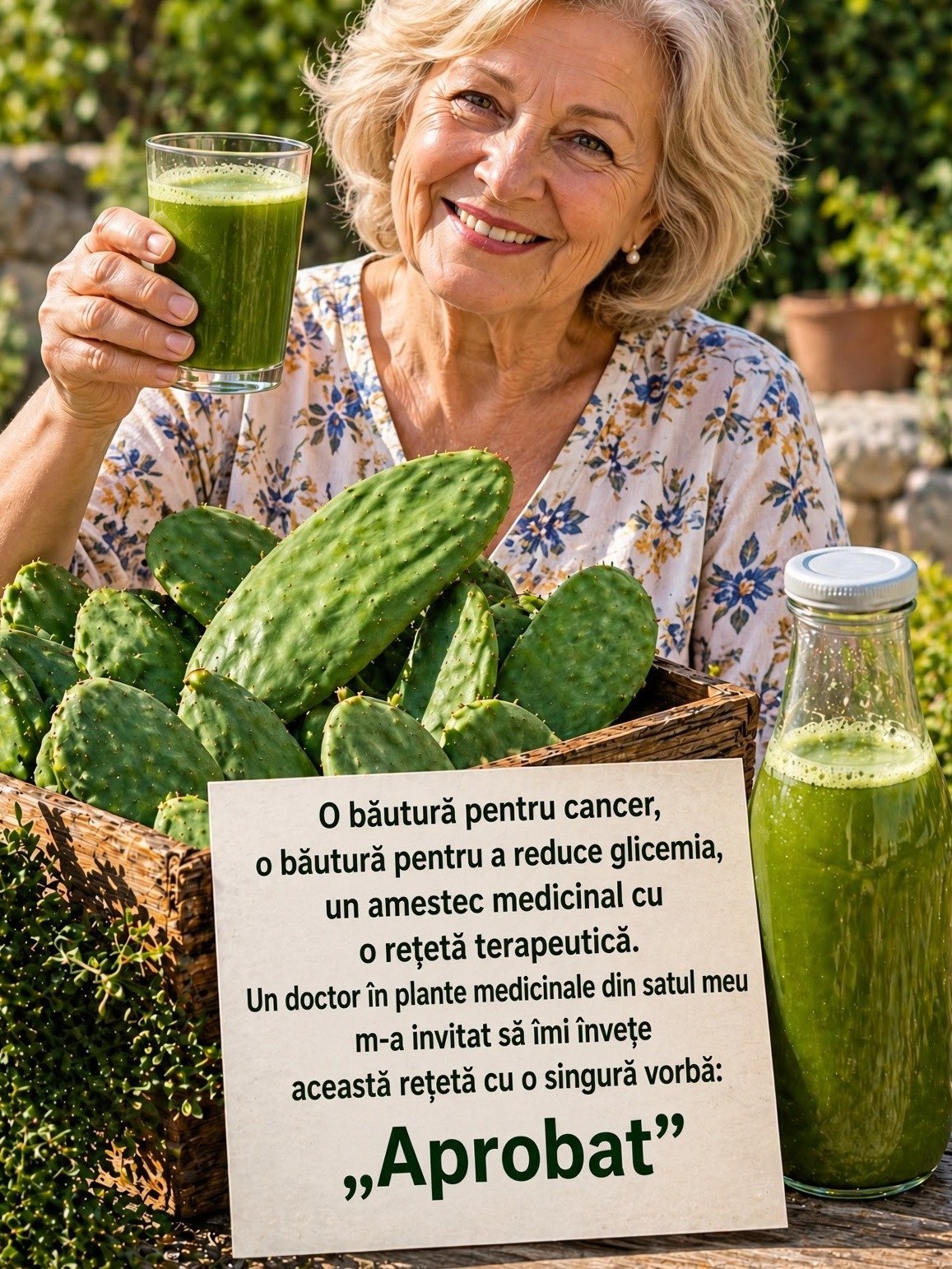
A more helpful approach is to consider it another versatile vegetable that you can rotate with other plant-based foods as part of a diverse and varied eating style.
🦴 Minerals and Nutrients for Everyday Nutrition
Depending on the specific variety, maturity, serving size, and preparation method, nopal can contribute varying amounts of essential nutrients such as calcium, magnesium, potassium, vitamin C, and a range of antioxidant compounds.
But here again, there’s no need to elevate an interesting food into a “miraculous superfood.”
For instance, robust bone health relies on a complex interplay of various factors and nutrients, including adequate intake of calcium, protein, vitamin D, and magnesium, in addition to regular physical activity.
Ultimately, dietary variety consistently proves to be more significant than focusing intensely on any single ingredient.
🛒 How to Choose Fresh Nopal?
If you’re lucky enough to find fresh nopal, look for pads that are vibrantly green, firm to the touch, relatively young, and not excessively thick.
Steer clear of any pads that appear very wrinkled, soft, dried out, or heavily damaged.
In stores specializing in Latin American products, you might find nopales already cleaned of their spines. Sometimes they are sold pre-sliced, refrigerated, or preserved in jars or cans.
If you purchase fresh cactus pads that still have spines, extreme caution is necessary during handling. Beyond the obvious large spines, the cactus can also possess incredibly fine glochids, which can easily embed themselves in the skin.
Ensure these are thoroughly removed before you begin any preparation.
🍳 A Simple Trick for a More Enjoyable Texture
The slightly viscous, somewhat slimy texture is probably the most surprising aspect for those cooking nopal for the very first time.
A simple yet effective method to address this is to slice the nopal and cook it first in a well-heated pan with very minimal liquid.
As it cooks, the nopal will release both water and its mucilaginous compounds. Continue cooking until a significant portion of this liquid has evaporated, and the pieces become tender with slightly browned edges.
After this initial step, you can then introduce other ingredients such as onions, garlic, tomatoes, bell peppers, cilantro, a squeeze of lime juice, a touch of olive oil, and seasonings to your preference.
The finished dish will offer a subtly tangy, vegetal flavor profile and an intriguing texture that stands apart from your everyday vegetables.
🍽️ Simple Ways to Introduce Nopal into Your Menu
Grilled nopal can be deliciously served as a vibrant side dish alongside other vegetables and your preferred protein source.
For a refreshing and simple salad, combine cooked and cooled nopal with diced tomatoes, onions, fresh cilantro, and a splash of lime juice.
For breakfast, sautéed nopales pair wonderfully with eggs. At lunchtime, they can be combined with beans, other vegetables, and whole grains to create a more fiber-rich and satisfying meal.
While nopal can also be incorporated into green smoothies, consuming the whole food remains a straightforward way to retain all of its natural fibers.
Furthermore, there’s no “magic” time for consumption. It’s not essential to eat nopal on an empty stomach in the morning or right before bedtime. Your overall dietary pattern and the consistency of your healthy habits are ultimately more impactful.
🌵 Nopal Shouldn’t Be Seen as a Miraculous Remedy
Perhaps one of nopal’s greatest advantages is precisely this: it doesn’t need to be viewed as an exotic cure-all, but rather simply as an interesting and valuable traditional food.
The water, fibers, minerals, and various plant compounds it contains can make it a beneficial addition to any diversified diet.
Its fiber content is particularly relevant for both digestive health and for constructing balanced meals, especially when an individual is mindful of their glycemic response.
However, claims that nopal “cures diabetes,” “cleanse arteries,” or can replace medications significantly overstate what any single food can realistically achieve.
Conclusion: A Small Change for More Variety on Your Plate
Achieving a better diet doesn’t always require discovering a secret remedy. Often, it simply means incorporating a wider variety of minimally processed plant-based foods onto your plate.
Nopal can be a delicious and fiber-rich complement to a balanced diet, especially when grilled, sautéed, or combined with other vibrant vegetables.
Give it a try for its unique taste, intriguing texture, and genuine nutritional value, rather than chasing spectacular results promised by an internet post.
SEO Title
Nopal: Fiber-Rich Cactus, Nutritional Benefits, Blood Sugar, and Preparation Methods
Meta Description
Discover nopal, the edible, fiber-rich cactus. Learn how it can be included in a balanced diet, its connection to blood sugar, and how you can easily prepare it at home.
SEO Keywords
nopal benefits, edible cactus, nopal and blood sugar, nopal for diabetes, Opuntia cactus, fiber-rich foods, nopales recipes, nopal nutrition, vegetables for balanced diet, fiber and blood sugar
Medical Note: This article is for general educational purposes only and is not intended for the diagnosis, prevention, or treatment of diabetes or any other medical conditions. Individuals using blood sugar-lowering medications or managing a chronic illness should discuss significant dietary changes with a qualified healthcare professional.