 By admin
 Have you seen those viral videos claiming that simple herbal leaf juices can cure red, irritated, or watery eyes? While the allure of a quick, “natural” home remedy is strong, applying homemade concoctions directly to your eyes is a dangerous gamble you shouldn’t take.
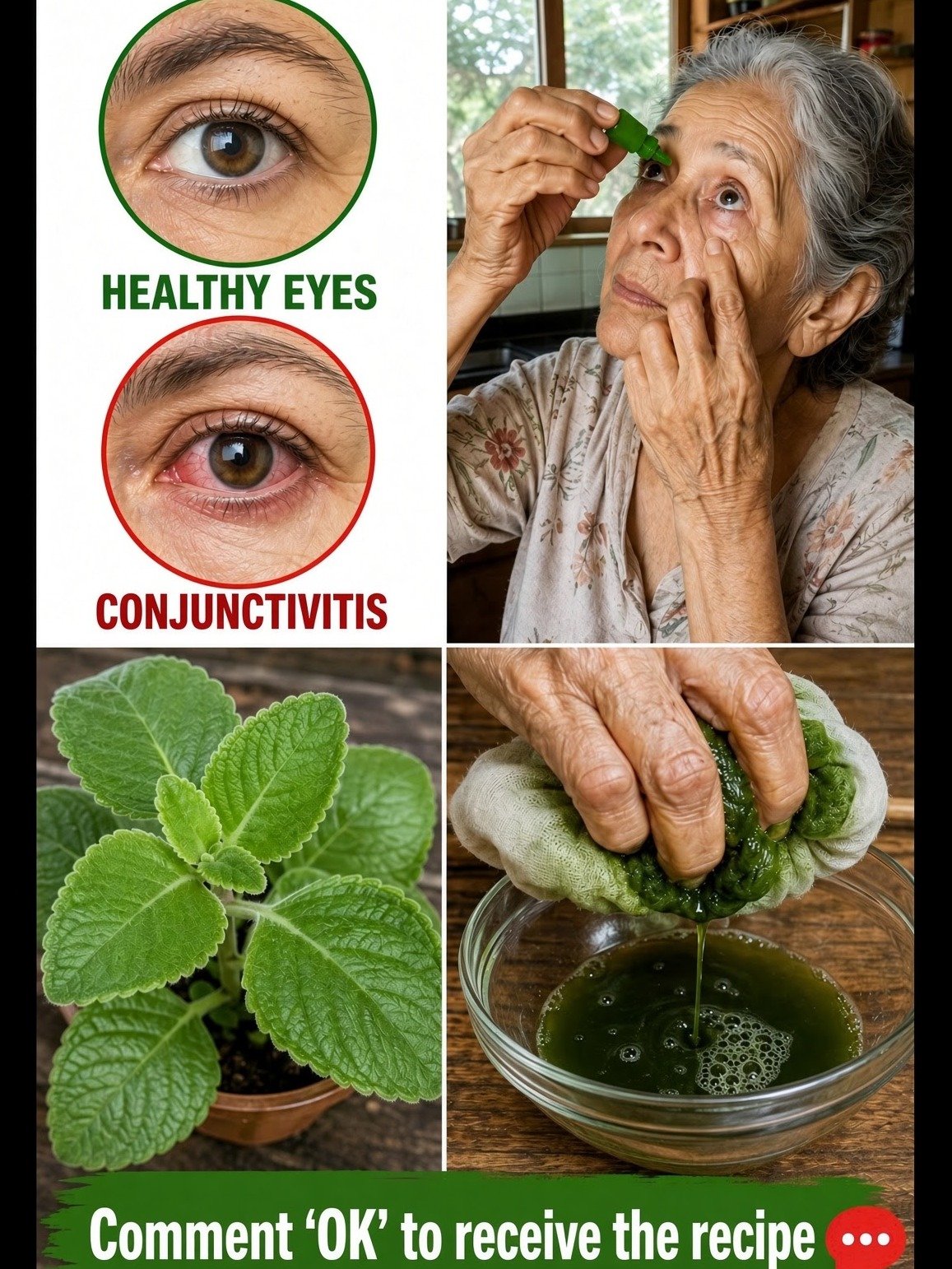
Social media is currently buzzing with imagery showing herbal extracts being dropped into eyes to treat conditions like conjunctivitis. This trend has left many wondering if they should ditch modern medicine for these botanical alternatives. However, the reality behind these DIY health hacks is far more serious than a simple TikTok trend might suggest.
Here is the critical safety rule you must never ignore: Never apply homemade plant juices or extracts directly into your eyes unless a medical professional has certified them as sterile and ophthalmically safe. Even if a plant is perfectly fine for your skin or digestion, it can harbor dangerous bacteria, fungi, or microscopic particles that could lead to severe eye irritation or permanent vision damage.
So, what can we actually learn from these traditional practices without putting our sight at risk?
Conjunctivitis, widely known as “pink eye,” refers to the inflammation of the conjunctiva—that delicate, transparent membrane that lines your eyelids and covers the whites of your eyes.
The classic signs you should look out for include:
- Red or pink discoloration in one or both eyes
- Excessive watering
- Persistent itching or burning sensations
- A gritty, “sand-in-the-eye” feeling
- Noticeable swelling of the lids
- Increased sensitivity to light
- Crusting or thick discharge around the lashes
Conjunctivitis is not a one-size-fits-all condition; it can be triggered by bacterial or viral infections, allergies, or exposure to harsh environmental irritants. Because the underlying cause dictates the treatment, assuming that one natural remedy fits all is a risky mistake.
The Allure of Herbal Remedies in Eye Care
Plants have served as the foundation of medicine for centuries, and many herbs are packed with powerful bioactive compounds like flavonoids and polyphenols. These elements often show impressive antimicrobial or antioxidant properties when analyzed in a controlled lab setting.
The lush, green leaves featured in these online tutorials might look like potent medicinal herbs, but a simple photo is never a substitute for professional botanical identification or clinical validation. Attempting to use a plant for medicinal purposes based on an internet image is a recipe for disaster.
The eye is arguably the most sensitive organ in your body. A substance that causes zero harm when eaten or applied to your arm can cause catastrophic damage when introduced to the ocular surface.
Is It Ever Safe to Use Homemade Leaf Juice?
Absolutely not.
Freshly mashed leaves, herbal teas, and DIY extracts are never sterile. By introducing them to your eyes, you are essentially inviting bacteria, mold, and plant debris directly into a sensitive environment. This can escalate a minor irritation into a full-blown infection or even a corneal ulcer.
Even if a traditional folklore recipe insists on the benefits of leaf juice, you must ignore it unless you have clear, professional medical advice. It is best to appreciate these herbs as part of cultural wellness history rather than as medical treatments for your eyes.
Safe, Proven Ways to Soothe Eye Irritation
If your eyes are feeling uncomfortable, stick to these tried-and-true, safe methods:
1. Try a Clean Cold Compress
Gently place a chilled, damp, and clean washcloth over your closed eyelids to reduce inflammation and provide immediate, soothing relief.
2. Keep Your Hands Off
Resist the urge to rub your eyes. Rubbing not only worsens the inflammation but can easily spread infection from one eye to the other.
3. Practice Strict Hand Hygiene
Wash your hands thoroughly and frequently, especially if you suspect your pink eye might be contagious.
4. Avoid Sharing Personal Items
Keep your towels, pillowcases, cosmetics, and eyewear strictly to yourself to prevent the spread of bacteria.
5. Use Sterile Eye Drops
When in doubt, use over-the-counter artificial tears or consult with a pharmacist to find the right, sterile product for your specific irritation.
The Truth About That Viral Green Extract
While those videos showing the extraction of dark green plant liquid look fascinating, they are misleading. Just because a plant shows biological potential in a petri dish does not mean it is safe for your eyes.
There is a massive, life-altering gap between a plant that contains beneficial molecules and a sterile, pharmacy-grade ophthalmic solution. When it comes to your sight, that gap is the difference between health and permanent injury.
Natural Doesn’t Always Mean Harmless
One of the most dangerous myths is that “natural” equals “safe.” Many plants contain toxic alkaloids or allergens that are perfectly fine to touch but harmful to the mucous membranes of the eye. Homemade preparations lack the rigorous sterilization and quality control standards required for medical-grade eye treatments.
For this reason, you should strictly avoid putting these items in your eyes:
- Raw plant juices
- Homemade herbal teas
- Essential oils
- Raw honey
- Unsterilized water
- Any non-sterile DIY extract
When to See an Eye Doctor Immediately
Minor irritation often resolves on its own, but you need to see a professional if you experience:
- Intense or sharp eye pain
- Any changes in your vision or blurriness
- Extreme light sensitivity
- Severe or worsening swelling
- The sensation that a foreign object is stuck in your eye
- Recent injury or chemical exposure
- Thick, persistent discharge
- Symptoms that continue to worsen
- Chronic or recurring redness
Contact lens wearers must be especially vigilant, as infections in contact users can progress to severe complications with alarming speed.
Daily Habits for Healthy Eyes
You don’t need risky home remedies to maintain great eye health. Focus on these simple, science-backed habits:
Eat for Your Eyes
Prioritize a diet rich in leafy greens, colorful fruits, fish, and nuts to provide the essential nutrients your eyes crave.
Wear Quality Sunglasses
Protect your eyes from damaging UV radiation by investing in high-quality sunglasses whenever you are outdoors.
Take Screen Breaks
Practice the 20-20-20 rule: every 20 minutes, look at something 20 feet away for 20 seconds to reduce digital eye strain.
Stay Hydrated
Drinking plenty of water is essential for maintaining natural tear production and overall eye lubrication.
Never Sleep in Contacts
Unless specifically cleared by your doctor, never leave your contact lenses in overnight to avoid oxygen deprivation and infection risks.
Can Herbal Remedies Replace Professional Care?
No. There is currently zero clinical evidence to support using homemade herbal extracts to treat conjunctivitis. Managing eye infections requires precision, and misidentifying the cause can lead to serious long-term complications.
Final Thoughts
While exploring traditional herbal wellness is fascinating, your eyes are not a testing ground for DIY science experiments. That green liquid in the viral video might look natural, but it is not a safe substitute for proper, sterile medicine.
If you’re dealing with red, irritated eyes, play it safe: use a cold compress, maintain high hygiene standards, and visit your eye doctor if the symptoms don’t clear up quickly. Your vision is irreplaceable—don’t risk it on unproven, unsterile home remedies.