 By admin
Kalanchoe is a striking succulent celebrated for its thick, fleshy leaves and its remarkable ability to thrive in even the harshest, driest environments.
For centuries, various cultures have experimented with Kalanchoe in traditional medicine. The plant has piqued scientific curiosity because its leaves are packed with bioactive compounds that researchers are currently studying for potential antioxidant and therapeutic effects.
However, it is crucial to understand that historical folklore is not a substitute for clinical evidence. Kalanchoe is not a medically validated cure for cancer, diabetes, infection, or chronic inflammation.
So, what exactly is the truth behind this mysterious succulent?
Let’s dive deep into the world of Kalanchoe, exploring its traditional roots, the actual science behind its properties, and the vital safety warnings you need to know before bringing one into your home.
What Is Kalanchoe?
Kalanchoe represents a massive genus of succulent plants nestled within the Crassulaceae family.
These plants are staples in modern home décor because they are incredibly low-maintenance and highly resilient to drought.
Their signature thick, fleshy leaves serve as biological reservoirs, storing precious water to survive arid conditions.
A standout feature of many Kalanchoe species is their ability to sprout tiny “plantlets” along the leaf margins, which fall off and propagate into new plants with ease.
This unique biological reproduction strategy has made them a favorite among both casual hobbyists and professional gardeners.
Why Has Kalanchoe Attracted Attention?
The leaves of Kalanchoe are treasure troves of naturally occurring compounds, including flavonoids, phenolics, and a variety of other potent phytochemicals.
In laboratory settings, scientists have analyzed extracts from these plants to see if they hold promise for:
-
Antioxidant activity
-
Anti-inflammatory potential
-
Antimicrobial activity
-
Other significant biological effects
It is important to remember that successful results in a petri dish or animal trial do not automatically translate to safe or effective human medicine.
Factors like the specific species, the method of extraction, and the dosage used play a massive role in how these plants interact with the human body.
Traditional Uses of Kalanchoe
Across the globe, different cultures have integrated various Kalanchoe species into their traditional healing practices.
Depending on the specific region and species used, leaf preparations have historically been applied to address:
-
Skin irritations
-
Minor physical discomfort
-
Inflammatory issues
-
Respiratory ailments
-
General health support
While these practices offer a fascinating glimpse into history, they remain part of cultural tradition rather than established modern medical science.
Kalanchoe and Antioxidants
The scientific buzz surrounding Kalanchoe is largely due to its unique chemical profile.
Specific species are rich in flavonoids and phenolics, which have proven antioxidant power when tested in labs.
Antioxidants act as defenders, helping to stabilize reactive molecules that can cause cellular damage.
While eating a diet rich in natural antioxidants is a cornerstone of good health, consuming Kalanchoe is not the same as eating a nutrient-dense diet and may not yield the same protective results.
Kalanchoe and Inflammation
Inflammation serves as the body’s natural defense mechanism, but when it goes unchecked, it can cause real damage.
While some Kalanchoe extracts have shown anti-inflammatory properties in experimental settings, there is simply no clinical evidence to support using it as a primary treatment for chronic inflammatory diseases.
If you are suffering from chronic pain or swelling, please focus on identifying the medical root cause rather than attempting to self-treat with unproven herbal remedies.
Can Kalanchoe Be Used for Skin Care?
Topical application is one of the most common traditional uses for Kalanchoe due to the cooling, water-rich nature of its leaves.
However, putting raw, unprocessed plant material directly onto your skin is not without significant risk.
Before you even consider a topical application, keep these rules in mind:
-
Ensure you have correctly identified the specific Kalanchoe species.
-
Never apply it to open or deep wounds.
-
Keep it far away from your eyes.
-
Stop immediately if you notice redness, burning, or signs of an allergic reaction.
-
Seek professional medical help for any skin conditions that won’t clear up.
Rashes, infections, and unexplained lesions are medical matters that require professional diagnosis, not garden-variety experiments.
Can You Eat Kalanchoe Leaves?
This is the most dangerous misconception regarding this plant: Many Kalanchoe species are not safe for human consumption.
Certain varieties contain bufadienolides, which are potent cardiac-active compounds that can be toxic—or even fatal—if ingested in high enough quantities.
Because of this, you should never treat Kalanchoe as a food source or attempt to create homemade extracts for internal use.
Furthermore, because many species look nearly identical to the untrained eye, the risk of misidentification is incredibly high.
Kalanchoe and Traditional Herbal Tea
You may see social media posts suggesting you brew Kalanchoe leaves into a health tonic or tea.
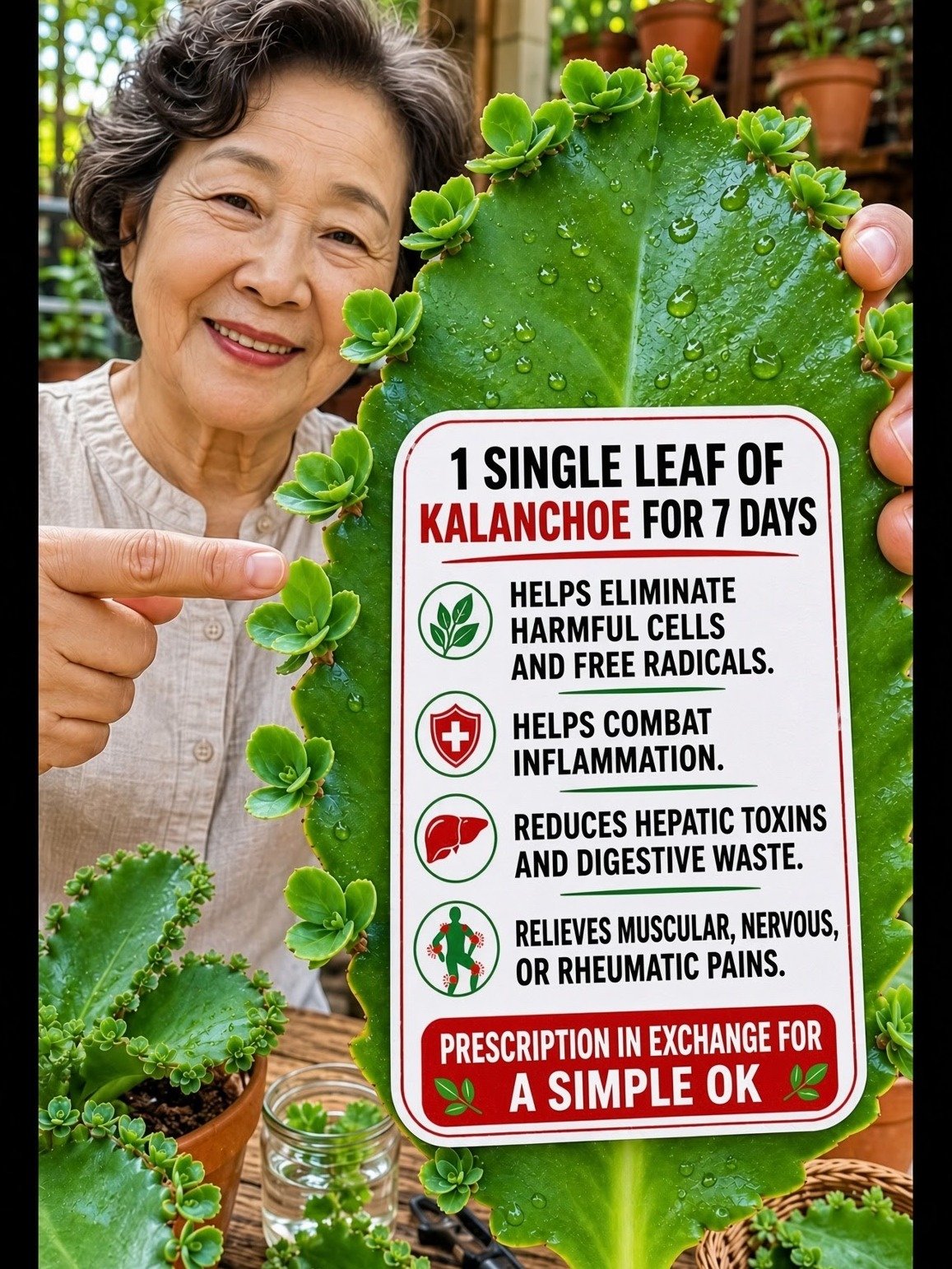
Be extremely wary of this advice.
Boiling the leaves does not guarantee the destruction of toxic compounds, and because the chemical content varies wildly between species, you have no way of knowing how much of a toxic substance you might be consuming.
Kalanchoe is not a culinary herb, and it should never be treated like mint or basil.
If you are genuinely interested in the medicinal use of this plant, consult a licensed healthcare professional or a certified herbalist who specializes in botany.
Important Safety Information
The most dangerous trap in the world of natural health is the assumption that “natural” is synonymous with “safe.”
Kalanchoe is a perfect example of why precise identification and dosage are matters of life and death.
Avoid Self-Treating Serious Diseases
Kalanchoe is not a replacement for standard, evidence-based medicine, especially for:
-
Cancer
-
Diabetes
-
High blood pressure
-
Heart issues
-
Lung disease
-
Serious infections
-
Chronic inflammation
Always stick to the treatment plan prescribed by your doctor.
Pregnancy and Breastfeeding
If you are pregnant or nursing, stay away from Kalanchoe preparations. These compounds have not been proven safe for fetal development or infants.
Children
Children are significantly more susceptible to plant-based toxins than adults. Never administer Kalanchoe to a child without explicit guidance from a pediatrician.
Medication Interactions
Because Kalanchoe contains biologically active compounds, it can interfere with how your body processes prescription medications. Always talk to your pharmacist before introducing such herbs into your routine.
How to Grow Kalanchoe at Home
While you should avoid consuming Kalanchoe, it remains an excellent choice for a low-maintenance, beautiful houseplant.
To keep your Kalanchoe healthy, provide it with:
-
Plenty of bright, indirect sunlight
-
Well-draining, high-quality soil
-
Moderate watering intervals
-
Pots with excellent drainage holes
-
Protection against sitting in standing water
The best way to kill a Kalanchoe is to love it too much with the watering can. Always let the soil dry out completely between waterings.
How to Identify Kalanchoe
Most Kalanchoes are easily recognized by their thick, succulent stems and fleshy leaves.
Variations exist, with some species having smooth edges and others displaying small “babies” along the leaf margins.
They bloom in a vibrant array of colors, including:
-
Pink, red, orange, yellow, and white.
However, looks can be deceiving. Never rely on color or shape alone to determine if a plant is safe to touch or eat.
Kalanchoe vs. Common Culinary Herbs
It is vital to draw a line between culinary herbs and ornamental succulents.
We know parsley, basil, and rosemary are safe and edible. Kalanchoe is an ornamental plant that can be toxic.
Do not be fooled into adding it to your morning smoothie or salad just because it’s a “plant.”
What Does the Research Actually Tell Us?
Research into Kalanchoe is still in its infancy.
While scientists have uncovered interesting compounds in a lab, there is zero evidence to suggest that consuming the plant will prevent or cure human diseases.
Be very skeptical of viral social media posts claiming “miracle cures.”
True science requires years of human clinical trials to establish safety and dosage—not just a single laboratory study.
Frequently Asked Questions
Is Kalanchoe a medicinal plant?
It has been used in traditional medicine for years, but that does not make it a clinically proven medicine.
Can Kalanchoe cure cancer?
No. There is absolutely no evidence that Kalanchoe cures cancer. Do not abandon your medical treatment in favor of unverified herbal alternatives.
Can you drink Kalanchoe tea?
No. Because some species are potentially toxic, it should never be consumed as a tea or wellness drink.
Can Kalanchoe be used on the skin?
It has traditional topical uses, but it can easily irritate the skin and should not replace proper medical wound care.
Is Kalanchoe safe for everyone?
Absolutely not. The safety depends entirely on the species and the individual’s health profile.
Final Thoughts
Kalanchoe is a stunning, easy-to-care-for succulent that brightens up any room.
While its unique biological makeup makes it an interesting subject for future research, it is not a harmless herb you should be playing with in your kitchen.
Due to the risk of toxicity in many species, it is best to keep Kalanchoe as a decorative plant and leave the medicine to the professionals.
Nature is beautiful and fascinating—but it isn’t always safe to ingest.
This article is for general educational purposes only and is not intended to diagnose, treat, cure, or prevent any disease. Do not consume Kalanchoe or use concentrated preparations without appropriate professional guidance.