 By admin
 Meta description: Discover if baking soda really helps improve dark spots, wrinkles, and dark circles, how to use it safely, and what skin precautions to take.
You’ve probably seen the viral hacks: a simple box of baking soda, touted as the ultimate DIY solution for everything from stubborn dark spots to fine lines and tired under-eye circles. It promises smoother, brighter skin, often with just a few drops of water. But before you rush to your pantry, let’s uncover the real truth: does this popular kitchen staple actually deliver on its promises for dark spots, wrinkles, and under-eye circles, and more importantly, is it truly safe for your delicate facial skin?
While baking soda certainly has its place in various household cleaning routines, the undeniable fact is that it’s not a miracle treatment for your skin. This common ingredient is actually an alkaline substance, meaning it can severely disrupt your skin’s natural pH balance. The consequence? Potential irritation, uncomfortable redness, excessive dryness, and heightened sensitivity, especially if you have naturally delicate skin.
Can Baking Soda Really Erase Dark Spots?
Many individuals are convinced that baking soda can lighten dark spots due to its perceived exfoliating properties. When applied as a paste, it can indeed remove superficial dead skin cells, temporarily creating the sensation of cleaner, more uniform skin. However, this effect is often short-lived and doesn’t address the root cause.
Crucially, this temporary cosmetic improvement does not mean it effectively treats the underlying cause of blemishes. Skin discolorations, or dark spots, can emerge from various factors like excessive sun exposure, post-acne inflammation, hormonal shifts, natural aging processes, or other inflammatory conditions. In these complex scenarios, baking soda simply cannot penetrate deeply enough to provide a genuine solution. In fact, for some skin types, frequent application can even exacerbate the issue, leading to further irritation and dangerously increasing your skin’s sensitivity to damaging sun rays.
What About Wrinkles and Fine Lines?
The scientific community currently lacks any robust evidence to suggest that baking soda genuinely reduces the appearance of wrinkles or fine lines. Any perceived improvement is likely a transient visual effect stemming from its exfoliating action, which can momentarily leave the skin feeling softer and smoother to the touch. It’s important to remember that wrinkles are fundamentally linked to the natural loss of collagen, the inevitable aging process, and cumulative sun exposure over many years.
To effectively combat wrinkles, a more strategic approach is required. This typically involves consistent hydration, diligent daily application of broad-spectrum sunscreen, and the careful use of proven cosmetic ingredients such as potent vitamin C, deeply moisturizing hyaluronic acid, and effective retinoids. Always seek professional guidance from a dermatologist when incorporating these powerful actives into your routine.
Is Baking Soda Effective for Dark Circles Under the Eyes?
Among the many promises circulating online, using baking soda for dark circles is one of the most widespread, yet simultaneously one of the riskiest. The delicate skin around the eyes is exceptionally thin, fragile, and sensitive. For this reason, applying baking soda directly to your under-eye circles is strongly discouraged. Doing so can cause stinging, severe irritation, and even lead to uncomfortable peeling.
Dark circles beneath the eyes are often influenced by a combination of genetics, insufficient sleep, fluid retention, allergic reactions, or hyperpigmentation. To truly improve their appearance, more effective strategies typically include prioritizing adequate sleep, applying soothing cold compresses, ensuring proper sun protection, and utilizing specialized products specifically formulated for the delicate eye area.
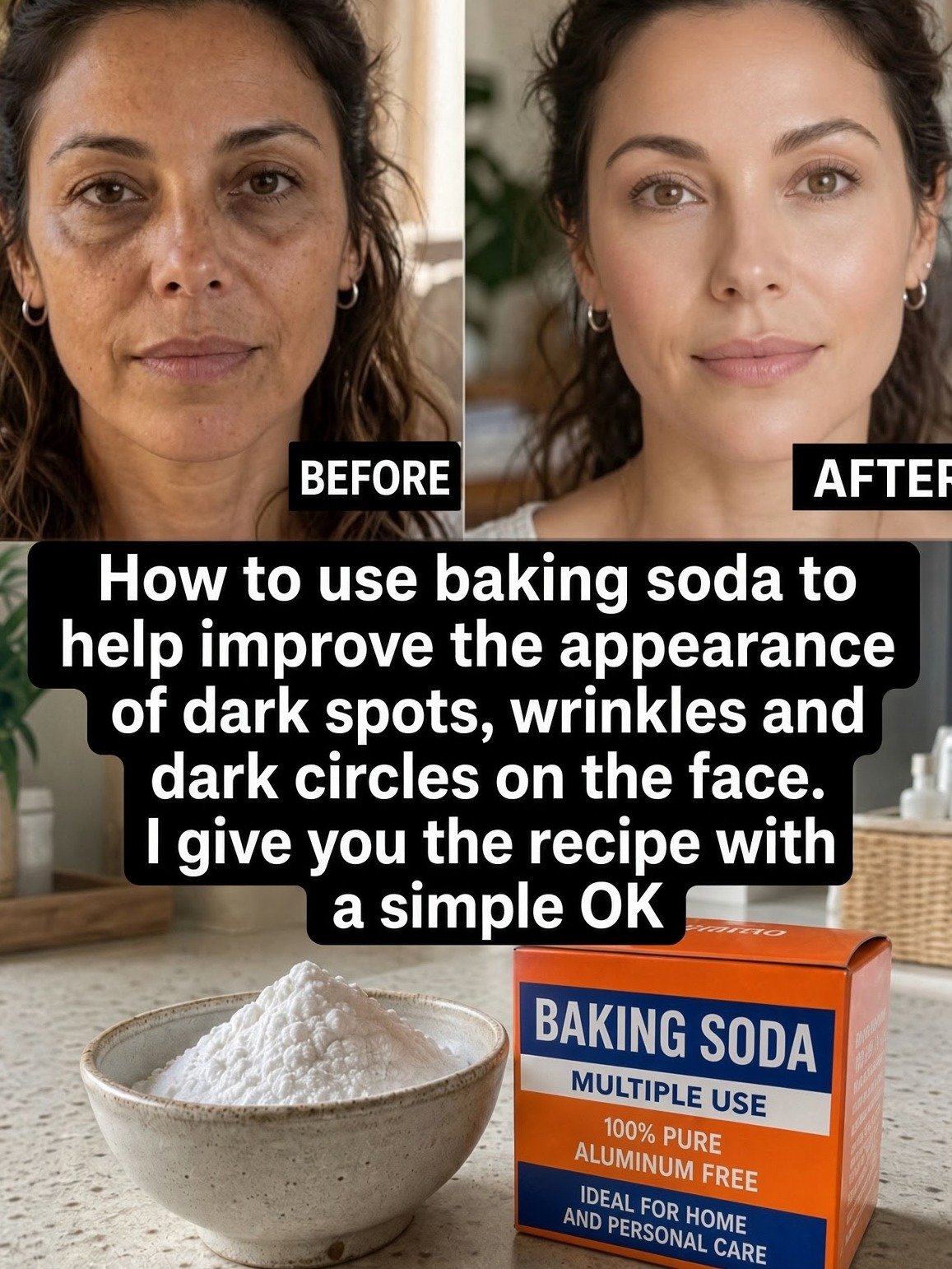
The Popular Homemade Baking Soda Recipe
A widely shared recipe across social media platforms for skin care involves these simple steps:
Ingredients
- 1 teaspoon of baking soda
- A few drops of filtered water
How to Prepare and Apply
Combine the ingredients until a light, consistent paste is formed. When applying, typically target only small, specific areas of the face, allowing it to sit for just a few minutes before thoroughly rinsing it off.
Crucial Safety Notice
Despite its widespread popularity, it’s vital to understand that this recipe is not suitable for every skin type. Individuals with sensitive skin, rosacea, active or inflamed acne, open wounds, dermatitis, or known allergies should absolutely refrain from using it. Furthermore, it should never be used daily, nor should it ever be applied near the delicate eye area.
Should you still choose to experiment with this remedy, the most cautious approach is to first perform a patch test on a small, inconspicuous area of your skin. Discontinue use immediately if you experience any burning, itching, or redness.
Strategies for Safer Baking Soda Use (If You Must)
If you are still contemplating using baking soda on your face, adhere to these fundamental precautions to minimize potential harm:
- Apply very sparingly;
- Avoid harsh scrubbing or excessive friction;
- Steer clear of the delicate eye area entirely;
- Never apply to skin that is irritated, broken, or damaged.
- Rinse your face thoroughly after use;
- Follow up immediately with a hydrating moisturizer;
- Ensure you apply sunscreen diligently the following day.
While these steps can help mitigate the risk of irritation, it’s important to understand that they cannot entirely eliminate the possibility of unwanted side effects from using baking soda on your skin.
Superior Alternatives for Radiant Skin
If your true objective is to achieve genuine improvement in blemishes, fine lines, and under-eye circles, there are significantly safer and far more effective options available than relying on baking soda. These include:
- Gentle daily cleansing with a pH-balanced facial cleanser;
- Consistent daily hydration;
- Non-negotiable daily use of broad-spectrum sunscreen;
- Vitamin C serums for enhanced radiance and antioxidant protection;
- Niacinamide to effectively even out skin tone and reduce redness;
- Hyaluronic acid for deep, lasting hydration and plumpness;
- Specific creams formulated for the delicate eye area.
For persistent blemishes, deeper wrinkles, or any significant skin concerns, the most prudent and effective course of action is always to consult a qualified dermatologist.
The Final Verdict
While baking soda isn’t inherently an enemy to your skin, it is undoubtedly far from being a miraculous beauty solution. It might offer a fleeting, superficial exfoliation, but it does not effectively treat dark spots, diminish wrinkles, or resolve dark circles in any meaningful way. Furthermore, improper application carries a significant risk of irritating your face and exacerbating skin sensitivity, leading to more problems than solutions.
If your goal is truly healthier, more beautiful, and resilient skin, your efforts are far better invested in consistent, dermatologist-recommended skincare routines, deep hydration, and diligent sun protection, rather than relying on quick-fix homemade remedies. While DIY solutions can be tempting, your skin’s safety and long-term health should always be your absolute top priority.