 By admin
 You’ve likely seen the viral headlines claiming apple seeds are a secret, natural weapon against cancer. But before you start tossing them into your morning blender, it’s time to separate dangerous internet myths from cold, hard science.
While some corners of the internet swear these seeds hold a miraculous cure, others warn that eating them could actually be toxic. The truth? It’s far more nuanced than a catchy social media post would have you believe.
Apple seeds contain a compound known as amygdalin. When this substance is processed by your body, it can release hydrogen cyanide. While researchers have studied amygdalin for its potential impact on cancer cells, there is zero clinical evidence proving it can safely or effectively treat cancer in humans. Let’s dig into the facts.
What Is Amygdalin?
Amygdalin is a naturally occurring chemical compound found within the pits and seeds of various plants and fruits.
It is commonly present in:
-
Apple seeds
-
Apricot kernels
-
Peach pits
-
Plum pits
-
Various other fruit seeds
Amygdalin gained notoriety after being marketed as an alternative cancer remedy under the names “Laetrile” or “vitamin B17.”
It is crucial to understand that “vitamin B17” is not a real, essential vitamin required by the human body.
According to the National Cancer Institute, despite extensive studies, there is no proof that amygdalin is an effective cancer treatment in human clinical trials.
Do Apple Seeds Really Contain Cyanide?
It’s a misconception that apple seeds are just bags of pre-formed cyanide.
They actually contain amygdalin, which only releases hydrogen cyanide once it is broken down by the body’s metabolic processes.
This distinction is vital.
When an apple seed is swallowed whole, the hard outer shell keeps the compound contained. However, if you crush, chew, or grind the seeds, you drastically increase the likelihood of these compounds being released into your system.
Science warns that concentrated exposure to amygdalin carries a real risk of cyanide toxicity.
Can Apple Seeds Cure Cancer?
There is no reliable clinical data to suggest that apple seeds possess any cancer-curing abilities.
The rumor persists largely due to the early, sensationalized research surrounding Laetrile.
While some laboratory experiments showed interesting biological responses in a petri dish, it is a massive mistake to equate that with a safe, effective medical treatment for humans.
In a clinical trial tracking 178 patients, researchers found that amygdalin provided no benefit—it didn’t cure, stabilize, or shrink cancers, nor did it improve patient survival rates. Conversely, some participants suffered from cyanide poisoning.
This is precisely why you should be extremely skeptical of any claims promoting apple seeds as a “natural cure.”
Why Did People Think Amygdalin Could Fight Cancer?
The entire theory hinged on the chemical metabolism of the compound.
Proponents of Laetrile theorized that amygdalin would target cancer cells specifically to release cyanide and kill them off.
This theory sparked global research efforts and initial intrigue.
Ultimately, the human data failed to support the hypothesis. The National Cancer Institute has formally concluded that there is no scientific evidence to back Laetrile or amygdalin as a viable cancer treatment.
What Did Clinical Research Find?
The definitive study involving 178 cancer patients remains one of the most cited pieces of evidence.
The results were clear: the treatment did not stop the disease or improve quality of life. Even worse, the researchers observed toxic side effects related to cyanide exposure in the participants.
The study concluded that the risks of toxicity far outweigh any nonexistent benefit. This serves as a cautionary tale: lab results are just the beginning, not the final word, and they must be validated through rigorous human testing.
Are Apple Seeds Dangerous?
The danger is directly tied to how many you consume and how you prepare them.
Accidentally swallowing a few whole seeds is usually harmless, but purposefully ingesting a large volume of crushed or ground seeds is an entirely different, risky scenario.
The concern remains the potential for cyanide poisoning. Since there is zero proven health benefit to eating apple seeds, there is simply no reason to take the risk.
Should You Remove Apple Seeds?
Yes. It’s a simple habit to get into.
Enjoy the crisp flesh of the apple and discard the core. The apple itself is packed with nutrients that are scientifically proven to be good for you; the seeds are not.
What About Apple Seeds in Smoothies?
You’ve likely seen viral recipes that suggest blending the entire apple, core and all.
There is absolutely no nutritional justification for this practice.
Blending effectively pulverizes the seeds, releasing their internal compounds and increasing your exposure to potentially toxic chemicals. Always core your apples before blending.
What About “Vitamin B17”?
The most persistent myth is that amygdalin is “vitamin B17.”
Let’s be clear: this is a marketing term, not a scientific reality.
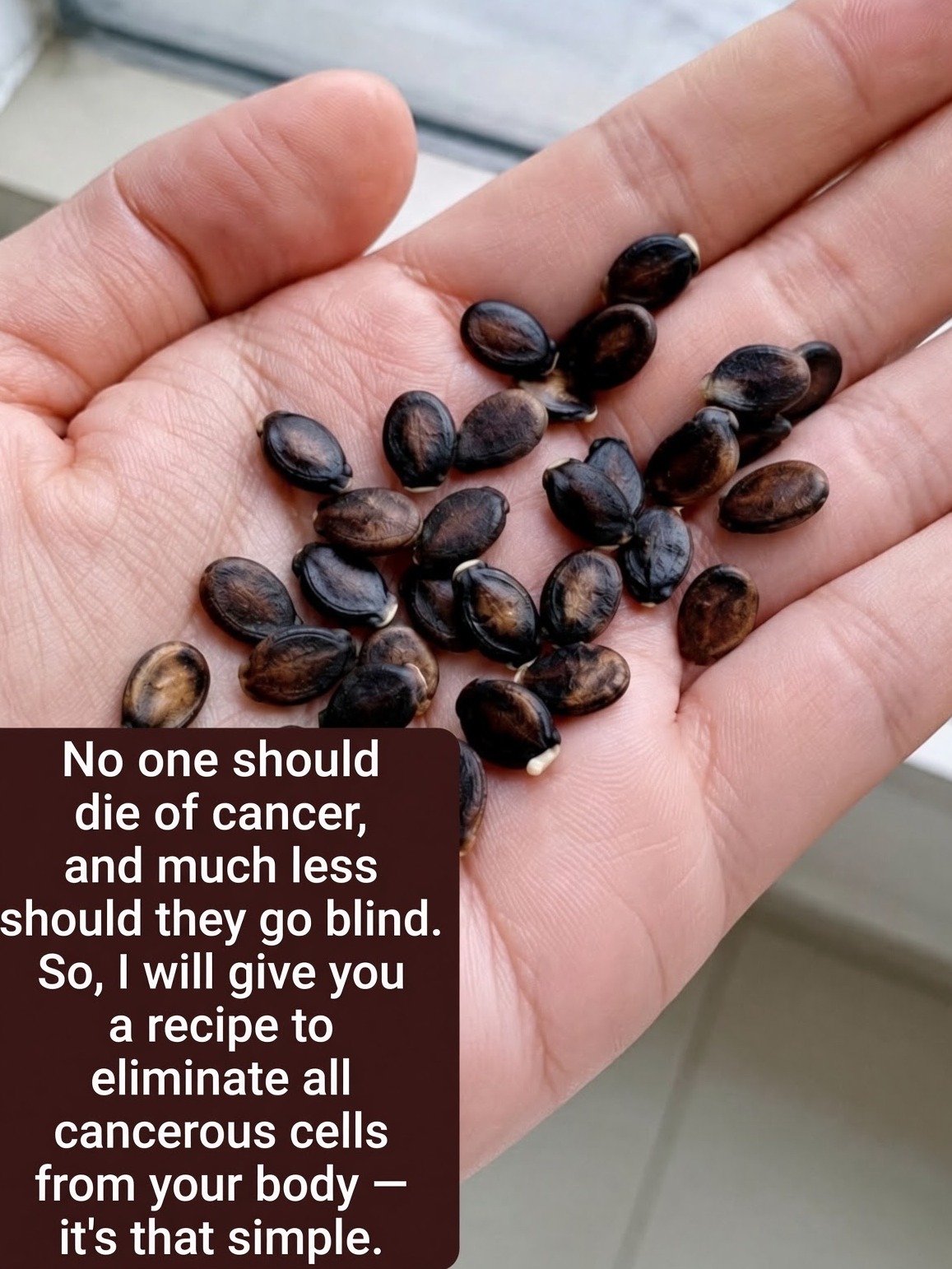
There is no such thing as vitamin B17. Labeling it as a vitamin is a clever way for alternative-health marketers to make a non-essential, potentially dangerous compound sound like a necessary nutrient.
Why Laboratory Studies Can Be Misleading
In a lab, scientists can make many compounds look powerful. A substance might kill cancer cells in a dish or change cell signaling, but that does not translate to human health.
Lab experiments often use high, artificial concentrations that you could never replicate by eating a fruit. Furthermore, the human digestive system is far too complex for simple lab results to predict outcomes.
Clinical trials are the only way to prove safety and efficacy.
Natural Does Not Always Mean Safe
Apple seeds are the perfect example of why “natural” doesn’t equal “harmless.”
Amygdalin is a natural occurrence in nature, but its byproduct, hydrogen cyanide, is a potent toxin. The evidence remains firm: there is no confirmed anticancer benefit for humans, only documented safety concerns.
What Are the Symptoms of Cyanide Exposure?
Cyanide toxicity is a medical emergency. Watch for these symptoms:
-
Headaches
-
Dizziness
-
Feeling sick or vomiting
-
Weakness
-
Confusion
-
Trouble breathing
-
Irregular heart rate
-
Loss of consciousness
If you suspect someone has consumed a large amount of crushed seeds and shows these symptoms, seek immediate emergency care.
Should Cancer Patients Try Apple Seeds?
Absolutely not.
Never replace proven medical treatments—such as chemotherapy, immunotherapy, or surgery—with unproven home remedies. Always consult your oncology team regarding your treatment plan and diet.
What Can You Eat Instead?
If you want the health benefits of apples, stick to the fruit itself.
Apples are excellent sources of:
-
Dietary fiber
-
Vitamin C
-
Healthy polyphenols
-
Hydration
-
Natural energy
Enjoy them sliced with yogurt, tossed in a salad, or baked, just remember to leave the seeds out.
Apple Seeds vs. Other Healthy Seeds
If you want to add healthy seeds to your diet, choose those that are actually backed by nutritional science:
Chia Seeds
Packed with fiber, minerals, and healthy omega-3 fatty acids.
Flaxseeds
A great source of fiber and plant-based ALA omega-3s.
Pumpkin Seeds
Rich in protein, magnesium, and healthy fats.
Sunflower Seeds
Loaded with Vitamin E and essential minerals.
These are safe, proven nutritional powerhouses.
Frequently Asked Questions
Do apple seeds contain amygdalin?
Yes. They contain amygdalin, which can release hydrogen cyanide when metabolized.
Can apple seeds kill cancer cells?
They might show activity in a lab, but there is no evidence they kill cancer cells in the human body.
Can apple seeds cure cancer?
No. There is zero clinical evidence to support this claim.
Is amygdalin the same as vitamin B17?
No. “Vitamin B17” is a fake, marketing-driven name for amygdalin; it is not a real vitamin.
Is it safe to accidentally swallow an apple seed?
Usually, yes, if it is swallowed whole. But you should not make a habit of eating them.
Should I put apple seeds in a smoothie?
No. Always remove them before blending.
The Bottom Line
Apple seeds contain amygdalin, a compound that has sparked scientific curiosity, but scientific interest is not a cure.
Human trials have repeatedly failed to prove that amygdalin treats cancer, while the risk of cyanide toxicity is very real. Don’t fall for the “natural cure” marketing. Stick to eating the delicious, nutritious fruit of the apple, and simply discard the seeds.
This article is for educational purposes only and does not provide medical advice, diagnosis, or treatment. If you have cancer or another serious medical condition, discuss treatment options with a qualified healthcare professional rather than replacing medical care with unproven remedies.