 By admin
Meta description: Ever wondered if guava leaves could be your secret weapon for healthier teeth and gums? Dive into three traditional ways people use guava leaves, explore what research suggests about their plant compounds, and understand why fluoride, brushing, flossing, and professional dental care are still non-negotiable for cavity prevention.
What if a common leaf held ancient secrets to a healthier smile? Imagine a world where your teeth and gums felt consistently comfortable, making every meal, every conversation, and every moment of life a joy.
It’s easy to overlook a minor toothache or a sensitive spot until it becomes an undeniable nuisance, demanding your attention.
Among the vast array of plants traditionally embraced for oral care, guava leaves have garnered significant attention. These remarkable leaves are packed with natural plant compounds like flavonoids, tannins, and other polyphenols, all of which have been thoroughly investigated in laboratory research for their potential antimicrobial and anti-inflammatory properties.
However, there’s a crucial point that needs to be clarified right from the start:
Guava leaves simply cannot repair a cavity that has already formed in your tooth.
Once tooth decay has progressed and created a physical cavity, professional dental treatment becomes absolutely necessary. Guava leaves are best viewed as an intriguing traditional complement to your existing oral hygiene routine—not as a replacement for fluoride toothpaste or essential visits to your dentist.
With this important distinction firmly in mind, let’s explore three gentle yet effective ways people have traditionally utilized guava leaves for oral health.
Why Are Guava Leaves So Closely Linked to Oral Care?
Guava leaves (Psidium guajava) are rich in a diverse array of biologically active plant compounds.
Researchers have extensively investigated guava leaf extracts for their potential antimicrobial activity, even targeting some microorganisms commonly found within the oral cavity. Their flavonoids and other phytochemicals have also sparked interest due to their possible anti-inflammatory effects.
These compelling findings help to illuminate why guava leaves boast such a long and storied history of traditional use in oral hygiene practices.
However, it’s vital to remember that laboratory activity doesn’t automatically translate to chewing a fresh leaf at home, which might prevent or cure dental diseases.
Human oral health is, in reality, far more intricate and complex.
Dental cavities, or caries, form when bacteria residing in dental plaque metabolize carbohydrates, subsequently producing harmful acids. Over time, this repeated exposure to acid can strip vital minerals from your tooth enamel, leading to decay.
Preventing this destructive process demands consistent, diligent oral hygiene and adequate exposure to fluoride—not reliance on a single, specific plant.
1. Fresh Guava Leaves: A Traditional Chewing Method
In various traditional practices, young, thoroughly cleaned guava leaves are gently chewed.
The concept behind this is straightforward: chewing helps release the plant’s natural compounds while simultaneously stimulating saliva production.
Should you choose to explore this traditional practice, ensure you wash the leaves meticulously and only use those that have not been exposed to pesticides or other contaminants. Chew gently, taking care not to aggressively rub the rough plant material against your teeth or sensitive gums.
Always spit out the plant material once you’re done.
This should be considered an occasional, traditional practice, never a substitute for regular brushing with toothpaste.
Most importantly, never place a leaf directly over a painful cavity and assume the underlying issue has been resolved.
While the pain might temporarily lessen, the cavity itself could still be silently progressing underneath.
2. A Simple Guava Leaf Rinse
Another well-known traditional option involves preparing a gentle, homemade guava leaf rinse.
What You’ll Need
- 4–6 clean guava leaves
- Approximately 2 cups of water
Preparation
Thoroughly rinse the guava leaves.
Bring the water to a boil, then add the leaves and simmer gently for about 10 minutes. Remove from heat and allow the liquid to cool completely.
Strain out the leaves.
Use a small amount as a rinse, swish gently, and then spit it out.
Avoid making the solution overly concentrated, and definitely refrain from adding large amounts of sugar or any other sweeteners.
Since homemade rinses are not sterile and lack standardized concentrations of active ingredients, it’s best to prepare small batches for immediate use rather than storing them for extended periods.
And always remember: a guava leaf rinse is not a substitute for fluoride toothpaste.
3. Incorporating Guava Leaves into a Broader Oral Care Routine
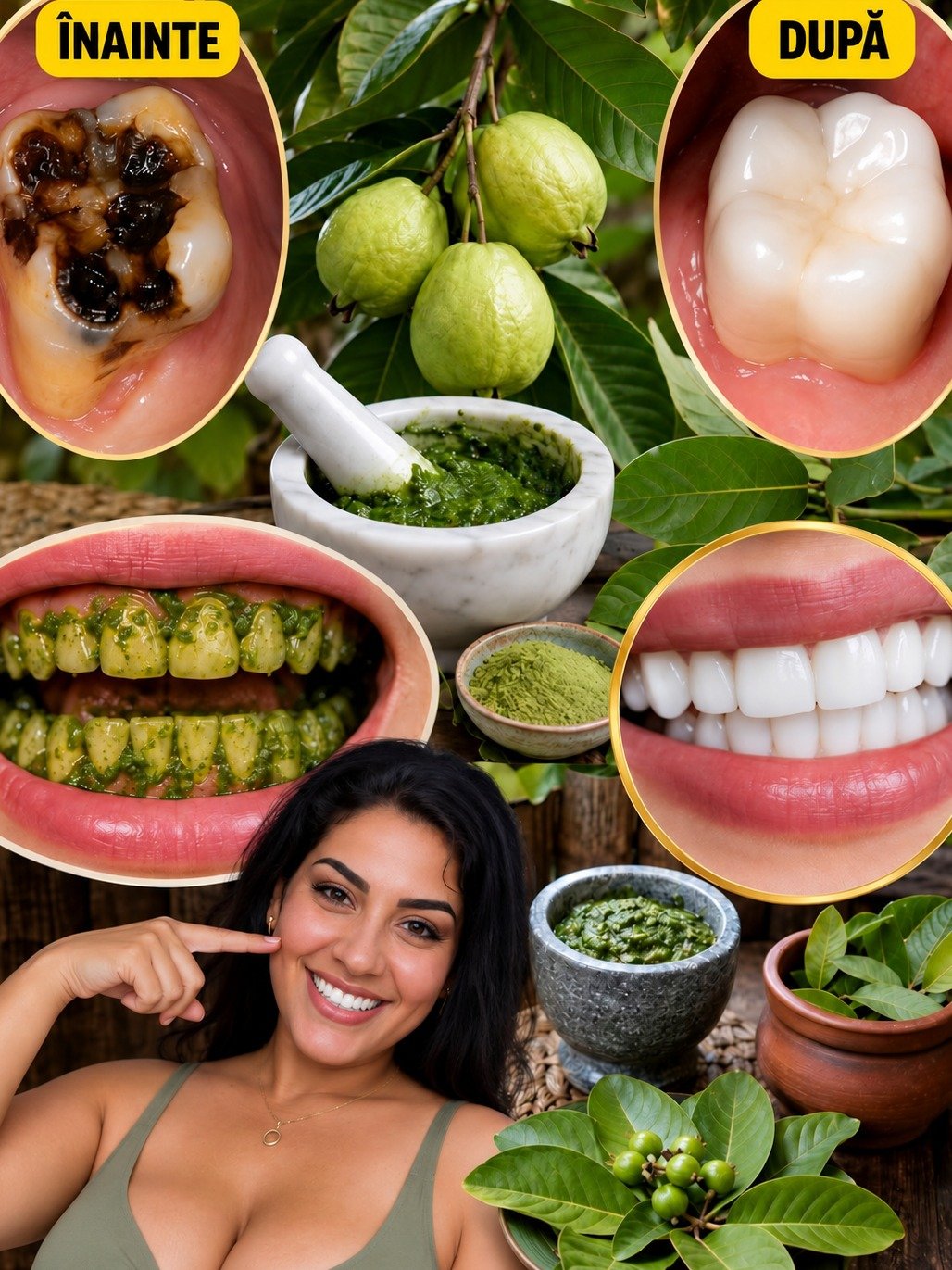
Some traditional recipes might suggest grinding the leaves into a paste and applying it directly to aching teeth or gums.
However, a gentler approach is generally preferable.
Highly concentrated homemade plant pastes—especially those containing substantial amounts of salt, acids, essential oils, or abrasive ingredients—have the potential to irritate sensitive oral tissues.
Instead of attempting to “treat” a cavity directly, consider using guava leaves purely as an optional complement to your established oral hygiene practices.
Your consistent daily routine holds far greater importance for your overall oral health.
The Single Most Important Step for Cavity Prevention
If your primary goal is to effectively protect your teeth from decay, fluoride toothpaste plays a far more potent and proven role than guava leaves ever could.
Make sure to brush thoroughly twice a day using fluoride toothpaste.
Fluoride actively helps to make your enamel more resistant to acid attacks and can even support remineralization during the earliest stages of tooth decay.
Cleaning between your teeth is equally crucial, as a toothbrush simply cannot effectively reach every surface where plaque accumulates.
Daily flossing or using another interdental cleaner recommended by your dentist can make a significant difference.
Why Sugar Frequency Matters More Than You Think
It’s not just the total amount of sugar you consume that warrants attention; how often your teeth are exposed to sugary foods and drinks is equally, if not more, important.
Each instance of exposure provides oral bacteria with a fresh opportunity to produce damaging acids.
This is why frequently sipping sweetened beverages or constantly snacking on sugary foods throughout the day can be particularly challenging for your teeth.
Aim to make water your go-to drink between meals, and try to keep sweet treats to reasonable portions rather than continuous grazing.
A guava leaf tea or rinse simply cannot counteract the effects of frequent sugar exposure.
Never Underestimate the Power of Saliva
Saliva is one of your mouth’s most incredible natural defense systems.
It actively helps to wash away food particles, buffer harmful acids, and deliver essential minerals involved in maintaining strong tooth surfaces.
This is precisely why persistent dry mouth always warrants attention.
While adequate hydration can alleviate common thirst-related dryness, chronic dry mouth can stem from other causes, including certain medications and underlying health conditions.
If your mouth frequently feels unusually dry, be sure to mention it to your dentist or healthcare professional.
Can Guava Leaves Actually Kill Cavity-Causing Bacteria?
This is where online descriptions can sometimes become a little overblown.
Guava leaf extracts have indeed demonstrated antimicrobial activity in controlled laboratory research, which makes them scientifically fascinating.
However, a laboratory experiment utilizing a precisely prepared extract is not equivalent to simply chewing a fresh leaf at home.
The concentration, preparation method, exposure time, and many other critical factors can differ dramatically between these two scenarios.
Therefore, it’s more accurate to state that guava leaves contain compounds being studied for oral health applications, rather than claiming they eliminate cavity-causing bacteria.
Can Guava Leaves Actually Heal a Cavity?
No homemade leaf remedy can possibly rebuild a tooth once decay has created a physical cavity.
Very early demineralization of enamel can sometimes be managed with professional guidance, fluoride treatments, improved oral hygiene, and dietary changes, potentially before a true cavity fully develops.
However, once the tooth structure has been physically lost, a dentist must be consulted to determine the appropriate professional treatment.
Waiting because a natural remedy temporarily makes the area feel better can unfortunately allow the underlying decay to progress unchecked.
What About Toothache Relief?
Tooth pain can stem from numerous possible causes.
While cavities are a common culprit, cracked teeth, gum issues, exposed roots, infection, teeth grinding, and various other dental conditions can also lead to discomfort and pain.
A homemade rinse might temporarily make your mouth feel fresher or more comfortable, but it cannot diagnose the underlying reason for your tooth pain.
Persistent or worsening tooth pain always warrants a professional dental examination.
Your Simple Daily Routine for Healthier Teeth and Gums
The most effective oral care routine is reassuringly straightforward and uncomplicated.
Brush twice daily with fluoride toothpaste and clean between your teeth every single day. Limit frequent sugary snacks and drinks, choose water regularly, and attend dental check-ups at intervals appropriate for your individual needs.
If you enjoy traditional guava leaf preparations and they don’t irritate your mouth, they can certainly remain an optional addition, but they should never form the foundation of your oral care routine.
This balanced approach gives natural traditions their rightful place, without demanding that they accomplish something they cannot reliably achieve.
When to Stop Using a Homemade Rinse
“Natural” does not automatically equate to being free from irritation or adverse reactions.
Discontinue using any guava leaf preparation immediately if you notice burning, persistent irritation, swelling, worsening gum discomfort, or any other unexpected reaction.
Individuals with known plant allergies or significant existing oral conditions should exercise particular caution with homemade preparations.
Young children should not be given homemade rinses if there’s any risk they might swallow them.
Red Flag Symptoms That Demand Professional Care, Not Home Remedies
Schedule professional dental care promptly if you experience persistent tooth pain, visible tooth damage, ongoing sensitivity, bleeding or swollen gums, or a cavity you can see or feel.
More urgent attention may be required when tooth pain is accompanied by significant facial or jaw swelling, fever, difficulty swallowing, or trouble breathing.
These severe situations absolutely demand professional evaluation and immediate intervention, not merely repeated herbal rinses.
Frequently Asked Questions (FAQ) About Guava Leaves & Oral Health
Are guava leaves good for your teeth?
Guava leaves are known to contain flavonoids, tannins, and other plant compounds that have been investigated for their antimicrobial and anti-inflammatory properties.
While they can be an interesting traditional addition to your oral hygiene, current evidence does not support treating them as a replacement for established cavity prevention methods.
Can guava leaves remove tooth decay?
No, they cannot.
Once tooth decay has created a cavity, guava leaves are unable to restore the lost tooth structure.
Can I use guava leaf water as a mouthwash?
Some individuals traditionally use a cooled preparation of boiled guava leaves as a rinse.
Ensure any homemade preparations are gentle, spit them out after rinsing, discontinue use if irritation occurs, and continue to brush regularly with fluoride toothpaste.
Can guava leaves replace toothpaste?
No, absolutely not.
Fluoride toothpaste remains significantly more important for daily cavity prevention.
Should I pack guava leaf paste into a cavity?
It is strongly advised not to pack homemade plant material into a cavity.
Food and plant debris can become trapped, and this action will not repair the tooth.
Do guava leaves cure gum disease?
They should not be described as a cure for gum disease. Persistent bleeding, swelling, tenderness, or gum recession should always be evaluated by a dental professional.
The Bottom Line
Guava leaves certainly hold an intriguing history in traditional oral care, and their natural plant compounds continue to captivate scientific attention.
If you appreciate traditional remedies, a carefully prepared guava leaf rinse or the occasional use of clean leaves can be considered an optional complement to your established oral hygiene routine.
However, the fundamental essentials for superior oral health remain refreshingly simple:
Brush twice daily with fluoride toothpaste, clean meticulously between your teeth, limit frequent sugar exposure, drink water regularly, and never delay professional dental care when something doesn’t feel right.
Natural ingredients can beautifully complement a well-thought-out routine. They don’t need exaggerated claims like “cavity destruction” or “tooth regeneration” to be an interesting addition to your daily wellness practices.
Disclaimer: This article is intended for general educational purposes only. It does not diagnose, prevent, or treat dental diseases and is not a substitute for examination or treatment by a qualified dentist.