 By admin
Imagine a plant that literally gives birth to dozens of tiny babies right on the edge of its leaves. No, this isn’t science fiction – it’s the mesmerizing reality of Kalanchoe pinnata. With its thick, fleshy leaves, an unusually captivating growth habit, and an astonishing ability to sprout miniature plantlets along its margins, this succulent effortlessly captures attention, making it a truly intriguing addition to any home or garden.
Also recognized by names like Bryophyllum pinnatum, the “Plant of Life,” “Air Plant,” or “Cathedral Bells,” Kalanchoe pinnata boasts a rich history of traditional use across various cultures worldwide. While these time-honored practices offer fascinating insights into human-plant relationships, it’s absolutely crucial to distinguish them from scientifically proven medical benefits.
Join us for an in-depth exploration of this remarkable succulent, delving into its traditional applications and highlighting essential common-sense precautions every enthusiast should know.
What Makes Kalanchoe pinnata So Uniquely Captivating?
At its core, Kalanchoe pinnata is a succulent, meaning its leaves are expertly designed to store water. This incredible adaptation allows it to thrive through drier spells, making it a relatively forgiving and easy-to-grow plant for beginners and seasoned gardeners alike.
However, its most astonishing and distinctive characteristic is undoubtedly the leaves’ innate capacity to develop tiny, fully formed plantlets. Under the right environmental conditions, these miniature offspring can detach, fall to the soil, and independently root, growing into entirely new, vibrant plants.
This extraordinary method of asexual reproduction is precisely why the plant has earned evocative names associated with vitality, rebirth, and enduring longevity across different languages and cultures.
Kalanchoe in Traditional Practices Across the Globe
For countless generations, communities in diverse regions have integrated various Kalanchoe species into their traditional preparations. These plants have been revered for their perceived properties and versatility.
The leaves, the primary component used, were prepared in a multitude of ways: steeped as warming infusions, crushed into poultices for direct application, or utilized in other topical skin preparations.
Historical traditional applications have included preparations linked to supporting:
- Occasional respiratory comfort
- Minor muscular or joint discomfort
- General skin care routines
- Daily wellness practices
It is vital to reiterate that these traditional uses are rooted in anecdotal history and cultural heritage. They should not, under any circumstances, be interpreted as scientific evidence that Kalanchoe pinnata can diagnose, prevent, treat, or cure any medical condition or disease.
While researchers have indeed investigated the naturally occurring compounds within the plant in laboratory settings, promising *in vitro* or animal study results do not automatically translate to home-prepared remedies being safe or effective for human consumption or application.
A Stunning Ornamental for Your Home and Garden
You don’t need to consider consuming Kalanchoe pinnata to fully appreciate its beauty and unique charm. Its ornamental value alone is reason enough to welcome it into your space.
As an architectural succulent, it makes a magnificent statement on sunny balconies, inviting terraces, bright windowsills, and in warmer garden climates. Its succulent, fleshy foliage provides an instant tropical aesthetic, and well-established plants can exhibit surprisingly rapid growth, transforming quickly into lush specimens.
Generally, this plant thrives in bright, indirect light and prefers well-draining soil. Because its leaves are designed to retain moisture, overwatering is the most common pitfall to avoid. It’s almost always better to allow the soil to dry out considerably between waterings rather than keeping the roots constantly damp, which can lead to rot.
Effortless Propagation: A Gardener’s Delight
One of the most rewarding and satisfying aspects of growing Kalanchoe pinnata is its incredibly straightforward propagation. It’s a plant that loves to multiply!
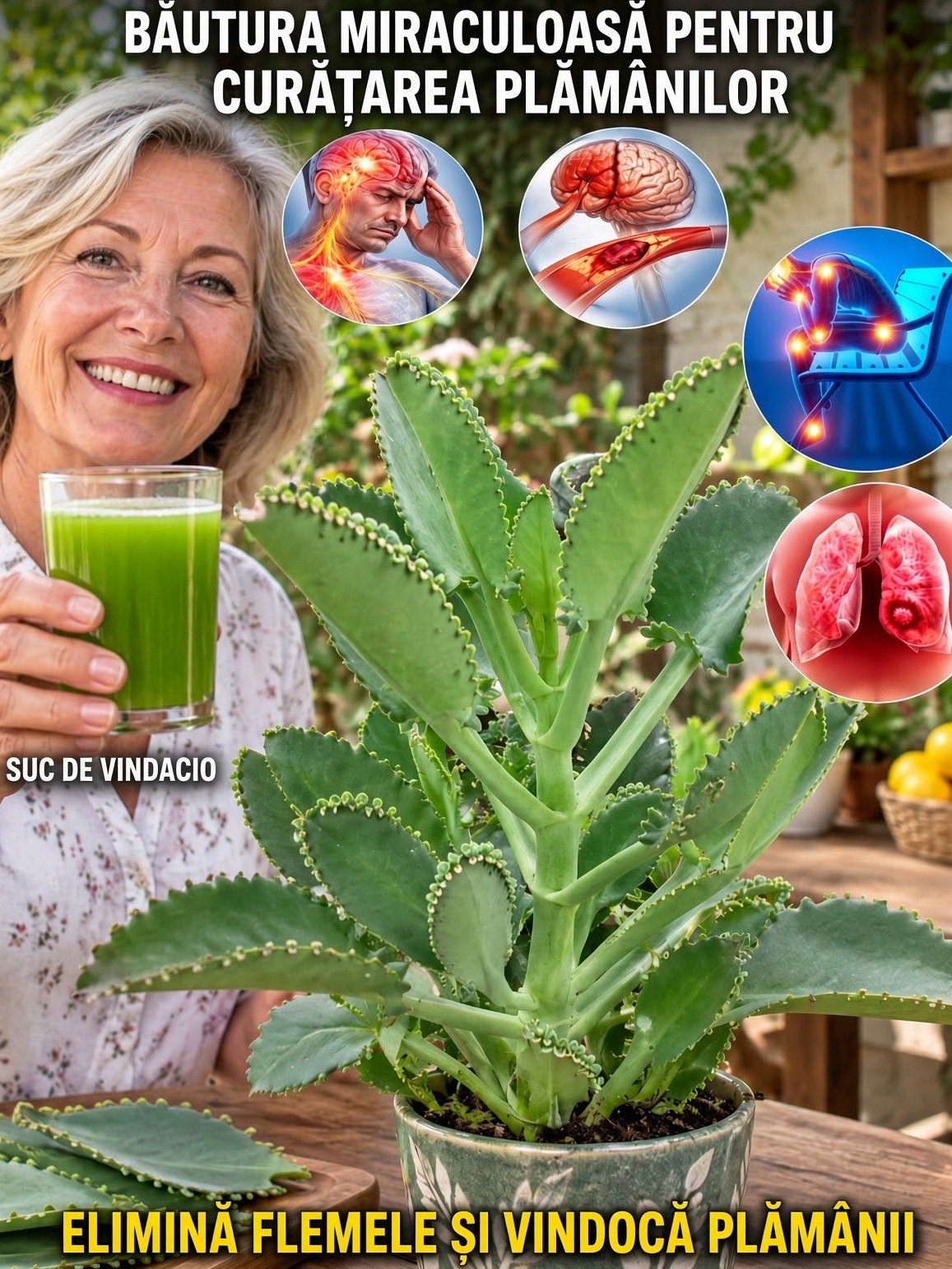
If you observe plantlets forming along the margins of mature leaves, simply detaching them and placing them on suitable, moist soil is often all it takes. With adequate warmth, good light, and moderate humidity, many of these tiny plantlets will readily root and develop into robust, independent plants.
For suitable varieties, you can also easily propagate from healthy stem or leaf cuttings, making it a truly versatile and generous plant.
This ease of multiplication makes the “Plant of Life” a firm favorite among gardeners who enjoy expanding their collection or sharing with friends without the need for complex equipment or advanced horticultural techniques.
But What About Kalanchoe Juice and Tea? Proceed with Extreme Caution!
A quick search online often reveals various recipes suggesting blending fresh *Kalanchoe pinnata* leaves into green drinks or infusing them in hot water for teas. This is where paramount caution becomes absolutely essential.
The term “natural” does not automatically equate to being safe for human consumption. Different *Kalanchoe* species contain various biologically active compounds, and the specific composition can vary significantly not only between species but also depending on growing conditions and preparation methods. Homemade concentrated juices, extracts, or teas from this plant should never be treated as a casual vegetable beverage.
Rather than attempting to suggest a specific dose or consumption regimen, it is unequivocally safer and strongly recommended to consult with a medical professional or qualified healthcare provider *before* considering any internal use of *Kalanchoe pinnata* for medicinal purposes.
This consultation is particularly critical for vulnerable groups, including children, pregnant or breastfeeding women, individuals currently taking medications, and anyone managing a chronic health condition.
Traditional Topical Use on Skin: What You Need to Know
Crushed leaves of Kalanchoe pinnata have also been featured in traditional practices for topical application to the skin. While historically noted, it’s important to approach this with informed awareness.
It is crucial to understand that plants and homemade preparations can potentially irritate sensitive skin or trigger allergic reactions in some individuals. They should never be applied to serious wounds, active infections, severe burns, or unexplained skin problems as a substitute for appropriate and professional medical care.
Persistent pain, swelling, difficulty breathing, or any other significant or worsening symptoms warrant immediate professional medical evaluation, not solely reliance on a home remedy.
The Best Reason to Cultivate This Marvel
Perhaps the most compelling and universally solid reason to keep Kalanchoe pinnata in your home or garden is also the simplest: it is an undeniably beautiful and highly unusual plant. Its aesthetic appeal is undeniable.
It propagates with remarkable ease, doesn’t demand constant watering, and consistently offers significant visual interest with its unique form and leaf structure. For those fascinated by ethnobotany and the rich history of plant knowledge, its long-standing role in traditional practices adds an additional layer of profound intrigue.
Final Thoughts on Your Kalanchoe Journey
Kalanchoe pinnata has truly earned its distinctive place in gardens and traditional cultures across the globe. Its resilient leaves, unmistakable plantlets, and fascinating historical narrative make it far more than just another succulent.
Instead of viewing it as a “green pharmacy” or a miraculous cure-all, it is far more appropriate and responsible to appreciate it as a captivating botanical specimen – a plant currently undergoing scientific research, whose traditional uses still require thorough and careful scientific evaluation.
Cultivate it, learn about its wonders, and revel in its extraordinary beauty. However, always approach internal consumption with extreme caution and *always* seek professional medical advice when any health concerns are involved.
This article is intended for general educational purposes only. It does not diagnose, treat, or replace professional medical advice. Always consult a qualified healthcare specialist before using this plant internally or topically, especially if you have a medical condition or are undergoing treatment.