 By admin
 What Is Avocado Seed Tea Traditionally Used For?
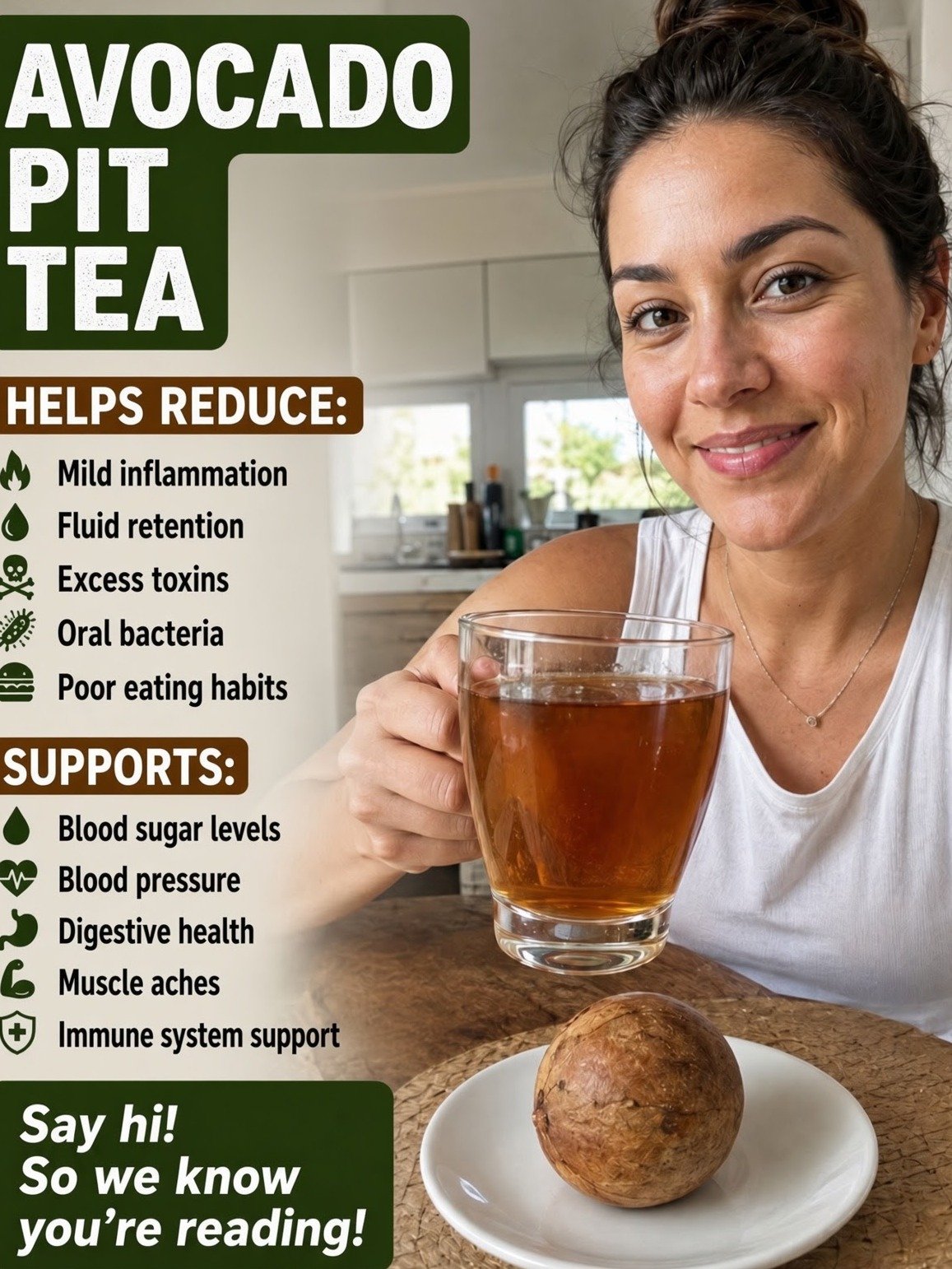
You have likely seen it trending on social media, but is the hype backed by research? Traditionally, some have used avocado seed tea to tackle digestive issues, bloating, and minor aches, yet it is vital to remember that cultural tradition is not a substitute for rigorous clinical proof.
Currently, there is a complete lack of scientific evidence to support the claims that avocado seed tea can:
- Manage blood pressure or regulate blood sugar
- Perform a “detox” or remove body toxins
- Kill oral bacteria
- Boost your immune system
- Act as a treatment for muscle pain or inflammation
Your body is already equipped with a highly efficient detoxification system—your liver, kidneys, lungs, and digestive tract. No herbal infusion can replace the essential functions of these organs, nor can it serve as a shortcut for a healthy diet or legitimate medical care.
Popular Avocado Seed Tea Recipe
The standard method often shared online includes:
Ingredients
- One thoroughly scrubbed avocado seed
- One liter of water
Preparation
After washing the seed, cut it into smaller segments. Combine these with water in a pot and allow it to simmer for about 10 minutes. Once the time is up, remove it from the heat, let it cool down, and strain the liquid before drinking.
Just because a recipe goes viral doesn’t mean it’s safe to consume. Boiling the seed does not guarantee the removal of potentially toxic compounds, which is why you should always consult a doctor or nutritionist before experimenting with it, especially if you have underlying health issues or take medication.
Can Avocado Seeds Be Harmful?
The primary issue here is safety and toxicity.
Toxicological studies on concentrated extracts have shown adverse effects at specific levels. However, these lab findings don’t translate into a “safe” dosage for a cup of tea made at home.
The levels of chemical compounds in a seed can fluctuate wildly depending on how the fruit was grown, its maturity, and how you prepare it. Because of this, there is currently no scientifically established safe dosage for home use.
If you are pregnant, nursing, a child, or suffer from liver, kidney, or digestive disorders, you should strictly avoid these preparations unless explicitly advised by a healthcare provider.
Those currently managing conditions like diabetes, hypertension, or clotting disorders must be extra cautious, as we still don’t fully understand how these substances interact with standard medications.
If you notice any of the following symptoms after consumption, stop immediately and seek medical help:
- Nausea or vomiting
- Abdominal cramping
- Diarrhea
- Skin itching
- Swelling
- Difficulty breathing
Is Avocado Flesh a Better Choice?
Absolutely.
The creamy flesh of the avocado is a well-studied, nutrient-dense food. It is packed with healthy unsaturated fats, fiber, vitamins, and minerals that your body actually needs.
You can easily enjoy avocado in smoothies, on toast, in salads, or as part of a balanced meal plan.
Unlike the seed, the flesh has a long, proven track record of being safe and beneficial for human consumption.
Of course, even the healthiest food should be part of a diverse diet rather than being viewed as a miracle cure for any specific illness.
What About the Antioxidants in Avocado Seeds?
This is the root of the online misinformation.
While it is true that avocado seeds contain phytochemicals and phenolic compounds that show antioxidant activity in a petri dish, those results are strictly preliminary and limited to laboratory environments.
Here is the crucial takeaway:
Just because a compound works in a lab setting, it does not mean it will have the same health-promoting effect when consumed as tea by a human.
We are still waiting for high-quality, peer-reviewed human studies to clarify if these compounds offer real benefits, what a safe amount might be, and whether the seeds are safe for regular consumption.
Final Thoughts
Avocado seeds are a fascinating subject for future research, but current data does not justify using the seed as a treatment for chronic conditions like high blood pressure, diabetes, or immune system issues.
Just because something is “natural” doesn’t mean it is safe; homemade concoctions are notoriously difficult to standardize and can contain unpredictable levels of active ingredients.
If you are curious about adding this to your routine, consult a doctor or a registered dietitian first. Above all, never swap your prescribed medical treatments or doctor-recommended care for a home-brewed remedy.
Disclaimer: This content is provided for educational purposes only and is not a substitute for professional medical advice.