 By admin
 Are you constantly battling that uncomfortable feeling of heavy legs, unexpected nighttime cramps, or that annoying “pins and needles” tingling in your feet? Many of us brush these sensations off as just a byproduct of a long day, but ignoring them could mean missing important clues about your circulatory health.
When your body struggles to circulate blood properly to your limbs, it often sends out warning signals that shouldn’t be overlooked. While there is no magic bullet, incorporating the right nutrient-dense foods into your routine can make a world of difference for your cardiovascular system. One powerhouse vegetable you need to know about? Beetroot.
In this post, we’re diving into why beets are a cardiovascular superstar and sharing simple, delicious ways to add them to your daily menu.
Why Do Heavy Legs and Tingling Occur?
Those “heavy” sensations in your legs aren’t always just from a busy day at the office. Frequently, they are linked to underlying issues affecting blood flow, vein integrity, nerve function, or even fluid retention.
Common factors include:
- Living a largely sedentary lifestyle
- Spending hours at a time sitting or standing
- Struggling with high blood pressure or elevated cholesterol
- Carrying excess body weight
- Having specific nutritional gaps in your diet
- Dealing with vascular conditions like varicose veins
Possible warning signs include:
- Noticeable puffiness around your ankles or calves
- Persistent tingling or a prickly “pins-and-needles” feeling
- Frequent, painful muscle spasms or cramps
- Feeling chronically cold in your hands or feet
- Development of visible spider or varicose veins
Always remember: if these symptoms persist or seem to be worsening, please skip the home remedies and consult with a medical professional for an accurate diagnosis.
Beetroot: A Nutrient-Rich Food for Circulation
If you are actively searching for foods that support a healthy heart, look no further than the humble beetroot.
Its secret weapon is dietary nitrate. Once consumed, your body transforms these nitrates into nitric oxide—a vital molecule that helps relax your blood vessels, allowing blood to flow more efficiently.
Scientists have spent years studying how nitrate-rich veggies like beets impact blood pressure and physical stamina. Just keep in mind that while beets are a fantastic addition to your plate, they should be part of a holistic healthy lifestyle rather than a primary treatment for circulation disorders.
4 Potential Benefits of Beetroot
1. Promotes Optimal Blood Vessel Function
By boosting your body’s nitric oxide levels, the nitrates in beetroot help your blood vessels relax, which is essential for smooth, healthy circulation.
2. May Enhance Your Fitness Gains
Emerging research suggests that dietary nitrates can help your body use oxygen more efficiently, potentially improving your overall exercise performance.
3. Packed with Essential Micronutrients
Beetroot is a nutritional goldmine, offering a variety of plant compounds, including:
- Folate
- Potassium
- Vitamin C
- Dietary fiber
- Powerful natural antioxidants
4. Supports Overall Heart Health
Consistently eating vegetables like beets as part of a well-rounded diet is a simple, effective way to support your long-term cardiovascular wellness.
However, it is vital to remember that beetroot does not directly cure conditions like anemia, vascular disease, leg swelling, or chronic tingling. These issues are complex and require personalized medical attention.
3 Simple Beetroot Recipes to Include in Your Diet
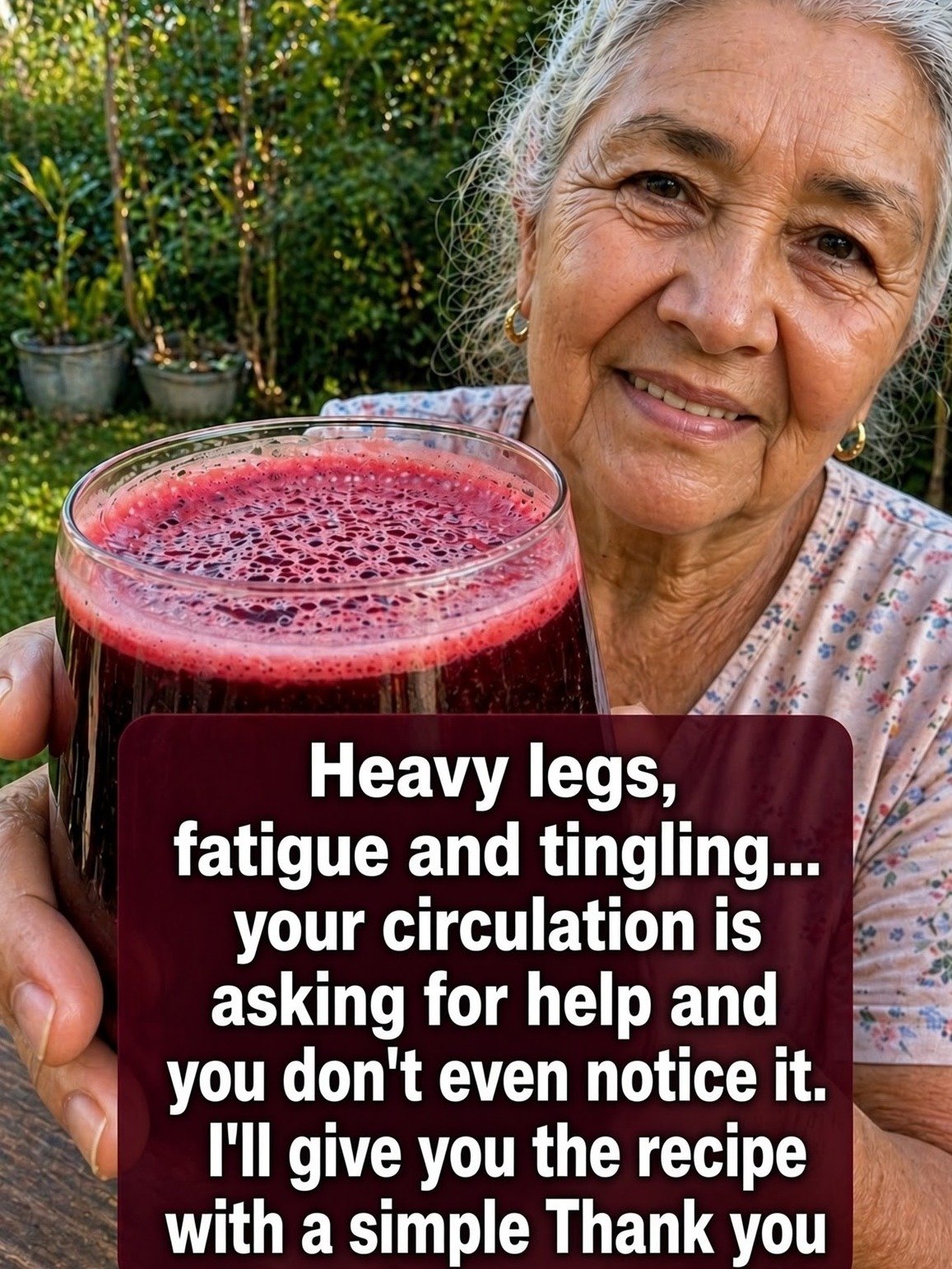
1. Beetroot and Carrot Smoothie
This vibrant blend is the easiest way to pack more nutrients into your morning routine.
Ingredients
- 1 medium beetroot
- 1 fresh carrot
- 1 crisp apple
- Juice of ½ lemon
- 1 glass of water
Preparation
- Thoroughly wash and peel both the beetroot and carrot.
- Chop all produce into manageable chunks.
- Blend the ingredients with water until smooth.
- Stir in the fresh lemon juice for a zesty kick.
- Enjoy your refreshing smoothie right away!
There is no “right” time to drink this; feel free to enjoy it whenever it fits into your day.
2. Warm Beetroot and Ginger Drink
This soothing, earthy brew is perfect for keeping you cozy on chilly evenings.
Ingredients
- 1 small beetroot, thinly sliced
- A small, fresh knob of ginger
- 2 cups of water
Preparation
- Bring your water to a rolling boil.
- Carefully add the sliced beetroot and ginger.
- Lower the heat and simmer for roughly 10 minutes.
- Strain the liquid, let it cool to a comfortable temperature, and sip slowly.
While this is a delicious, warming beverage, please note that it shouldn’t be viewed as a clinical remedy for poor circulation.
3. Beetroot Salad for Heart-Healthy Eating
Ingredients
- 2 pre-cooked beetroots
- 1 clove of garlic, finely minced
- 1 tablespoon of premium extra-virgin olive oil
- Juice of ½ lemon
- A pinch of sea salt
Preparation
Dice the beets, toss them with the garlic, olive oil, and lemon juice until well coated.
It’s a light, nutrient-dense side dish that delivers a massive punch of flavor with minimal effort.
Lifestyle Habits That Can Support Healthy Circulation
Remember, food is just one piece of the puzzle. To truly support your vascular health, pair your beet intake with these daily habits:
- Stay active: Walking regularly keeps those leg muscles pumping and blood moving.
- Avoid prolonged sitting: If you work at a desk, make sure to stand up and stretch frequently.
- Prioritize weight management: Keeping a healthy weight reduces the strain on your veins.
- Stay hydrated: Drink plenty of water throughout the day.
- Watch the salt: Cutting back on excess sodium helps manage fluid retention.
- Quit smoking: It’s one of the best things you can do for your heart.
- Monitor your stats: Keep a close eye on your blood pressure and cholesterol levels.
If you notice frequent leg pain, swelling, or persistent numbness, please don’t hesitate to reach out to your doctor.
⚠️ Important Precautions
While beets are fantastic for most people, there are a few things to keep in mind if you have specific health concerns.
If you have a history of calcium oxalate kidney stones, you should chat with your doctor about your intake of high-oxalate foods like beets.
Because beets can naturally lower blood pressure, those already taking blood pressure medication should consult their physician before making major dietary changes to avoid any unexpected interactions.
Finally, don’t panic if you notice your urine or stool looking pink or red after eating beets! This is called beeturia—it’s a completely normal, harmless reaction to the natural pigments in the vegetable.
Final Thoughts
Beetroot isn’t a miracle cure for persistent leg issues, but it is an incredibly nutritious, fiber-rich vegetable packed with the antioxidants your heart craves. It’s a stellar addition to any heart-healthy lifestyle.
The most important step you can take is to investigate why you’re dealing with these symptoms in the first place. Leg heaviness, cramps, and tingling are signals from your body that could point to everything from simple lifestyle factors to more serious medical conditions.
Eat your beets, stay active, and always listen to what your body is telling you—and when in doubt, consult a professional.
Disclaimer: This content is for educational purposes and should not be considered a substitute for professional medical guidance, diagnosis, or clinical treatment.