 By admin
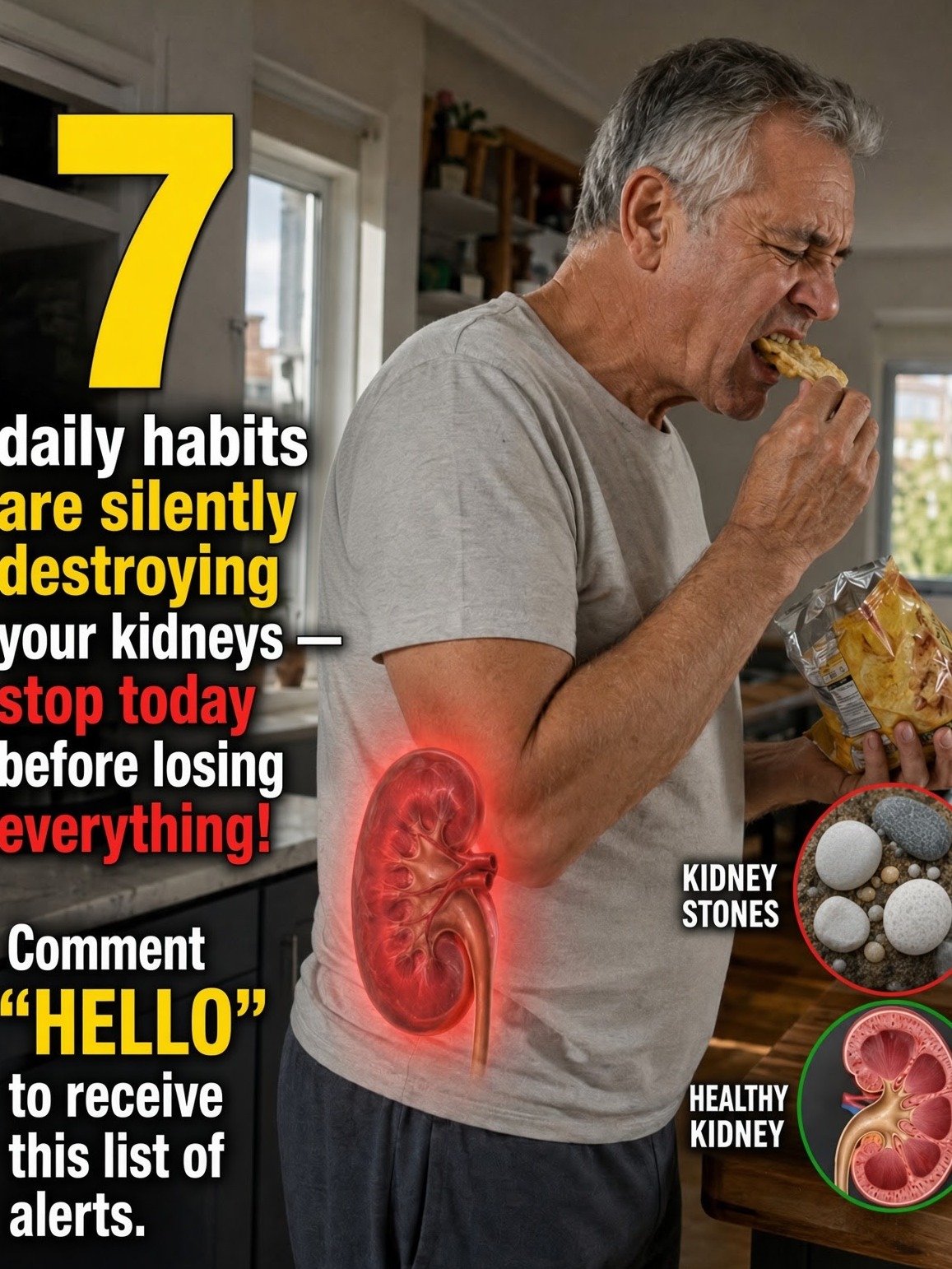
Your kidneys are the unsung heroes of your body, working around the clock to purify your blood, balance vital electrolytes, and manage fluid levels. Because they never take a break, even minor, seemingly harmless daily routines can put unnecessary strain on them over time.
The good news is that most of these damaging behaviors are easily reversible with a few simple tweaks to your lifestyle.
1. Not Drinking Enough Water
When your fluid intake is consistently low, your urine becomes highly concentrated. For many people, this creates the perfect environment for painful kidney stones to form.
While there is no one-size-fits-all rule for how much water you should drink, your personal needs fluctuate based on your climate, activity levels, diet, and overall health status.
Tip: Keep your body hydrated throughout the day, and use your thirst levels and urine color as natural indicators of your hydration status.
2. Eating Too Much Salt
Consuming excessive amounts of sodium triggers a rise in blood pressure, which is widely considered one of the primary drivers of chronic kidney disease.
You might be surprised to find hidden sodium overload in processed snacks, deli meats, frozen meals, and even common restaurant sauces.
A simple change: Pivot toward whole, fresh ingredients and brighten up your dishes with fresh herbs, garlic, onions, and spices rather than relying on the salt shaker.
3. Ignoring High Blood Pressure
Uncontrolled high blood pressure acts like a slow-motion wrecking ball to the tiny, delicate blood vessels that your kidneys rely on to filter waste.
The danger lies in its stealthiness—hypertension rarely presents obvious warning signs until significant damage has already occurred.
This is why monitoring your blood pressure routinely and sticking to a doctor-prescribed treatment plan is essential for keeping your kidneys functioning optimally.
4. Neglecting Blood Sugar
When blood glucose levels remain chronically elevated, it damages the intricate network of vessels responsible for kidney filtration.
If you are living with diabetes, strict blood sugar management and staying on top of your medical appointments are non-negotiable.
By keeping your blood sugar in check, you are directly protecting the health and longevity of your kidneys.
5. Overusing Painkillers
Frequent or high-dose reliance on nonsteroidal anti-inflammatory drugs (NSAIDs) can be toxic to the kidneys for many individuals.
The danger escalates if you are already managing kidney issues, struggle with dehydration, or have other underlying health complications.
Never exceed recommended dosages or use pain medication long-term without getting the green light from your doctor.
6. Smoking
Smoking is a major threat to your vascular health, significantly increasing your risk for both cardiovascular disease and kidney failure.
Choosing to quit is one of the most powerful gifts you can give your entire body.
If you feel like you can’t quit on your own, reach out for professional resources to make your transition to a smoke-free life much easier.
7. Sitting All Day
Living a sedentary lifestyle is linked to a host of negative outcomes, including a spike in metabolic risks and cardiovascular strain.
Integrating regular movement and light exercise into your day helps stabilize your weight, blood pressure, and glucose levels—all critical components for maintaining healthy kidneys.
You don’t need a grueling gym routine to see results.
Starting with a simple, consistent daily walk is a fantastic way to begin.
What About Kidney Stones?
The idea that kidney stones occur simply because you need to “cleanse” your system is a myth; they are not caused by a buildup of toxins.
Stones typically form when specific minerals in your urine reach a concentration high enough to crystallize into solid masses.
While staying hydrated is a great first line of defense for some stone types, the right prevention strategy is highly individualized based on your specific risk factors and the type of stone you may be prone to.
If you have a history of stones, work closely with a medical professional to develop a personalized prevention plan.
Can Your Kidneys Give You Warning Signs?
Kidney disease is notoriously quiet, often advancing for years without showing any major red flags.
Because of this, you should be proactive about your kidney health rather than waiting for pain to strike.
Regular blood and urine screenings are vital, especially if you have risk factors like diabetes, high blood pressure, or a family history of renal issues.
Seek medical attention promptly if you experience:
- Blood in your urine
- Severe pain in your back or side
- Significant difficulty urinating or a major decrease in urine output
- Significant swelling
- Shortness of breath
- Fever accompanied by urinary pain
The Best “Kidney Cleanse” Is Managing Your Risk Factors
Forget the expensive detox teas and miracle cleanses; they do nothing to “flush” your kidneys.
The most effective and scientifically sound way to care for your kidneys is by sticking to these core habits:
💧 Stay properly hydrated
🧂 Reduce excess sodium
🩸 Keep blood pressure under control
🍬 Manage blood sugar
💊 Use medications responsibly
🚭 Avoid smoking
🚶 Stay physically active
🥗 Eat a balanced diet
Your kidneys don’t require magic pills; they thrive on consistent, daily care.
Disclaimer: This content is provided for informational purposes only and is not a substitute for professional medical guidance. If you are living with kidney disease, heart failure, or any condition that requires fluid monitoring, please adhere strictly to the advice provided by your personal healthcare team.**