 By admin
What if two humble ingredients from your kitchen could unlock a new level of wellness? Guava leaves and garlic, often celebrated individually, are now making waves together in a traditional plant-based drink. This unique combination has become a topic of fascinating discussion, merging ancient wisdom with modern interest in natural well-being.
Online, you might stumble upon bold claims suggesting this potent mix can “reset circulation” or rapidly normalize blood sugar. However, it’s crucial to approach such promises with a healthy dose of realism; a homemade beverage simply cannot deliver the dramatic effects implied. Instead, it’s more beneficial to view guava leaves and garlic as valuable additions to a diverse diet, rather than a standalone cure for circulatory issues, diabetes, or other serious health conditions.
Why Are Guava Leaves and Garlic Catching So Much Attention?
Guava leaves are rich in natural plant compounds, notably flavonoids and polyphenols. These substances have been a focus of scientific inquiry, particularly for their antioxidant properties and their potential influence on how the body processes carbohydrates.
Garlic, on the other hand, boasts a rich history, revered both as a culinary staple and a traditional remedy. When a fresh clove of garlic is cut or crushed, a series of chemical reactions are triggered, leading to the formation of beneficial sulfur compounds, most famously allicin.
These unique compounds are precisely why garlic continues to be extensively researched for its potential contributions to cardiovascular health. Neither ingredient requires exaggerated claims to demonstrate its value; both can be effortlessly incorporated into a diet abundant in plant-based foods.
Understanding Guava Leaves and Their Powerful Compounds
While many are familiar with the delicious guava fruit, its leaves have also been traditionally utilized, often prepared as an herbal infusion.
The leaves are packed with flavonoids and various other polyphenols. Some research has investigated whether preparations derived from guava leaves can impact the body’s management of post-meal carbohydrates.
It’s essential to understand that this research does not imply guava leaf tea can control diabetes or serve as a replacement for prescribed medications. For individuals concerned about blood sugar levels, the foundational pillars remain a balanced diet, regular physical activity, appropriate medical monitoring, and adherence to prescribed treatments when necessary.
Garlic’s Role in Supporting Cardiovascular Wellness
Garlic is a ubiquitous ingredient in daily cooking, making it one of the simplest plant-based foods to integrate into your regular diet.
Its distinctive sulfur compounds have been a subject of numerous studies exploring their connection to cardiovascular function. This is why garlic frequently appears in discussions about heart-healthy dietary patterns.
However, it’s vital to differentiate between supporting a balanced lifestyle and making unsubstantiated claims that garlic can “cleanse arteries” or instantly improve poor circulation. No herbal tea can substitute for proper medical evaluation or treatment for cardiovascular diseases.
Cold Hands and Heavy Legs: Is It Always a Circulation Problem?
Experiencing cold hands, tired legs, or an afternoon energy slump is often casually attributed to “poor circulation.” In reality, these sensations can stem from a wide array of underlying causes.
Factors such as prolonged sitting or standing, environmental temperature, insufficient sleep, dehydration, stress, dietary habits, medications, and even underlying health conditions can all play a role.
For occasional discomfort after a sedentary day, simple habits like regular breaks to stand and walk, stretching, staying hydrated, and eating balanced meals can significantly improve how you feel. However, persistent, severe, or unexplained symptoms warrant a professional medical evaluation, not just reliance on a home remedy.
Can Guava Leaves Truly Help with Blood Sugar?
This particular area represents one of the more compelling avenues of research concerning guava leaves.
Some studies have examined the effects of guava leaf preparations on post-meal glycemic responses. While these findings have generated scientific interest, they should not be interpreted as definitive proof that homemade tea can reliably lower or normalize blood sugar levels.
The specific preparations used in research may differ significantly from a tea brewed at home. If you have diabetes or are taking medications that affect blood sugar, never alter your treatment based solely on an herbal beverage. Always discuss the regular consumption of any plant-based preparations with your doctor, especially if you closely monitor your blood sugar.
The Secret to Garlic’s Power: Why Crushing Matters
If you’re using fresh garlic, there’s a simple culinary technique that can make a difference.
When garlic is crushed or finely chopped, an enzyme called alliinase springs into action, helping to convert certain natural compounds into allicin. Allowing crushed garlic to sit for a short period before cooking is a common recommendation for those looking to maximize the presence of these freshly formed compounds.
While this process doesn’t magically transform garlic into a medicine, it beautifully illustrates how food preparation can directly influence its chemical composition and potential benefits.
Simple Recipe: Guava Leaf and Garlic Tea for Your Daily Routine
If you appreciate herbal beverages and tolerate both ingredients well, you can easily prepare a mild version of this tea at home.
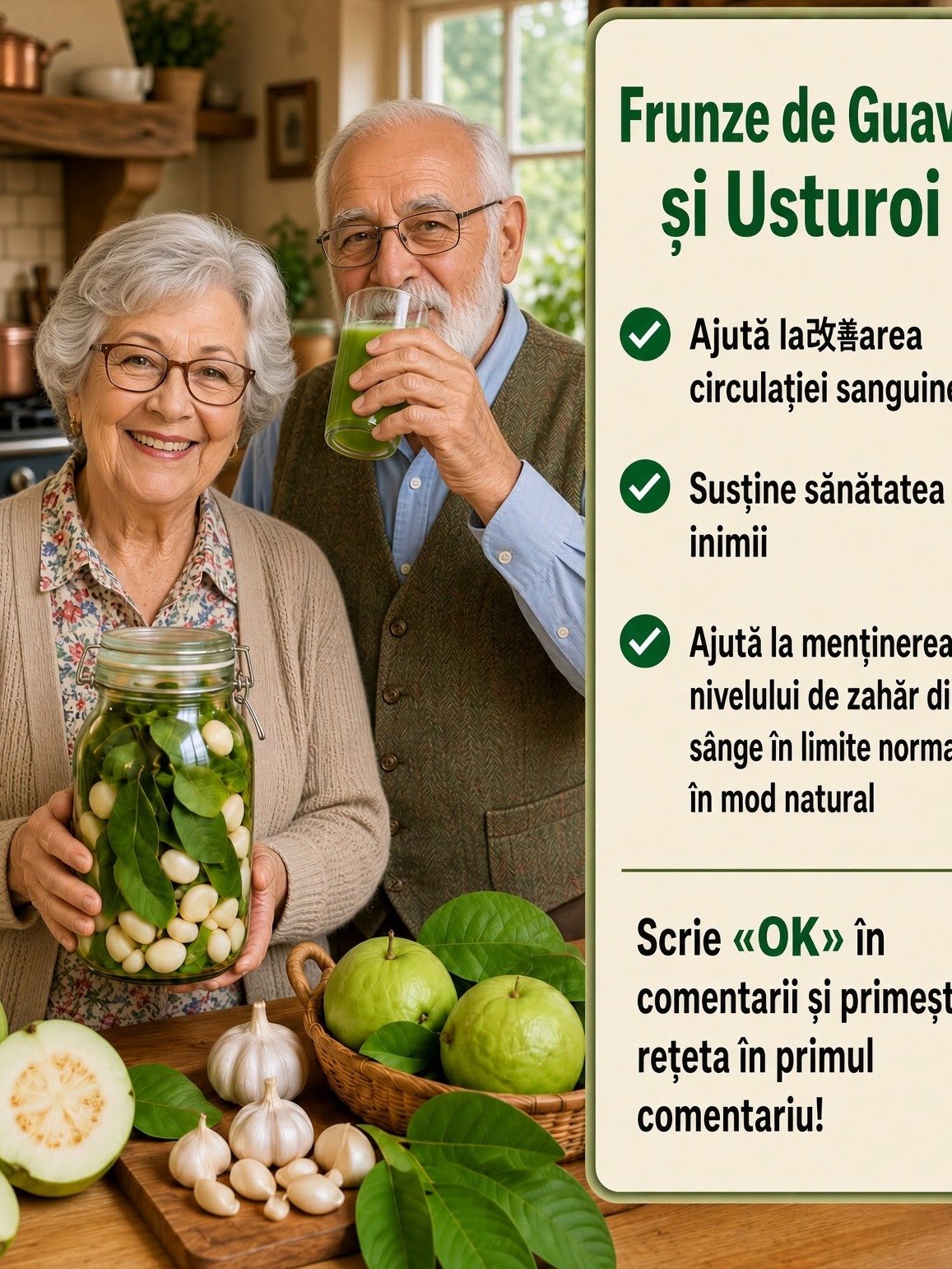
Ingredients
- 4 fresh guava leaves, thoroughly washed
- 1 small clove of garlic, lightly crushed
- 2 cups of water
- A squeeze of lemon juice, optional
Instructions
Bring the water to a gentle boil, then add the washed guava leaves. Reduce the heat and let it simmer for approximately 5–10 minutes. Remove the pot from the heat and allow it to cool slightly. Add the lightly crushed garlic and let it infuse briefly. Strain the beverage and serve it warm.
Given garlic’s potent flavor, it’s advisable to start with a small quantity. There’s no need to make the mixture overly concentrated to enjoy its unique profile.
What You Can Realistically Expect to Notice
Instead of anticipating a “dramatic circulation reset,” consider how this beverage might realistically integrate into your daily routine.
A warm, unsweetened drink can serve as a healthier alternative to sugary beverages and may encourage better overall hydration. Many people simply enjoy the comforting warmth and the distinct, earthy taste.
Any significant improvements in cardiovascular health or blood sugar management typically depend on a holistic picture, not just one isolated drink: your overall diet throughout the day, your level of physical activity, sleep quality, smoking habits, stress management, and appropriate medical care all play crucial roles.
Everyday Habits That Foster More Comfortable Circulation
If your goal is to achieve better cardiovascular well-being, several sustainable daily habits will yield far more significant results than searching for a single “secret” ingredient.
Engaging in comfortable daily movement, avoiding prolonged periods in the same position, maintaining adequate hydration, consuming plenty of vegetables and minimally processed foods, and ensuring sufficient sleep can truly make a difference.
A balanced eating pattern should incorporate fruits, vegetables, legumes, whole grains, nuts, seeds, and appropriate sources of healthy fats. Small, consistently repeated habits are generally far more effective than short-term “three-day cleanses” or quick “resets.”
Who Should Exercise Caution?
Just because something is natural doesn’t automatically mean it’s suitable for everyone.
Garlic, especially when consumed in unusually large or concentrated amounts, can potentially interact with certain medications or increase the tendency for bleeding. Similarly, guava leaf preparations may not be appropriate for some individuals, particularly those taking medications that influence blood sugar levels.
If you take regular medications, are pregnant or breastfeeding, preparing for surgery, or have an ongoing medical condition, always consult a healthcare professional before incorporating concentrated herbal preparations into your daily routine.
Frequently Asked Questions About Guava Leaf & Garlic Tea
Can I drink this tea every day?
Occasional, moderate consumption may be reasonable for many healthy adults, but there is no demonstrated need to drink it daily. Variety in your diet and beverages is generally preferable.
Does it immediately improve circulation?
There is no robust scientific evidence to suggest that a homemade guava leaf and garlic tea can rapidly “reset” circulation. Cardiovascular health is a complex outcome influenced by many interacting factors over time.
Can it lower blood sugar?
Guava leaves have been researched in relation to post-meal glycemic responses, but this herbal tea should not be used as a substitute for diabetes treatment or prescribed medications.
Is it better before or after a meal?
There isn’t a universally prescribed time for general use. Choose a moment that feels comfortable for you, unless your doctor has provided specific instructions.
Can I add honey?
You may add a small amount of honey for taste, but the beverage can also be thoroughly enjoyed without any added sugar.
Final Thoughts: Beyond the Hype
Guava leaf and garlic tea is a traditional-style beverage crafted from two plant-based ingredients known to contain natural bioactive compounds.
Rather than describing it as a “secret circulation reset,” it is more accurate—and ultimately more beneficial—to view it as an option that can thoughtfully integrate into a holistic, balanced lifestyle.
Enjoy it if you appreciate the ingredients and the ritual of preparing a warm infusion. However, for long-term cardiovascular and metabolic health, prioritize balanced meals, regular physical activity, consistent hydration, quality sleep, and appropriate medical care.
These everyday habits may not sound as dramatic or sensational as a miracle remedy, but they provide a far more realistic and enduring foundation for sustained well-being.