Meta description: Dive into the world of parsley leaf tea, an effortlessly aromatic infusion you can brew right in your kitchen. Learn about parsley’s natural compounds, the simple preparation steps, its traditional uses, and important precautions to keep in mind.
What if the humble herb often relegated to a mere garnish on your plate held the key to a surprisingly refreshing and naturally caffeine-free daily ritual? Prepare to unlock the unexpected power of parsley, a vibrant green plant cherished for generations far beyond its culinary appeal. With its intensely colored leaves and distinct fresh aroma, this versatile plant has graced kitchens and traditional practices for centuries, offering more than just visual appeal.
This delightful beverage is incredibly accessible, remarkably simple to prepare, and naturally free of caffeine. Many individuals find it to be a pleasant post-meal drink or a welcome, healthier alternative to sugary beverages throughout the day.
While parsley does boast a profile of nutrients and various plant compounds, it’s crucial to maintain realistic expectations. Let’s be clear: parsley tea is a comforting drink, not a medical cure or treatment for serious conditions such as kidney disease, urinary tract infections, diabetes, cancer, or any other health ailments.
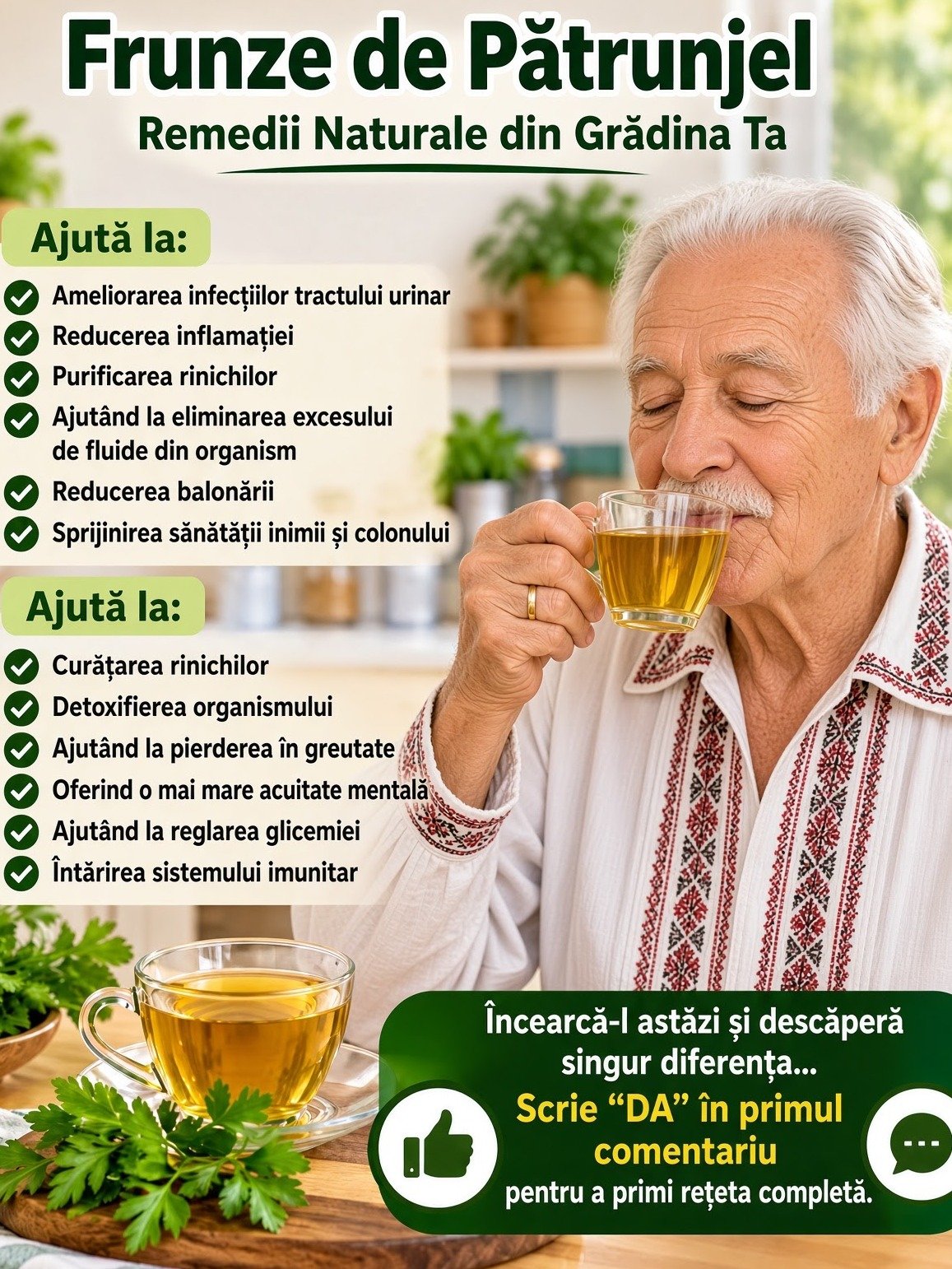
Crafting parsley tea involves a straightforward process: simply steeping either fresh or dried parsley leaves in hot water for a few minutes.
The outcome is a refreshing beverage with a distinct, herbaceous aroma, perfect for enjoying on its own or enhanced with additions like a squeeze of lemon, a slice of ginger, a sprig of mint, or a touch of honey for subtle sweetness.
Fresh parsley is a natural source of vital nutrients, including vitamin C, vitamin K, folate, and carotenoids. Much like other vibrant herbs and vegetables, it also contains beneficial plant compounds renowned for their antioxidant properties.
However, it’s important to recognize the distinction between consuming a serving of fresh parsley and enjoying a cup of its infused tea. Not all nutrients transfer into the water in the same concentrations.
Therefore, while delightful, this tea should not be viewed as a direct replacement for incorporating a diverse array of fresh vegetables and herbs into your diet.
🍵 How to Brew Your Own Parsley Tea at Home?
You’ll be pleased to know that you don’t need any complex ingredients to create this simple brew.
For a Single Serving:
- 1 cup of water
- Approximately 1 tablespoon of fresh parsley, thoroughly washed
- A splash of lemon juice, optional
- 1 teaspoon of honey, optional
- A small slice of fresh ginger, optional
Bring the water to a rolling boil, then remove the pot from the heat. Add your fresh parsley, cover the vessel, and allow it to steep for approximately 7–10 minutes.
Strain the infused liquid directly into your favorite mug.
Feel free to enhance the flavor with a hint of lemon or ginger. If you enjoy a touch of sweetness, a small amount of honey will suffice.
This versatile infusion can be savored warm, or chilled and served over ice for a refreshing cold beverage.
🌱 Why Do People Drink Parsley Tea?
Parsley tea boasts a rich history in traditional practices, where it has long been associated particularly with supporting digestion and promoting fluid elimination.
However, it’s always beneficial to differentiate between traditional uses and scientifically proven medical benefits.
1. A Delightful Post-Meal Beverage
A warm beverage can offer a sense of comfort after a meal, and the fresh, clean aroma of parsley tea provides an intriguing alternative to more conventional teas.
It’s important to note that this pleasant experience doesn’t imply the infusion is a treatment for digestive issues.
Severe or persistent bloating, abdominal pain, vomiting, or any other recurring digestive symptoms warrant a consultation with a healthcare professional.
2. Parsley is Linked to a Mild Diuretic Effect
Traditionally, parsley has been utilized to encourage urination. This historical application is the source of many online recipes promoting ‘water elimination’ or ‘kidney cleansing’.
However, it’s crucial not to confuse these concepts.
Promoting urination is not synonymous with detoxifying or ‘cleansing’ your kidneys.
Healthy kidneys are continuously at work, filtering blood, playing a vital role in regulating water and electrolyte balance, and efficiently eliminating waste products through urine.
Individuals with existing kidney or heart conditions should exercise particular caution when considering concentrated herbal preparations or making significant alterations to their fluid intake.
3. Parsley Adds Dietary Variety
Fresh parsley is rich in beneficial flavonoids, carotenoids, vitamins, and a host of other natural compounds.
However, no single herb should bear the sole responsibility for a healthy diet.
A far more effective strategy involves consuming a wide variety of vegetables, fruits, legumes, whole grains, diverse herbs, nuts, and seeds.
Parsley can simply be one of many wonderful herbs you incorporate into your meals throughout the week.
4. A Potential Replacement for Sugary Drinks
A straightforward advantage of unsweetened teas lies in what they can effectively replace in your diet.
If a cup of parsley infusion occasionally takes the place of a soda or another beverage loaded with added sugar, it can certainly be a practical and healthier choice.
When opting for this, it makes sense to keep any added honey or sugar to a very moderate amount, if at all.
💧 Parsley Tea and Kidney Health
This particular topic is frequently surrounded by some of the most significant exaggerations found across online platforms.
You might encounter bold claims suggesting that parsley tea can ‘flush out kidneys,’ dissolve kidney stones, or even cure urinary tract infections.
It’s imperative that these promises are not mistaken for scientifically proven medical benefits.
Kidney stones vary in composition and require distinct medical approaches. Similarly, a urinary tract infection absolutely necessitates proper medical evaluation and treatment.
Symptoms such as painful or burning urination, fever, blood in urine, severe back or flank pain, and any symptoms that persist or worsen should never be managed solely with herbal teas.
Parsley can certainly remain a valued part of your diet. The critical distinction lies between consuming a food item and using it as a direct treatment for a specific illness.
🍃 Does Parsley Tea ‘Detox’ Your Body?
The term ‘detox’ enjoys immense popularity within wellness content, but it often creates a misleading impression of how our bodies actually function.
Your body is already equipped with incredibly sophisticated systems designed for processing and eliminating various substances, primarily through your liver, kidneys, digestive system, and lungs.
An herbal tea is not intended to take over the crucial functions of these vital organs.
It’s far more realistic to view parsley tea as a simple beverage that can complement healthy habits such as adequate hydration, a varied diet, regular physical activity, sufficient sleep, and appropriate medical care when needed.
🥗 Parsley Isn’t Just for Tea!
In fact, incorporating fresh parsley directly into your cooking is one of the most straightforward and effective ways to fully benefit from its nutritional value.
You can easily chop and sprinkle it into salads, soups, bean or lentil dishes, rice, roasted vegetables, eggs, and homemade sauces and dressings.
It can also be a vibrant addition to certain green smoothies, though there’s no need to use unusually large quantities.
Varying the herbs you use throughout the week can make your meals more exciting and contribute significantly to overall dietary diversity.
⏰ How Often Can You Drink Parsley Tea?
There isn’t a universal rule dictating that this tea must be consumed for precisely three, seven, or ten days to achieve some supposed ‘cleanse’.
For a healthy adult, enjoying an occasional cup as a simple beverage is vastly different from consistently consuming large daily quantities or concentrated parsley preparations.
Remember, more isn’t automatically better, especially when it comes to herbs.
Even entirely natural plants can contain biologically active compounds, and concentrated products are not necessarily equivalent to using the herb in typical culinary amounts.
⚠️ Who Should Exercise Caution?
The parsley you use in regular cooking differs significantly from frequent consumption of highly concentrated infusions, extracts, or supplements.
It is wise to consult with a doctor or pharmacist before regularly using large quantities or concentrated parsley products if you are pregnant, have kidney disease, are taking anticoagulants like warfarin, use diuretics, or any other medications that affect fluid and electrolyte balance.
Parsley is also a significant source of vitamin K, which can be particularly relevant for individuals on certain anticoagulant medications. In such situations, consistent dietary intake and adherence to your clinician’s recommendations are far more crucial than arbitrarily eliminating a specific food.
If you are currently undergoing treatment for a medical condition, never discontinue it or replace it with an herbal preparation based on an online recommendation without professional medical guidance.
🌿 A Simple Habit, Without Miraculous Promises
Parsley tea doesn’t need exaggerated claims like ‘detox your kidneys in three days’ to be an appealing beverage.
It stands as an accessible, naturally caffeine-free infusion that’s remarkably easy to prepare at home. It can introduce a distinct, fresh flavor to your daily routine and serve as an occasional, healthier alternative to overly sweet drinks.
And, of course, fresh parsley itself remains a nutritious and incredibly versatile herb, perfect for enhancing a myriad of culinary creations.
The most beneficial habits are often the simplest and most sustainable ones: fostering a diverse diet, maintaining adequate hydration, engaging in regular physical activity, ensuring sufficient sleep, and seeking appropriate medical care when necessary.
If you appreciate the fresh, green flavor of parsley, then enjoy this tea for what it truly is: a simple, pleasant herbal beverage, not a miraculous cure-all.
SEO Title
Parsley Tea: Benefits, Preparation, Uses, and Important Precautions
Meta Description
Explore parsley leaf tea: learn how to brew it at home, discover parsley’s nutritional properties, its traditional uses, and essential precautions for balanced consumption.
SEO Keywords
parsley tea, parsley tea benefits, parsley leaves, parsley infusion, parsley benefits, hydrating tea, parsley and kidneys, parsley properties, herbal drinks, caffeine-free tea
Disclaimer: This article provides general informational purposes only and is not a substitute for individual medical advice, diagnosis, or treatment recommended by a qualified healthcare professional.
