 By admin
 We all crave that perfect night’s sleep and optimal well-being, constantly searching for simple habits that can transform our health. But what if one of the internet’s most popular ‘wellness’ trends – drinking salt water before bed – is actually doing more harm than good? Many struggle with restless nights, muscle discomfort, digestive woes, or simply finding it hard to unwind as bedtime approaches.
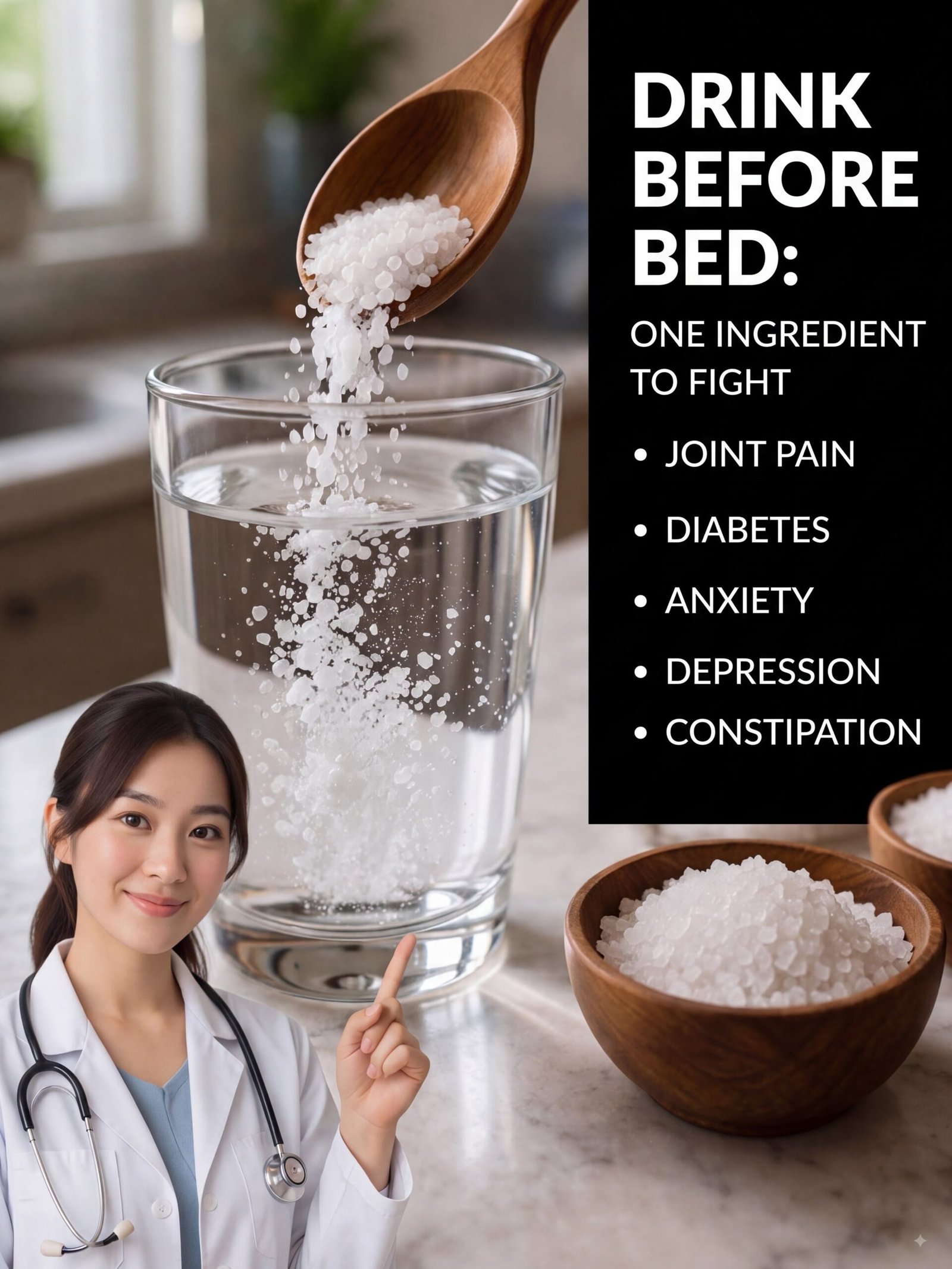
While establishing a calming evening routine can certainly enhance your overall well-being, it’s crucial to critically evaluate every ‘hack’ that goes viral. The practice of consuming salt water before bed has captured widespread attention, but it’s time to dig into the real science behind this unconventional habit.
Sodium, undoubtedly, is a vital mineral our bodies need to function correctly. However, for most individuals who are otherwise healthy, intentionally adding extra salt to your drinking water is rarely beneficial and often unnecessary. Despite popular claims, there’s no scientific evidence to suggest this practice improves sleep quality, acts as a bodily detox, or alleviates joint discomfort. On the contrary, excessive sodium intake can elevate blood pressure and pose significant health risks, especially for those with pre-existing conditions.
Let’s uncover the facts you absolutely need to know.
🧂 Decoding the Main Ingredient: Sea Salt vs. Himalayan Pink Salt
Whether you opt for sea salt or the aesthetically pleasing Himalayan pink salt, their fundamental composition remains the same: they are overwhelmingly made up of sodium chloride.
While Himalayan salt might boast trace elements of other minerals, the quantities present are typically negligible. These minuscule amounts are usually insufficient to offer any significant nutritional advantage over the diverse array of minerals you would naturally obtain from a well-rounded and balanced diet.
The primary and most crucial mineral found in all types of salt is sodium, a vital component that our bodies require for several essential physiological processes, including:
- Supporting normal nerve function
- Facilitating proper muscle contraction
- Maintaining critical fluid balance
- Regulating and maintaining healthy blood volume
Despite these critical roles, it’s important to recognize that the vast majority of people already consume adequate, if not excessive, amounts of sodium through their everyday dietary choices.
🌙 Unpacking the Hype: Why This Salt Water Trend Took Off at Night
The surge in popularity of salt-water concoctions within natural wellness circles stems from a range of compelling, yet often unsubstantiated, claims. Proponents suggest these drinks can:
- Significantly improve overall hydration
- Efficiently replenish vital electrolytes
- Promote muscle relaxation
- Aid and support healthy digestion
- Dramatically improve sleep quality
- Effectively reduce disruptive nighttime cramps
It’s crucial to approach these widespread claims with a healthy dose of skepticism and critical evaluation.
For the majority of healthy adults who maintain a balanced diet, scientific evidence does not support any established physiological need to consume salted water before bedtime.
In situations where you are already well-hydrated and your diet provides sufficient nutrients, reaching for a glass of plain water remains the most sensible and beneficial option when thirst strikes.
💧 The Hydration Myth: Does Salt Water Actually Work?
Undeniably, sodium is a key player in regulating the body’s intricate fluid balance.
While electrolyte-rich beverages certainly have their place – proving beneficial during instances of substantial fluid and electrolyte depletion due to intense physical activity, profuse sweating, bouts of vomiting, or severe diarrhea – their everyday necessity is often overstated.
However, simply stirring a teaspoon of salt into a modest glass of water can introduce a surprisingly large quantity of sodium into your system – an amount that frequently far exceeds the immediate needs of most individuals.
For the purpose of maintaining daily hydration, the combination of plain, clean water and a nutritionally balanced diet is typically all that’s required.
😴 Dreaming of Better Sleep? The Truth About Salt Water and Your Zzz’s
Despite the online buzz, the scientific community currently offers no robust evidence to support the claim that consuming salt water before bed significantly enhances sleep quality.
If you’re truly aiming for restorative sleep, consider incorporating these evidence-backed habits into your routine instead:
- Adhering to a consistent bedtime and wake-up schedule
- Ensuring your bedroom is dark, quiet, and kept at a comfortable temperature
- Strategically limiting your caffeine intake, especially in the afternoon and evening
- Minimizing exposure to blue light from screens (phones, tablets, computers) in the hours leading up to sleep
- Steering clear of large, heavy meals too close to your scheduled sleep time
- Engaging in regular physical activity throughout the day (but not right before bed)
- Actively practicing stress management techniques
Establishing a peaceful and predictable bedtime routine is undeniably beneficial for signaling to your body that it’s time to wind down. However, this effective practice certainly doesn’t necessitate the addition of salt to your evening beverage.
💪 Nighttime Leg Cramps: Is Salt Water the Solution?
Electrolytes, such as sodium, potassium, calcium, and magnesium, play crucial roles in facilitating healthy muscle function and nerve impulses.
Nevertheless, it’s important to understand that nighttime muscle cramps can stem from a wide array of underlying factors. Relying solely on salty water as a definitive treatment for these cramps is generally not a reliable or effective approach.
Should you experience frequent or particularly bothersome muscle cramps, especially if they are severe, persistent, or coincide with symptoms like swelling or weakness, it is highly advisable to consult with a healthcare professional for proper diagnosis and guidance.
🍋 A Truly Calming & Safer Alternative for Your Nighttime Ritual
If the idea of a comforting warm beverage before bed appeals to you, rest assured that you can enjoy this soothing ritual without any need to incorporate salt.
Embrace these simple, natural ingredients:
- One cup of gently warmed water
- A delicate squeeze of fresh lemon, if desired
- A touch of raw honey for subtle sweetness, purely optional
Savor this soothing concoction slowly, allowing it to become a peaceful part of your winding-down evening routine.
A gentle reminder: consuming excessive amounts of any fluid right before heading to bed can inadvertently lead to disruptive nighttime bathroom visits, ultimately interrupting your precious sleep cycle.
⚠️ Important Warning: Who MUST Be Cautious with Sodium Intake?
Introducing additional sodium into your diet can be particularly ill-advised or even dangerous for individuals currently managing certain health conditions, including those with:
- Diagnosed high blood pressure (hypertension)
- Pre-existing kidney disease
- Various forms of heart disease
- Specific liver conditions
- A medically prescribed low-sodium diet
Furthermore, individuals who are currently on certain medications may also need to diligently monitor both their sodium and overall fluid intake, as interactions can occur.
It is absolutely critical: if you are living with any medical condition or have received professional advice to limit your sodium intake, you must refrain from initiating any salt-water routine without first consulting thoroughly with your healthcare professional.
🧂 The Great Debate: Is Himalayan Pink Salt Truly Superior?
This particular belief is a widespread, yet significant, misconception.
While Himalayan pink salt does indeed owe its distinctive hue to trace quantities of various minerals, its fundamental composition remains largely and predominantly sodium chloride, just like common table salt.
Therefore, it’s crucial to understand that it should not be elevated to the status of a miraculous health drink component, nor should it be regarded as a uniquely superior or significant source of essential minerals.
Regardless of whether you choose sea salt, the popular Himalayan variety, or conventional table salt, the single most critical factor for your health remains the overall quantity of sodium you consume daily.
🌿 Proven Paths to Natural Wellness: Habits That Truly Work
Rather than placing your trust in the unproven practice of consuming salted water before sleep, shift your focus towards cultivating habits that are genuinely supported by robust scientific evidence:
🥗 Prioritize a Nutrient-Rich, Balanced Diet
Ensure your daily meals are rich in a diverse array of vegetables, fresh fruits, wholesome whole grains, beneficial legumes, various nuts and seeds, and sufficient sources of lean protein.
💧 Maintain Consistent Hydration Levels All Day
Listen to your body’s signals and drink plain water responsively, aligning with your thirst cues and unique physiological requirements.
🚶 Embrace Regular Physical Activity
Consistent and appropriate movement is fundamental, offering robust support for your cardiovascular system, muscular strength, and overall metabolic health.
😴 Cultivate a Consistent Sleep Schedule
Establishing a regular pattern of going to bed and waking up around the same time each day, even on weekends, significantly contributes to more stable and healthy sleep patterns.
🧘 Implement Evening Stress Reduction Techniques
Engaging in calming activities such as reading, light stretching, mindful breathing exercises, or simply enjoying quiet reflection can effectively help your mind and body gracefully transition into a state conducive to sleep.
🌙 The Bottom Line: Your Health, Demystified
While a simple glass of warm water can undoubtedly serve as a wonderfully comforting element in your nightly wind-down ritual, it’s crucial to reiterate that there is no scientific validation for adding salt as a method to enhance sleep, detoxify your system, or alleviate joint issues.
Sodium remains an indispensable mineral for maintaining overall health, yet the majority of individuals effortlessly acquire sufficient amounts through their regular dietary consumption. Conversely, exceeding recommended sodium levels can lead to adverse health consequences, especially for those managing specific medical conditions.
Ultimately, for the vast majority of the population, establishing a foundation of adequate plain water intake, a nutrient-dense balanced diet, consistent physical activity, and robust sleep hygiene practices offers a far more sensible and effective pathway to sustainable long-term wellness.
Please note: This article is provided for educational purposes only and should not be considered a substitute for professional medical advice, diagnosis, or treatment.