 By admin
Meta description: Guava leaves have long been celebrated in traditional hair care routines, but can these botanical wonders truly restore the natural color to grey hair? Dive into simple, effective recipes featuring guava leaves and rosemary, alongside gentle care tips tailored for mature hair.
Are you tired of seeing those first silver strands appear, yet dread the thought of harsh chemical dyes? What if a simple, natural solution like guava leaves promised to bring back your hair’s youthful vibrancy? Those first shimmering silver strands can emerge at any point in life, a perfectly natural part of our journey. While some embrace their grey hair with pride, others prefer to maintain a darker appearance without constantly resorting to permanent chemical dyes.
This is precisely where the fascination with botanical ingredients like guava leaves, rosemary, and various herbal infusions comes into play. These natural components can be easily transformed into nourishing rinses or revitalizing hair masks, offering an appealing alternative to synthetic products.
However, it’s crucial to distinguish between cosmetic hair care and the ambitious promise that a natural remedy can magically reverse the biological process of greying. Setting realistic expectations is key to appreciating what these ingredients can genuinely offer.
To be clear: scientific evidence does NOT currently support guava leaves as a method for permanently transforming white hair back to its original dark shade. It’s vital to approach such claims with a discerning eye.
Nevertheless, they can be carefully incorporated into a botanical hair care regimen, aiming for hair that looks well-maintained, feels smoother, and boasts a healthy shine. Their benefits lie more in cosmetic enhancement than a biological reversal.
🧬 Why Does Hair Turn White or Grey?
The natural color of your hair is predominantly governed by a pigment known as melanin. This essential pigment is produced by specialized cells intricately linked to your hair follicles. As we age, the body’s melanin production naturally tends to decline, leading to a visible change in hair color.
Gradually, new hair strands may emerge with significantly less pigment, causing them to appear grey, then silver, and eventually white. This is a normal, physiological change that most people experience at some point.
Genetics Play a Crucial Role
There’s no universal age when greying is destined to begin. Some individuals notice their first white hairs relatively early in life, while others manage to retain their natural color for a much longer period. Your family history can be a powerful predictor, strongly influencing when this process might start for you.
In specific instances, premature changes in hair color can also be linked to nutritional deficiencies or certain underlying health conditions. If you observe your hair greying unusually early, very rapidly, or if other symptoms accompany it, consulting a medical professional can provide valuable insights and guidance.
🍃 Why Are Guava Leaves So Popular for Hair?
Guava (Psidium guajava) is widely recognized for its delicious tropical fruits, but its leaves have a long-standing history of use in various traditional preparations, especially in wellness and beauty rituals.
These humble leaves naturally contain a rich array of polyphenols and other beneficial plant compounds.
It’s precisely this rich botanical composition that has made them a favored ingredient in homemade cosmetic recipes for hair care.
When it comes to hair, an infusion made from guava leaves is primarily considered a cosmetic rinsing treatment, rather than a deep, transformative treatment.
Depending on your hair type and how the infusion is prepared and used, you might find that your hair appears:
✨ fresher;
✨ smoother;
✨ shinier;
✨ and even easier to manage after application.
However, it’s important to remember that individual results can vary considerably.
❓ Can Guava Leaves Really Turn White Hair Black?
Here, it’s absolutely essential to maintain realistic expectations.
There is currently no robust scientific evidence to suggest that applying guava leaves to your scalp can effectively restart melanin production or reliably and permanently transform white strands into black ones.
While some herbal preparations might contain natural pigments or tannins that can subtly and temporarily alter the appearance of lighter hair strands, this effect is fundamentally different from restoring the natural pigment within the hair shaft itself.
In simpler terms, guava leaves can certainly be an interesting addition to your hair care routine, offering cosmetic benefits. However, they should not be promoted or perceived as a “miracle dye” capable of reversing the biological process of greying.
🌿 Recipe 1: Simple Guava Leaf Rinse
This method stands out as one of the simplest and most accessible ways to incorporate the potential benefits of guava leaves into your regular hair care regimen. It’s a gentle, botanical rinse that can leave your hair feeling refreshed.
Ingredients
-
a handful of fresh, clean guava leaves;
-
approximately 1 liter of water.
Preparation
Step 1: Thoroughly wash the guava leaves to remove any dust, dirt, or impurities. Cleanliness is key for a pure infusion.
Step 2: Bring approximately 1 liter of water to a boil in a clean pot.
Step 3: Add the clean guava leaves to the boiling water and allow them to simmer gently for about 15–20 minutes. This process helps extract their beneficial compounds.
Step 4: Remove the pot from the heat and let the infusion cool down completely to a comfortable temperature before use. Do not apply hot liquid to your scalp.
Step 5: Strain the liquid thoroughly to remove all leaf particles, leaving you with a clear, botanical rinse.
How to Use?
After shampooing your hair as usual, apply a moderate amount of the cooled guava leaf rinse. Gently distribute it across your scalp and along the entire length of your hair strands. Be careful to avoid direct contact with your eyes.
There’s no need to use excessive amounts or to apply this treatment daily. You can simply consider it an occasional, refreshing botanical rinse, incorporating it into your routine as often as you feel beneficial, perhaps once or twice a week.
🌱 Recipe 2: Guava Leaves and Rosemary Infusion
Rosemary is another highly acclaimed ingredient in traditional hair care, revered for its invigorating properties. Combining it with guava leaves creates a powerful botanical blend that can further enhance your hair care routine.
You can combine:
-
a few clean guava leaves;
-
a small sprig of fresh rosemary;
-
approximately 1 liter of water.
Gently simmer these ingredients together for 15–20 minutes, then allow the liquid to cool down completely.
Once cooled, strain the mixture to remove any botanical matter and apply a small amount to your hair after washing.
This delightful combination not only offers a pleasant herbal aroma but can also complement your regular scalp and hair care regimen.
However, it’s crucial to reiterate that this infusion should not be mistaken for a treatment for greying hair or hair loss, but rather a cosmetic enhancement.
🍯 Recipe 3: Gentle Guava and Honey Hair Mask
If you prefer the deep conditioning benefits of a hair mask over a rinse, you can easily create a simple yet effective variant using guava leaves. This mask aims to nourish and soften your hair.
Begin by boiling a few clean guava leaves until they become thoroughly softened. Once cooled, finely mash them into a smooth paste.
Next, incorporate a small amount of honey into the paste and mix well until you achieve a consistent texture.
Before applying the mask fully, it’s always wise to perform a patch test on a small, discreet area of your skin to check for any potential sensitivities or reactions.
If no irritation occurs, you can then gently distribute the mask onto damp hair, ensuring thorough coverage. After allowing it to sit for a short period, rinse your hair very thoroughly until all residue is removed.
The realistic goal for using this mask is to achieve hair that looks and feels more nourished, conditioned, and well-cared for, rather than expecting a permanent alteration of its natural color. It’s about enhancing hair health and appearance.
🖤 Can Natural Ingredients Make White Hair APPEAR Darker?
Sometimes, yes—but it’s vital to understand the nature of this effect correctly.
Certain plants naturally contain pigments and tannins that can leave a temporary tint on very light strands or subtly change how light reflects off the hair’s surface, creating an illusion of darker hair.
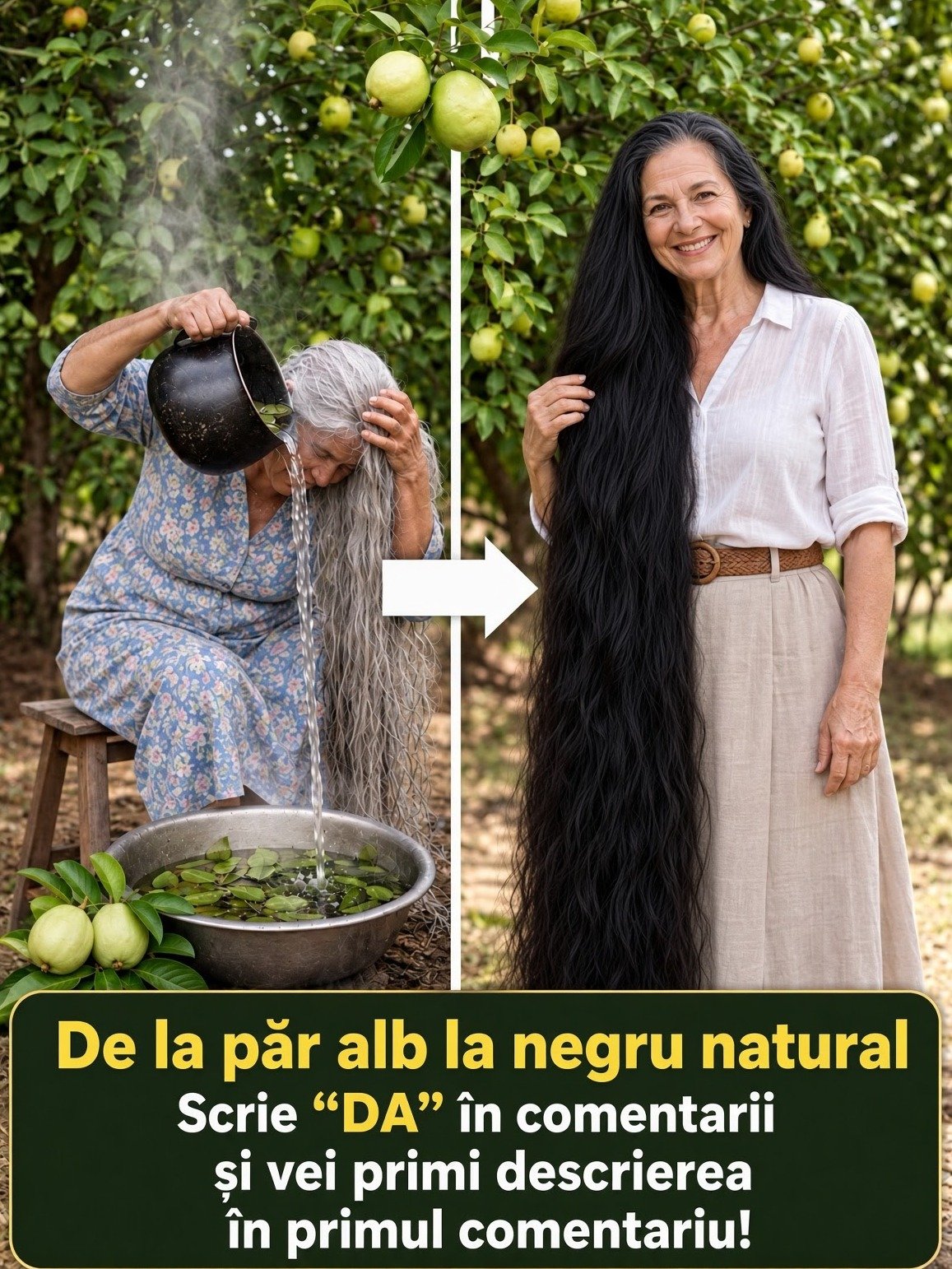
The outcome of such applications can be highly dependent on several factors, including:
-
the initial color of your hair;
-
the porosity of your hair strands (how well they absorb products);
-
the concentration of the botanical infusion;
-
the contact time;
-
the frequency of use;
-
and any products previously applied to your hair.
For some individuals, the perceived difference might be incredibly subtle, or even imperceptible.
For a noticeable and predictable change in hair color, commercially available hair coloring products are generally far more reliable and consistent than a simple herbal leaf infusion.
🥗 Healthy Hair Starts from Within
The overall appearance and health of your hair aren’t solely dependent on the products you apply topically to your scalp.
Your diet also plays a significant and often underestimated role in maintaining normal hair growth and vitality.
A well-balanced and varied diet can supply your body with essential nutrients crucial for hair health, such as:
🥚 proteins;
🥬 iron;
🌰 zinc;
🥜 copper;
🥛 vitamin B12;
🥗 and a host of other important vitamins and minerals. These are the building blocks for strong, vibrant hair.
However, this doesn’t automatically mean you should start taking supplements the moment you spot your first grey hairs.
More isn’t always better, and excessive supplementation can sometimes be counterproductive or even harmful.
If there’s a suspicion of a nutritional deficiency, accurately identifying it through professional consultation is far more beneficial than haphazardly taking multiple supplements. A doctor or dietitian can help determine if supplementation is truly necessary and guide you appropriately.
💇 Simple Habits for Healthy-Looking Mature Hair
As hair naturally ages, its texture often undergoes changes. It might become drier, more fragile, or increasingly sensitive to heat styling. Adopting a few simple yet consistent habits can significantly help in maintaining its healthy appearance and resilience.
-
wash your hair gently, avoiding aggressive scrubbing or harsh rubbing that can cause damage;
-
always use a conditioner specifically suited for your hair type to provide essential moisture and detangling;
-
limit the use of very high temperatures from blow dryers, flat irons, and curling wands, as excessive heat can weaken fragile mature hair;
-
steer clear of excessive chemical treatments like harsh dyes, perms, or relaxers that can strip hair of its natural oils and strength;
-
protect your scalp and hair from prolonged and excessive sun exposure, which can lead to dryness and damage;
-
detangle your hair with utmost care, using a wide-tooth comb or a soft brush, to minimize breakage and stress on the strands.
These gestures may seem incredibly simple, but their consistent application is what truly matters in preserving the beauty and health of your mature hair over time.
⚠️ ‘Natural’ Doesn’t Always Mean Reaction-Free
It’s a common misconception that because an ingredient is ‘natural’ or derived from plants, it’s automatically safe and free from adverse reactions. Even botanical ingredients, widely used in traditional recipes, can potentially irritate the skin of certain individuals, especially those with sensitivities.
Before you apply a new rinse or mask:
✔ always perform a patch test with a small amount of the product on a discreet skin area (like behind the ear or inner arm) before full application, to check for any allergic reactions or sensitivities;
✔ ensure you use only fresh, clean leaves, free from pesticides or contaminants, for your preparations;
✔ prepare your mixtures using clean utensils and containers to prevent bacterial contamination;
✔ allow any prepared infusion or mask to cool down completely to a comfortable temperature before applying it to your scalp or hair;
✔ be diligent in avoiding direct contact with your eyes, as botanical solutions can cause irritation;
✔ discontinue use immediately if you experience any signs of irritation, such as redness, itching, stinging, or inflammation on your scalp.
Intense itching, persistent redness, stinging sensations, or noticeable inflammation of the scalp are clear signals to stop using the product. Furthermore, significant or sudden hair loss, patches of baldness, or any unusual changes to your scalp warrant a professional medical evaluation without delay.
❓ Frequently Asked Questions
Do guava leaves turn white hair black again?
There is no strong scientific evidence to suggest that guava leaves can permanently reverse natural greying or restore lost melanin within the hair shaft.
Can I use the rinse every day?
Daily use is not necessary. Occasional application, perhaps once or twice a week, is generally sufficient to assess if this type of natural care suits your hair and scalp.
Do guava and rosemary treat hair loss?
A homemade cosmetic rinse should not be considered a treatment for hair loss. Persistent hair loss can stem from numerous underlying causes and warrants proper evaluation by a medical professional.
How long does it take for hair to appear darker?
There is no guaranteed timeframe for hair to appear darker, as guava leaves are not a proven method for permanent recoloring. Any subtle cosmetic changes, if they occur, can vary considerably from person to person.
✨ Conclusion: Natural Care, Without Miraculous Promises
Guava leaves present themselves as an accessible and intriguing ingredient for individuals who appreciate botanical hair care rituals and seek natural alternatives.
A simple guava rinse, or a blend with rosemary, can impart a refreshing sensation to the hair and contribute to a smoother, shinier appearance, depending on individual hair type.
However, what we absolutely should not promise is the permanent transformation of white hair back to a dark shade.
Greying is, fundamentally, a natural biological process intrinsically linked to the hair follicle’s pigmentation and the aging process itself.
🌿 It’s best to view guava leaves as a beneficial ingredient for enhancing general hair health and appearance, rather than a miraculous remedy against white strands.
When combined with a balanced diet, a gentle hair care routine, and adequate protection from environmental aggressors, these botanical rituals can simply become a cherished part of caring for your mature hair, helping it look its best.
🔎 SEO Keywords
guava leaves for hair, guava leaves for white hair, natural grey hair care, guava leaf rinse, guava and rosemary for hair, natural hair mask, white hair care, healthy mature hair, natural hair remedies, guava leaves hair benefits, natural scalp care
Disclaimer
This article is provided for informational and educational purposes only. The botanical recipes shared are intended for cosmetic hair care and should not be considered treatments for greying, hair loss, or scalp conditions. Cosmetic results can vary significantly from one individual to another. If you experience significant hair loss, sudden changes in hair color, or persistent scalp issues, please seek advice from a qualified medical professional.
Share this article with anyone interested in gentle, natural hair care. 🌿