 By admin
 You’ve seen the headlines, the TikToks, the ‘miracle cure’ claims: a simple blend of aloe vera and honey promising to banish cancer and diabetes forever. Everywhere you look online, from social media feeds to wellness blogs, you’re likely encountering sensational claims: “Say goodbye to cancer and high blood sugar with this natural remedy!” These bold statements often feature two ancient ingredients, aloe vera and honey, both revered in traditional practices for centuries.
But the burning question remains: can this seemingly simple combination truly conquer life-threatening diseases like cancer and diabetes?
To find the real answer, we must critically distinguish between centuries-old traditional wisdom and the rigorous scrutiny of modern scientific evidence. While both aloe vera and honey are packed with fascinating natural compounds and offer potential benefits in specific applications, it’s crucial to understand that neither ingredient, alone or combined, stands as a proven cure for complex conditions such as cancer, diabetes, or other severe health issues.
Within this comprehensive guide, we will meticulously dissect the purported advantages of both aloe vera and honey, examining what the latest research genuinely indicates, and arming you with vital safety precautions essential before incorporating them into your routine.
🌿 What Is Aloe Vera and What Is It Used For?
The striking Aloe vera plant, a succulent known for its thick, fleshy leaves, has been a cornerstone of traditional medicine across diverse cultures for its remarkable applications in skincare and broader holistic wellness.
Encased within the aloe leaf is a translucent gel, a watery matrix brimming with a rich array of naturally occurring bioactive compounds. Products derived from aloe are widely recognized and frequently applied topically, celebrated for their ability to calm minor skin irritations and provide deep hydration.
Potential Uses of Aloe Vera
Aloe vera gel may:
- Actively moisturize and hydrate the skin, enhancing its natural barrier.
- Deliver a comforting, soothing sensation to irritated or inflamed skin.
- Aid in the natural healing process of minor cuts, burns, and other skin abrasions.
- Supply a beneficial concentration of antioxidant compounds to combat free radical damage.
- Serve as a highly valued ingredient in numerous cosmetic and advanced skincare formulations.
Furthermore, certain investigations have explored the impact of oral aloe preparations on blood glucose levels, specifically within populations managing prediabetes or existing diabetes. Despite these inquiries, the scientific evidence gathered thus far is notably limited and often inconsistent, making it absolutely clear that aloe vera must never be considered a substitute for professionally prescribed diabetes treatments.
🍯 Potential Benefits of Honey
Far beyond its role as a mere natural sweetener, honey is a complex substance, boasting a rich profile of various plant-derived compounds and potent antioxidants, the exact composition of which varies significantly with its floral origin.
Intriguingly, honey has also garnered scientific attention for specific therapeutic applications, most notably its impressive utility in advanced wound care management.
Some Potential Benefits of Honey Include:
1. Soothing a Sore Throat
Honey is renowned for its ability to create a comforting, soothing coating in the throat, making it a time-honored ingredient in traditional remedies aimed at alleviating coughs and general throat discomfort.
2. Antioxidant Properties
The presence of a diverse range of antioxidant compounds significantly enriches honey’s overall nutritional and health-promoting profile.
3. Wound Care
It’s important to note that specific, medical-grade honey preparations are expertly utilized in clinical wound care settings. This specialized application should never be mistaken for or substituted with the direct application of everyday kitchen honey to open wounds.
4. Quick Source of Energy
As a natural food, honey is inherently rich in readily available carbohydrates and sugars, serving as an immediate and efficient source of energy.
Nevertheless, it’s crucial to remember that honey remains concentrated in sugar and calories, underscoring the importance of mindful portion control.
🧪 Can Aloe Vera and Honey Cure Cancer?
No.
To be unequivocally clear: at present, there exists no credible or reliable scientific evidence whatsoever to support the claim that consuming a mixture of aloe vera and honey can effectively cure cancer.
Cancer represents an incredibly intricate and diverse group of diseases, each demanding a precise diagnosis and a highly individualized treatment strategy. Depending on the specific type and stage of cancer, treatment protocols can encompass a wide range of sophisticated medical interventions, including surgery, chemotherapy, radiation therapy, immunotherapy, targeted therapy, hormone therapy, and other advanced approaches.
While individual compounds found in natural ingredients may sometimes be the subject of scientific investigation for their potential supportive roles or specific biological effects, this is fundamentally distinct from proving that a simple, homemade beverage possesses the power to eliminate cancer.
It is imperative that you never delay, alter, or replace any prescribed cancer treatment with an unproven home remedy.
🩸 Can Aloe Vera and Honey Lower Blood Sugar?
Approaching this particular topic demands an exceptionally high degree of caution and scrutiny.
While certain research initiatives have explored whether specific oral aloe preparations might exert an influence on blood glucose levels, the existing evidence is simply not robust or consistent enough to warrant considering aloe vera a viable treatment for diabetes.
Conversely, honey introduces a direct and significant concern: it is inherently rich in substantial amounts of natural sugars, which can undeniably elevate blood glucose levels.
For these critical reasons, promoting a mixture of aloe vera and honey as a proven or effective method for managing diabetes is entirely unfounded and potentially misleading.
If you are currently living with diabetes or are taking any medication designed to lower blood glucose, it is absolutely essential to consult your healthcare professional before considering the regular consumption of any aloe products.
🥤 A Simple Aloe Vera and Honey Drink
Should you be interested in incorporating these natural ingredients into a general wellness routine, it is paramount to exercise extreme caution, especially when handling fresh aloe vera directly from the plant.
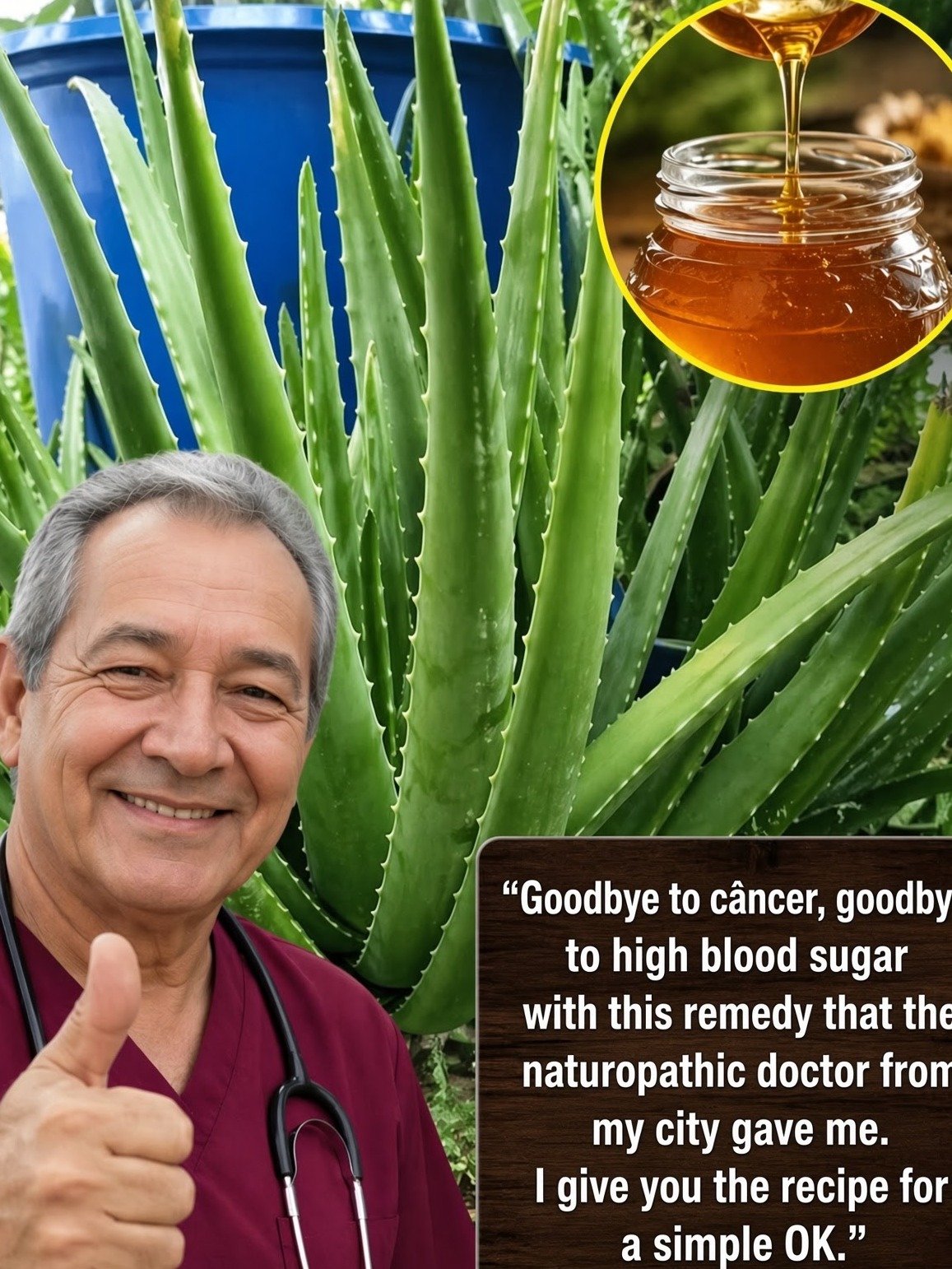
Beneath the outer skin of the aloe leaf lies a yellow latex, which contains potent compounds like aloin. Oral consumption of this latex can trigger unpleasant side effects such as abdominal cramps, diarrhea, and other significant digestive discomforts.
Therefore, for your safety, it is strongly advised against simply blending an entire aloe leaf into a beverage.
A Safer Approach
When considering oral consumption of aloe, always opt for a commercial aloe vera product that is explicitly labeled and formulated for internal use, strictly avoiding any homemade preparations that might inadvertently include the leaf’s outer layers or the latex.
Once you have a suitable product, diligently follow the manufacturer’s specific preparation and serving guidelines to ensure safe consumption.
For instance, a straightforward and pleasant wellness beverage might typically include:
- A carefully selected, food-grade aloe vera product
- Purified water, serving as the primary liquid base.
- A modest quantity of honey, added purely for taste preference if desired.
- A hint of fresh lemon juice, to enhance the flavor profile.
Important
It is absolutely crucial to understand that this beverage, or any similar concoction, serves merely as a general food or wellness drink. Under no circumstances should it be considered a treatment, cure, or substitute for medical care for cancer, diabetes, high blood pressure, or any other serious health condition.
⚠️ Important Aloe Vera Safety Information
It’s vital to recognize that not every component of the aloe plant is safe or appropriate for human consumption.
The transparent, viscous gel found within the leaf’s core is distinctly different from the yellow, bitter latex layer situated just beneath the outer skin.
When consumed orally, certain aloe products, particularly those containing latex, have the potential to induce:
- Unpleasant abdominal cramps and spasms.
- Episodes of diarrhea, potentially severe.
- General digestive discomfort and upset.
- Significant electrolyte imbalances, particularly with excessive or prolonged intake.
Furthermore, aloe vera has the potential to interact adversely with various prescription medications.
Exercising heightened caution is especially prudent if you:
- Are currently undergoing treatment for diabetes with medication.
- Are prescribed diuretics, which affect fluid balance.
- Are taking any medications for heart conditions.
- Are on any drugs known to influence potassium levels in the body.
- Are pregnant or currently breastfeeding.
- Suffer from kidney disease or other pre-existing chronic health conditions.
If you ever find yourself uncertain, it is always best to seek guidance from a qualified healthcare professional before making the regular consumption of aloe products a part of your routine.
🍯 What About Honey and Diabetes?
Characterizing honey as merely a ‘healthy sugar’ can be profoundly misleading and oversimplified, potentially obscuring important nutritional facts.
While honey indeed contains beneficial antioxidant compounds and may possess certain unique biological properties, its fundamental composition remains primarily a concentrated source of carbohydrates and various sugars.
For individuals managing diabetes, incorporating honey into a beverage will inevitably increase its total carbohydrate content, which can directly and significantly impact blood glucose levels.
Rather than fixating on a simplistic ‘good’ or ‘bad’ label for honey, it’s far more productive to consider the following crucial factors:
- The precise portion size consumed.
- Your overall daily carbohydrate intake from all sources.
- The broader context of your entire dietary pattern.
- Your body’s unique and individual response to blood glucose fluctuations.
- The specific medical treatment plan that has been prescribed for your condition.
🌱 Natural Does Not Always Mean Risk-Free
A fundamental and often overlooked truth about natural remedies is this vital principle: the term ‘natural’ does not inherently equate to being safe, harmless, or universally effective.
All plants are composed of biologically active compounds. While these compounds certainly hold the potential for beneficial effects, they equally carry the risk of inducing adverse side effects or interacting dangerously with prescribed medications.
This exact principle applies with equal weight and importance to both aloe vera and honey.
A natural ingredient can serve as a valuable food source or a cherished traditional remedy, yet this does not elevate it to the status of a medically proven treatment or cure.
Aloe Vera vs. Honey: What Does the Evidence Suggest?
| Ingredient | Potential Uses | Important Consideration |
|---|---|---|
| Aloe vera gel | Topical skin hydration, soothing minor irritations. | Oral efficacy is largely unproven and highly dependent on safe preparation. |
| Aloe latex | Historically used for its laxative properties. | Poses significant risks of diarrhea and severe electrolyte imbalances. |
| Honey | Provides relief for sore throats, utilized in specific medical wound care. | Contains high levels of sugar, requiring careful consumption, especially for diabetics. |
| Aloe + honey | Valued as a traditional wellness drink. | Absolutely no scientific evidence supports its ability to cure cancer or diabetes. |
🌿 How to Use Natural Remedies Responsibly
While natural ingredients can undoubtedly enhance and complement a healthy lifestyle, it is critical to understand that they should never, under any circumstances, replace evidence-based medical care and professional treatment.
Adopting a truly balanced and effective approach to wellness involves integrating several key pillars:
Eat a Nutrient-Rich Diet
Prioritize a diverse array of fresh vegetables, vibrant fruits, hearty whole grains, nutrient-dense legumes, wholesome nuts, beneficial seeds, and high-quality protein sources.
Stay Physically Active
Consistent physical activity is paramount for fostering robust cardiovascular health, optimizing metabolic functions, and significantly enhancing overall physical and mental well-being.
Get Enough Sleep
Achieving consistent, high-quality sleep is an indispensable component for effectively maintaining both optimal physical vitality and sound mental health.
Follow Medical Advice
For individuals diagnosed with diabetes, cancer, hypertension, or any other chronic medical condition, it is absolutely vital to continue with all prescribed medical monitoring and diligently adhere to your established treatment plan.
Be Careful With Concentrated Supplements
It’s important to be aware that natural extracts and dietary supplements often contain compounds in concentrations far greater than those found in the original whole foods they are derived from.
Final Thoughts
Aloe vera and honey stand as fascinating natural ingredients, each boasting extensive histories of traditional application across various cultures. Aloe vera demonstrates potential utility, primarily in specific topical skincare contexts, while honey is widely celebrated for its culinary versatility and recognized for certain medical applications, particularly in wound care.
Despite their individual merits, it is crucial to reiterate that widespread claims suggesting this combination can ‘cure cancer,’ ‘eliminate diabetes,’ or serve as a replacement for conventional medical treatment are entirely unsubstantiated by any reliable scientific evidence.
Should you choose to enjoy aloe vera or honey, do so thoughtfully, ensuring you use them in their appropriate forms and in measured amounts. Above all, never permit an appealing or viral ‘natural remedy’ claim to deter or delay you from seeking proper medical diagnosis and evidence-based treatment when it is needed.
True natural wellness thrives and is most effective when it thoughtfully complements, rather than attempts to replace, the foundational principles of evidence-based healthcare.