 By admin
Meta Title: Chayote Benefits: Nutritional Value, Uses, and Easy Preparation Methods
Meta Description: Discover what chayote is, its key nutrients, and simple ways to incorporate it into soups, salads, and daily meals for a balanced diet.
What if the secret to feeling better, lighter, and more energized wasn’t some complex diet or expensive supplement, but a simple, unassuming vegetable hiding in plain sight?
Chayote (Sechium edule) is precisely one of these unsung heroes of the kitchen. Revered for generations in traditional cooking, this humble squash-family member is packed with water, boasts a delightfully mild flavor, and blends effortlessly into a myriad of dishes, from comforting soups to hearty stews.
Let’s be clear: chayote isn’t a miraculous cure-all for joint pain, swollen ankles, or circulatory issues. Instead, it stands as a genuinely nutritious and low-calorie vegetable, offering a fantastic way to diversify your diet and support overall wellness.
What Exactly is Chayote?
Chayote, a fascinating plant belonging to the squash family, traces its origins back to the lush landscapes of Central America. Its fruit typically takes on a pear-like shape, sporting a vibrant green skin and a light-colored, tender pulp.
Depending on where you are in the world, you might also hear it referred to by other names such as vegetable pear, mirliton, or choko.
When eaten raw, chayote offers a subtly crisp texture and an incredibly mild, almost neutral taste. Once cooked, it transforms into a soft, tender delight that readily absorbs the rich flavors of spices and other ingredients it’s paired with.
What Nutrients Does Chayote Offer?
Composed primarily of water, chayote is a nutritional powerhouse that brings several valuable nutrients to a diverse diet, including:
- Vitamin C;
- Folate;
- Potassium;
- Dietary Fiber;
- Various plant compounds with antioxidant properties.
Moreover, it’s naturally low in fats and sodium, making it a stellar choice for health-conscious eaters.
This impressive nutritional profile makes chayote an ideal ingredient for countless dishes where you want to boost your vegetable intake without adding unnecessary heaviness to your meal.
Chayote and Joint Comfort: Separating Fact from Fiction
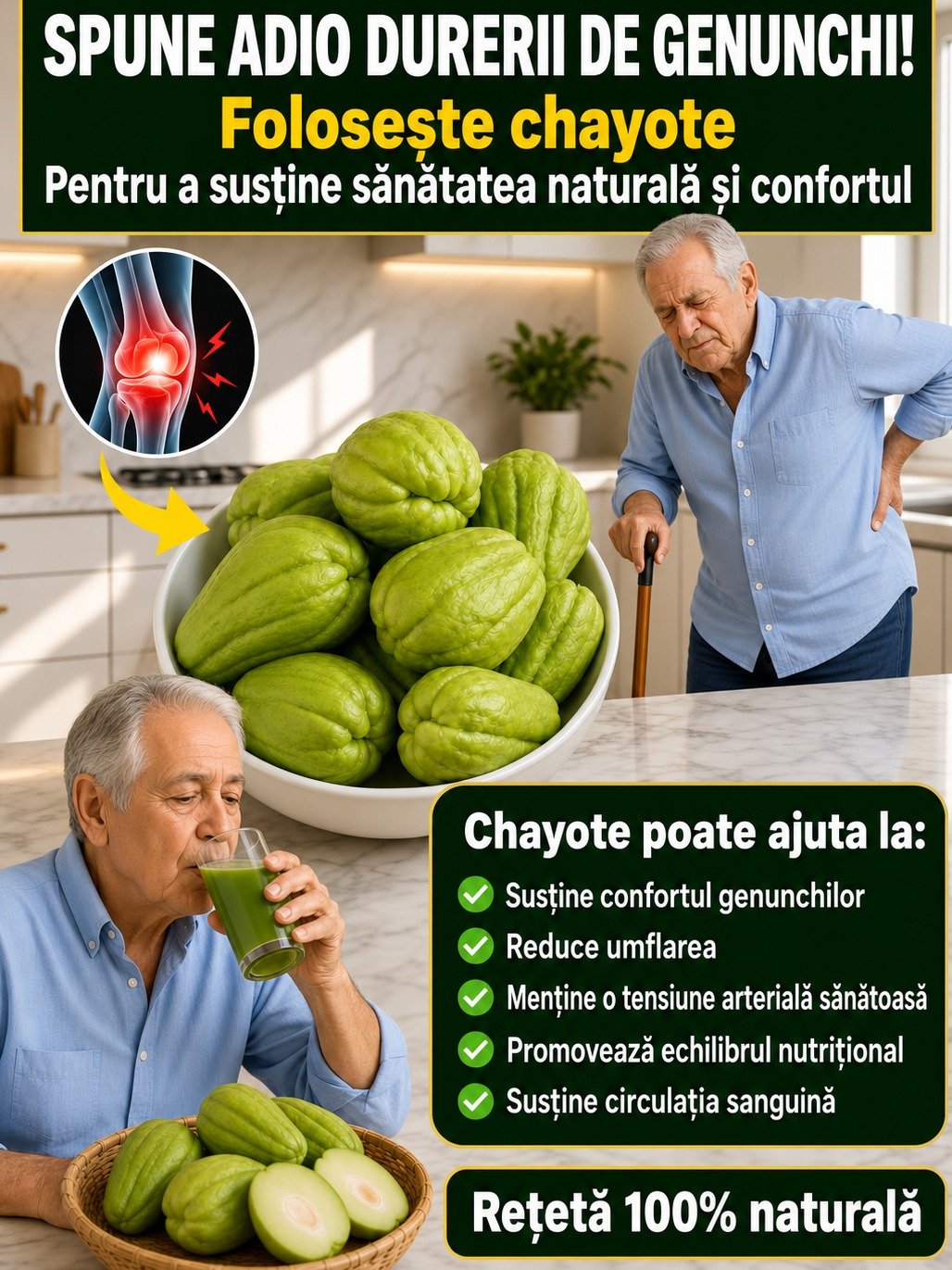
Online, chayote sometimes gets an exaggerated reputation, touted as a direct remedy for knee pain or joint discomfort. However, such claims tend to overstate its actual capabilities.
A diet rich in a variety of vegetables, fruits, and other plant-based foods naturally supplies antioxidants and essential nutrients that are crucial for overall health and well-being. Chayote fits perfectly within this healthy eating paradigm.
While incorporating more vegetables into your diet can certainly be beneficial if you experience mild stiffness after prolonged sitting, it’s vital to remember that chayote is not a substitute for physical activity, professional physiotherapy, or any prescribed medical treatment for an existing joint condition.
What About Swollen Feet or Ankles?
Chayote is remarkably high in water content, rich in potassium, and naturally low in sodium.
Potassium, an essential mineral, plays a critical role in numerous bodily functions, including maintaining fluid balance and ensuring proper muscle and nerve function.
This unique composition likely contributes to chayote’s reputation as a “light” food in certain traditional culinary practices.
Nevertheless, persistent swelling in the feet or ankles should never be self-treated with a specific food or homemade remedy. This symptom can stem from various underlying causes and warrants a discussion with a medical professional, especially if it appears suddenly or is accompanied by other concerning symptoms.
Chayote in a Heart-Healthy Diet
Instead of seeking a single “miracle food” to “fix” blood pressure, a more effective approach is to consider your entire dietary pattern.
Meals that regularly feature vegetables and fruits while limiting excessive sodium intake are far more conducive to a balanced and heart-friendly lifestyle.
Chayote, with its potassium content and naturally low sodium, seamlessly integrates into a menu focused on minimally processed foods, making it an excellent choice for supporting cardiovascular health.
However, it is crucial to understand that chayote must never be used to replace prescribed blood pressure medications or the specific recommendations provided by your doctor.
Fiber for Digestion and Everyday Meals
Another straightforward benefit offered by vegetables like chayote is their valuable contribution of dietary fiber.
Dietary fiber is essential for maintaining a healthy digestive system and, as part of a varied diet, can significantly support both metabolic and cardiovascular health.
Chayote pairs wonderfully with other fiber-rich foods such as legumes, whole grains, fruits, and other vegetables, creating a truly nutrient-dense meal.
You don’t need to consume it daily to reap these benefits. The key to optimal nutrition lies in dietary variety, rather than focusing excessively on any single food item.
Circulation and Energy: What Chayote Can and Cannot Do
A vegetable that’s high in water, like chayote, naturally contributes to your overall fluid intake, while its potassium content is a vital mineral for normal bodily functions.
However, healthy circulation is a complex process influenced by a multitude of factors: regular physical activity, adequate hydration, a balanced diet, smoking habits, body weight, and any existing medical conditions.
If you frequently experience very heavy legs, persistently cold extremities, unusual fatigue, or noticeable skin changes, it is far more appropriate to seek a professional medical diagnosis for the underlying cause rather than relying on a homemade chayote drink.
The Power of Folate and Vitamin C
Chayote is also a good source of folate, a crucial nutrient involved in essential bodily processes such as normal cell formation.
Furthermore, Vitamin C plays numerous vital roles throughout the body, including its ability to enhance the absorption of iron from plant-based sources when consumed together in a meal.
It’s important to clarify that this does not imply chayote can treat anemia. In the case of an iron deficiency or a diagnosed anemia, the cause and appropriate treatment must be determined by a healthcare professional.
How to Easily Prepare Chayote at Home
You don’t need a complicated recipe to enjoy this versatile vegetable. Here’s a simple method:
Ingredients
- 1 medium-sized chayote;
- 2–3 cups of water;
- Optional: a squeeze of fresh lemon juice after cooking.
Preparation Steps
- Begin by thoroughly washing the chayote.
- Peel the chayote and cut it into small, manageable pieces.
- Place the cut pieces into a pot with water and gently boil them for approximately 10–15 minutes, or until they become tender.
- Allow the cooked chayote to cool slightly.
- You can enjoy the tender pieces as they are, or you can mash them with a portion of the cooking water to create a smoother consistency.
Remember, consuming the entire cooked vegetable, rather than just drinking the liquid, ensures you benefit from its valuable dietary fiber content.
Does It Have to Be Consumed in the Morning?
There’s no scientific evidence to suggest that chayote becomes more beneficial when consumed on an empty stomach or at a specific time of day.
It can simply be incorporated into any regular meal, just like any other vegetable.
Furthermore, there’s no guaranteed “7-day” timeframe after which specific results are expected to magically appear. The positive effects of nutrition on health are generally built through consistent, healthy habits and the overall quality of your diet over time.
5 Simple Ways to Enjoy Chayote
Chayote’s incredibly mild flavor makes it exceptionally versatile in the kitchen. Here are some easy ways to try it:
- Boiled or steamed with a touch of garlic and aromatic herbs;
- Added to your favorite chicken or vegetable soup for extra substance and nutrients;
- Lightly sautéed alongside other fresh vegetables for a quick side dish;
- Finely sliced into a fresh salad, especially when it’s young and tender;
- Combined with zucchini, carrots, and fresh greens to create a delicious and healthy garnish.
By exploring these simple methods, you can effortlessly integrate chayote into your diet without feeling the need to transform it into a “medicinal drink.”
Who Should Be More Cautious?
For most individuals, consuming chayote as a regular food is perfectly safe and beneficial. However, there are specific situations where significant changes to potassium or fluid intake should always be discussed with a medical professional.
It is always prudent to seek personalized medical advice if you have kidney conditions, issues related to potassium balance, persistent edema (swelling), or if you are currently taking medications such as certain diuretics or other drugs that could influence your potassium levels.
Simple Habits Matter Most
Chayote doesn’t need to be the absolute star of your diet to be incredibly useful.
A plate filled with a variety of vegetables, fewer highly processed and salty foods, sufficient water intake, and diverse meals holds far greater importance than any single viral recipe.
Combine these principles with regular physical activity, adequate sleep, and necessary medical care, and chayote naturally finds its rightful place as a valuable food, not a treatment.
Conclusion
Chayote is a simple, hydrating, and remarkably versatile vegetable, delivering essential nutrients like potassium, Vitamin C, folate, fiber, and various beneficial plant compounds.
It can be effortlessly enjoyed in soups, salads, side dishes, or cooked preparations, making a wonderful contribution to the diversity of a balanced diet.
However, we must refrain from attributing promises to it that a single food simply cannot fulfill. It won’t magically eliminate knee pain, cure swollen feet, or replace prescribed treatments for high blood pressure or other medical conditions.
Sometimes, the best way to utilize a traditional ingredient is also the most straightforward: cook it, savor it, and let it be one of many nourishing vegetables in your rich and varied diet.
Note: This article is intended for informational purposes only and does not constitute medical advice. If you are experiencing persistent symptoms, have a kidney or cardiovascular condition, or are on regular medication, please consult with a medical professional before making any significant dietary changes.