 By admin
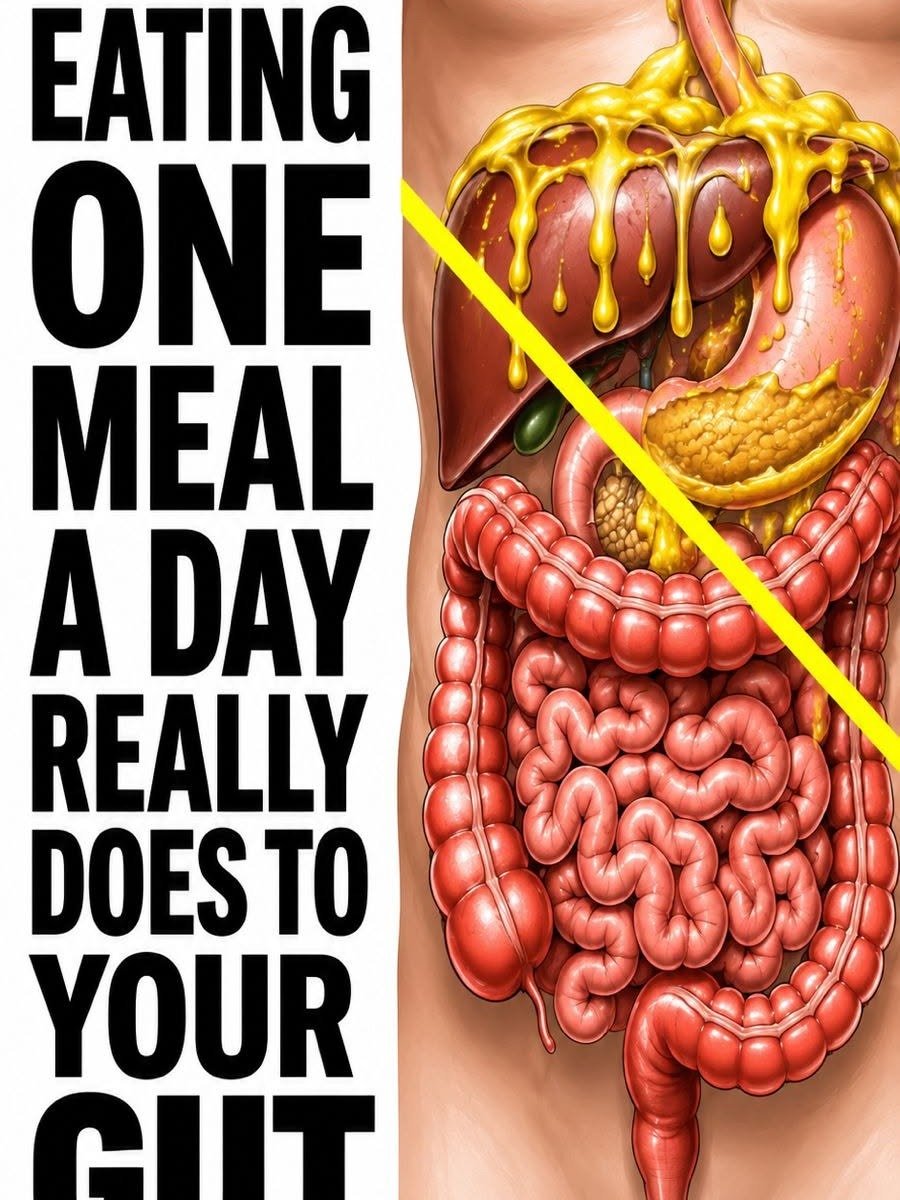
 The concept of eating just once a day sounds incredibly alluring—no more stressing over breakfast, no midday lunch rushes, and zero snacking guilt. Known as OMAD (One Meal a Day), this extreme form of intermittent fasting promises simplicity. However, if you are over 60, your body’s requirements have shifted significantly since your younger years. Factors like digestion, muscle maintenance, blood sugar stability, and even how you time your medications behave differently now. Before you commit to cramming all your daily nutrition into a single window, you need to understand how this radical change impacts your gut health and overall well-being.
1. Your Gut Enjoys a Longer Rest Between Meals
Fasting is often praised for giving the digestive tract a much-needed vacation. When you aren’t constantly processing food, your stomach and intestines shift into a “housekeeping” mode, completing essential cycles that clear out debris and prep for the next meal. Emerging research is currently examining how these fasting windows influence the gut microbiome—the bustling community of bacteria in your intestines. While early data suggests that limiting your eating window might alter microbial diversity, we are still uncovering exactly what these shifts mean for long-term health in older adults.
Many people who ditch the constant grazing find that their bloating subsides, leading to a calmer, happier stomach. However, there is a massive gap between eating within an eight-hour window and forcing your entire day’s caloric load into one sitting. While your gut may appreciate the downtime, it might also revolt when it is suddenly hit with a massive, high-pressure workload.
2. A Single Giant Meal Gives Your Stomach A Lot To Do
Consider the sheer volume your digestive system must handle during an OMAD meal: proteins, vegetables, complex carbs, fats, fiber, and perhaps a treat, all washed down with liquids. While some handle this fine, many older adults find that one massive meal triggers uncomfortable bloating, reflux, gas, or a lingering sense of heavy fullness.
If you already struggle with slow digestion or heartburn, a “jumbo” meal will likely exacerbate these symptoms. Medical experts point out that delayed stomach emptying often leads to nausea and significant abdominal discomfort. While eating slowly and choosing easily digestible foods can help, the sheer volume required to meet your nutritional needs in one go is often just too much for an aging digestive system to process efficiently.
3. Your Bowel Habits May Shift
Your intestines respond instantly to the intake of food, often triggering a natural reflex in the colon. If you are used to a three-meal-a-day schedule and suddenly switch to one, you can expect your bowel habits to fluctuate. Some find they go much less frequently, while others feel an intense, urgent need to go immediately after their lone daily feast. If your meal lacks sufficient fiber or hydration, you may also face issues with constipation.
The quality of your plate is the deciding factor here. A meal consisting of refined carbs and heavy proteins is vastly different from one packed with fiber-rich beans, greens, and fruits. While fiber is great for regularity, consuming your entire day’s fiber requirement in one sitting can be a recipe for significant digestive distress.
4. Protein Needs Get Harder To Meet In One Sitting
After age 60, preserving muscle mass is non-negotiable for maintaining your independence, balance, and bone health. Meeting your daily protein quota is vital, but doing it in a single meal is surprisingly difficult, especially if your appetite has naturally waned. Nutrition experts are increasingly concerned that even if you hit your total protein numbers, your body may not synthesize that protein as effectively if it isn’t spaced out throughout the day.
The real risk with OMAD isn’t just hunger; it is nutrient deficiency. If you find yourself filling up quickly, trying to squeeze all your vitamins, minerals, and proteins into one sitting often means you end up falling short. Over time, this nutritional gap can lead to muscle loss and a decline in your overall strength and vitality.
5. Blood Sugar Patterns Can Swing More Dramatically
Prolonged fasting followed by a massive caloric influx causes blood sugar spikes that are far more intense than those resulting from smaller, balanced meals. If you have diabetes or take medications that affect your blood sugar, this pattern can be dangerous. Health professionals strongly advise against switching to OMAD without medical supervision if you are managing insulin or other glucose-lowering drugs.
Furthermore, your medication schedule is likely optimized for your current eating habits. Shifting your meal times can drastically change how your body absorbs drugs or how they interact with your stomach lining. Always consult with your pharmacist or physician before making any drastic changes to your daily eating rhythm.
6. Your Gut Bacteria May Shift With Timing And Food Quality
Your gut microbiome is highly sensitive to both the timing of your meals and the specific foods you ingest. While fasting can trigger changes in microbial composition, the most important factor is still the nutrient density of your plate. A meal filled with processed foods will not support a healthy, diverse microbiome, regardless of how long you fasted beforehand. To truly nurture your gut, your single meal must be a powerhouse of fiber, plant compounds, and varied nutrients.
7. Hunger Signals Often Ramp Up Before They Settle Down
Your body has spent years developing a predictable rhythm for hunger. When you suddenly cut out meals, your hunger hormones will likely surge at the times you used to eat. While some people adapt, others find themselves mentally obsessed with food throughout the day, leading to extreme hunger by the time their “one meal” finally arrives.
This level of hunger makes it nearly impossible to eat mindfully. When you rush to inhale a large meal after a long fast, you often overshoot your fullness cues, leading to severe discomfort before your brain even realizes you’ve had enough. For seniors already prone to digestive issues, this creates an exhausting, unpleasant cycle every evening.
8. Weight Loss Can Happen, But Muscle Loss Can Tag Along
OMAD often leads to weight loss simply because you have less time to eat, which naturally reduces your total calorie intake. However, for those over 60, rapid weight loss is a double-edged sword. You don’t want to lose muscle along with the fat, as this can severely impact your mobility and daily confidence. If the scale drops but your energy levels crater, you are losing more than just weight.
Additionally, as we age, our thirst cues and taste buds can change. Many older adults find it physically challenging to consume enough calories in one sitting, making OMAD a poor choice for those who need to maintain steady energy levels throughout the day.
9. Meeting Fiber Goals In One Meal Is A Tall Order
Achieving your daily fiber goals is essential for longevity and gut regularity, but fitting a full day’s worth of vegetables, beans, and grains onto one plate is a daunting task. If you succeed, you are likely consuming a massive volume of food that can lead to excessive gas and bloating. Most older adults find it significantly easier and far more comfortable to spread their fiber intake across several meals.
10. Medication Timing May Be The Deciding Factor
Many common medications require food to be absorbed correctly, or they must be taken at specific intervals throughout the day. By collapsing your eating window into one hour, you may be compromising the effectiveness of your prescriptions or increasing the risk of stomach irritation. Never gamble with your medication schedule; if you are on multiple prescriptions, talk to your pharmacist before attempting a one-meal lifestyle.
Is OMAD Better Than A More Traditional Intermittent Fasting Schedule?
Not necessarily. Many experts prefer a more moderate time-restricted window, such as eating within an eight-hour period that allows for two or three smaller meals. This provides the digestive rest you’re looking for while still giving your body multiple opportunities to get adequate protein and fiber. Many people find this “middle ground” much more sustainable than the intensity of OMAD.
Alternatively, simply extending your overnight fast—by finishing dinner earlier and skipping late-night snacks—can offer massive health benefits without the physical strain of compressing your entire day’s nutrition into a single, overwhelming meal.
Who Should Approach One-Meal-A-Day Eating With Extra Caution?
If you have diabetes, kidney or heart disease, a history of fainting, or significant digestive issues, OMAD is likely not for you. This approach is not a universal solution, and for many seniors with medical conditions, it can be downright dangerous. If you are curious about fasting, please do so under the guidance of a healthcare professional who can help you adjust your medication and monitor your nutritional status.
A Kinder, Easier Alternative After 60
You don’t need to eat from dawn to dusk, but you also don’t need to starve yourself for 23 hours a day. A simple 12–14 hour overnight fast—finishing dinner in the early evening and eating breakfast in the morning—is often enough to support metabolic health while being gentle on your gut and your medication schedule. Prioritize high-quality protein, fiber-rich vegetables, and healthy fats at each meal to keep your energy levels consistent and your muscles strong.
A Simple Gut-Friendly Meal Idea
If you prefer fewer meals, focus on nutrient density. A perfect example would be a plate of baked salmon (for healthy omega-3s and protein), a side of cooked lentils (for fiber), roasted cauliflower and carrots, and a small portion of whole grains. Pair this with a dollop of Greek yogurt or a side of berries for a meal that hits all your nutritional marks without being overly burdensome on your digestive system. Whether you choose fish, tofu, or a hearty bean stew, remember that the goal is nourishment, not just weight loss.
The Bottom Line
Eating one meal a day isn’t a magic bullet for gut health, and for many over 60, it introduces more problems than it solves. The logistics of hitting your protein, fiber, and hydration targets while managing medications make OMAD a risky, often unnecessary, extreme. Your body thrives on steady, consistent nourishment. By focusing on nutrient-dense meals and a sensible overnight fasting window, you can support your gut, protect your muscle mass, and maintain your energy without the stress of rigid, one-meal extremes.