 By admin
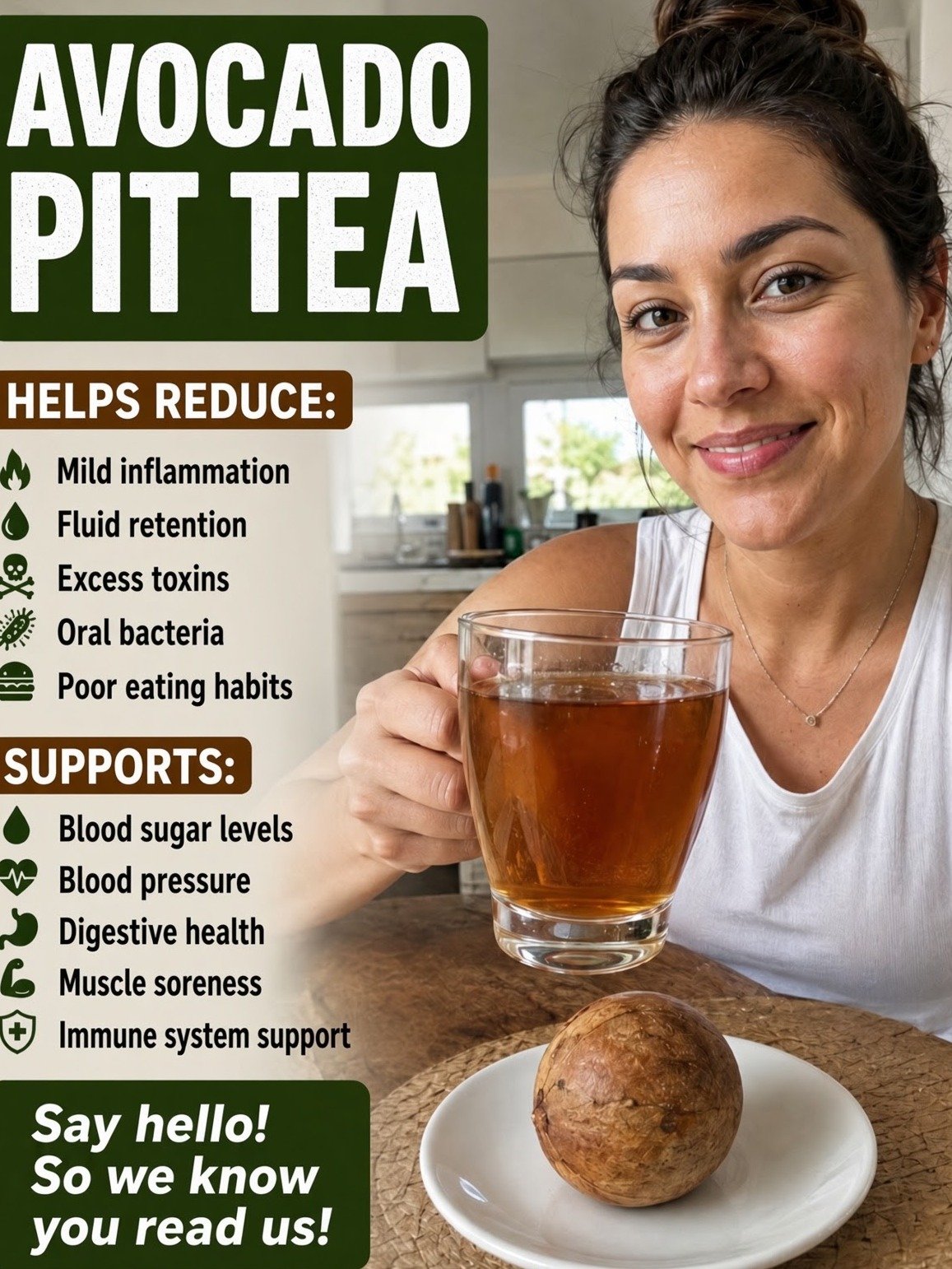
 We all know avocados are nutritional powerhouses, but most of us toss the seed straight into the trash without a second thought. Recently, however, social media has been buzzing with claims that brewing a tea from these discarded pits can fight inflammation, crush blood sugar spikes, and even detoxify your body. But before you start boiling your food scraps, let’s look at the science to see if this trend is actually legit.
While it is true that avocado seeds contain fiber, starch, polyphenols, and other plant compounds that show antioxidant potential, there is a massive gap between test-tube results and human health benefits. Currently, we lack sufficient clinical data to back up the “miracle remedy” status this trend has earned online.
🌱 What Nutrients and Compounds Are Found in Avocado Seeds?
Avocado pits are packed with several naturally occurring bioactive compounds, including:
- Fiber
- Starch
- Polyphenols
- Phenolic compounds
- Antioxidants
- Various bioactive plant chemicals
Researchers have studied these compounds in laboratory settings for their potential to combat oxidative stress and inflammation.
However, it is crucial to understand that just because a compound shows activity in a controlled laboratory experiment, it does not mean that consuming it will yield the same health-boosting effects in the human body.
We still need rigorous clinical research to establish safe dosages, figure out how these compounds are absorbed, and understand the long-term safety of regularly consuming avocado seeds.
🍵 What Is Avocado Seed Tea Traditionally Used For?
In various traditional medicinal circles, people have brewed avocado seed tea as a folk remedy for digestive issues, bloating, and general health maintenance.
It is important to remember that these traditional habits are not synonymous with medically verified health claims.
Currently, there is no reliable clinical evidence to suggest that drinking this tea can:
- Lower blood glucose levels
- Manage high blood pressure
- “Detoxify” your internal organs
- Boost your immune system
- Reduce systemic inflammation
- Ease muscle pain
- Act as a cure for chronic illness
Your body is already equipped with its own incredibly sophisticated, high-performance detoxification system—your liver, kidneys, lungs, and digestive tract. No herbal tea is a substitute for the complex work these organs perform every single day, nor can it replace professional medical care.
🥑 How Is Avocado Seed Tea Traditionally Prepared?
If you are curious about the process, the traditional preparation involves a simple infusion of the seed in boiling water.
Ingredients
- 1 avocado seed, thoroughly cleaned and washed
- 1 liter of water
Preparation
- Carefully wash the avocado seed to remove any remaining pulp.
- Use caution when cutting the tough seed into smaller pieces.
- Add the pieces to a saucepan filled with about 1 liter of water.
- Bring the water to a rolling boil.
- Allow the mixture to simmer for roughly 10 minutes.
- Remove from the heat and let the liquid cool down.
- Strain the tea thoroughly before drinking.
⚠️ An Important Note About This Recipe
Keep in mind that this is a folk recipe and not a scientifically vetted medical treatment.
Boiling the pit does not guarantee the elimination of potentially harmful compounds, and there is absolutely no scientifically established “safe” dosage for human consumption. Because of these unknowns, anyone thinking about making this a habit should consult with a doctor or a registered dietitian first.
⚠️ Can Avocado Seeds Be Harmful?
Safety is the single biggest reason for hesitation regarding this trend.
Studies using concentrated extracts from avocado seeds have flagged potential toxicity issues at certain levels. While we don’t have enough data to define the exact safety threshold for humans drinking the tea, these warnings serve as a red flag that frequent or concentrated consumption carries unknown risks.
Furthermore, the concentration of active plant chemicals varies wildly based on:
- The specific variety of the avocado
- The ripeness of the fruit
- The method used to process the seed
- Drying techniques
- How the tea is actually brewed
- The total amount consumed
Because of this unpredictability, there is currently no way for a home brewer to ensure they are consuming a safe amount.
🚨 Who Should Be Especially Careful?
You should absolutely avoid experimenting with avocado seed tea without explicit clearance from your healthcare provider if you fall into any of these categories:
- You are pregnant or nursing
- You are preparing drinks for children
- You have existing kidney or liver conditions
- You are managing cardiovascular disease
- You have gastrointestinal issues
- You take medication to control diabetes
- You are on blood pressure medication
- You are taking blood thinners or anticoagulants
The potential for harmful drug interactions and long-term health effects remains poorly understood.
If you drink the tea and experience nausea, vomiting, stomach pain, diarrhea, skin itching, swelling, or respiratory issues, stop immediately and seek medical attention.
🥑 Is Avocado Pulp a Better Choice?
If you want to maximize your nutrition, the edible flesh of the avocado is the proven winner.
The pulp is packed with:
- Healthy dietary fiber
- Heart-healthy unsaturated fats
- Potassium
- Folate
- Vitamin K
- An array of essential vitamins and minerals
It is incredibly easy to add to your daily meals, whether in smoothies, salads, or as a spread on toast.
Unlike the experimental use of the seed, eating the pulp has a long, well-documented history of safety and nutritional benefits. While it isn’t a “magic cure,” it is a practical and scientifically supported way to improve your overall health.
🔬 Avocado Seed vs. Avocado Pulp
| Feature | Avocado Seed | Avocado Pulp |
|---|---|---|
| Commonly eaten | No | Yes |
| Fiber | Contains fiber | Great source |
| Plant compounds | Contains various compounds | Rich in nutrients and phytochemicals |
| Human research | Limited | Extensive |
| Established household dosage | No | Normal food portions |
| Main role | Research and traditional use | Nutritious food staple |
🌿 Should You Drink Avocado Seed Tea?
At the end of the day, there is not nearly enough evidence in humans to recommend avocado seed tea as a valid health treatment.
Although laboratory studies reveal interesting compounds, that doesn’t mean your homemade infusion will fix your blood sugar, lower your blood pressure, or act as a detox agent. Remember: “Natural” is not always synonymous with “safe.”
If you want to improve your digestion, cardiovascular health, or blood sugar, your best bet is sticking to the basics: a balanced diet, regular exercise, proper sleep, and proven medical care.
Frequently Asked Questions About Avocado Seed Tea
Does avocado seed tea lower blood sugar?
There is currently no reliable clinical evidence to suggest that this tea is an effective way to control blood glucose. If you are diabetic, do not replace your prescribed treatments with this tea.
Can avocado seed tea detox the liver?
There is no credible clinical evidence that this tea has any detoxifying effect on the liver. Your body is already designed to process toxins naturally.
Is avocado seed safe to eat?
We do not have enough research to confirm that regular consumption of avocado seeds is safe for humans, which is why experts urge caution regarding its use.
Can avocado seed help with weight loss?
No strong clinical data supports the idea that this tea promotes weight loss. A healthy, calorie-controlled diet and regular physical activity remain the only proven methods for sustainable weight management.
Is avocado pulp healthier than the seed?
Yes. The pulp is the edible part of the fruit and is a proven source of essential fiber, healthy fats, vitamins, and minerals.
🌿 Final Thoughts
The avocado seed is a fascinating topic for future scientific study because it contains bioactive compounds that might hold promise. However, we must not mistake early laboratory findings for proven health outcomes in humans.
As of right now, there is no solid proof that this tea can manage disease, improve immunity, or provide significant metabolic benefits.
If you are still interested in trying it, always prioritize your safety. Talk to a doctor first, especially if you have existing health conditions or take medications.
For your daily nutritional needs, stick to the avocado pulp. It is a delicious, well-researched, and safe way to nourish your body as part of a varied and healthy diet.