 By admin
Unlocking Daily Comfort: 13 Thoughtful Ways Seniors Can Use Baking Soda in Everyday Life
What if one simple, inexpensive item in your pantry could unlock a world of daily comfort and relief? As we age, those minor everyday discomforts – from occasional heartburn after a rich meal to tired feet after a busy day, dry skin, or a minor mouth irritation – can become more noticeable, impacting our overall well-being.
This is precisely why countless individuals, for generations, have turned to simple, time-honored household remedies. Among these, baking soda stands out as a true champion.
It’s remarkably affordable and surprisingly versatile. However, just because something is “natural” or familiar doesn’t automatically mean it’s suitable for everyone. The smartest approach involves truly understanding what baking soda can realistically achieve, its limitations, and when it’s wise to exercise extra caution.
What Exactly is Baking Soda?
Baking soda, scientifically known as sodium bicarbonate, is a mildly alkaline compound you’ll find in your kitchen for baking, in cleaning products, oral hygiene solutions, and even some over-the-counter antacids.
Its alkaline nature is key to its ability to temporarily neutralize acids, which is why it can be so helpful. Beyond internal uses, it also proves beneficial in various external applications, such as soothing baths or foot soaks.
However, for older adults, regular ingestion of baking soda warrants careful consideration, primarily because it contains a significant amount of sodium.
13 Practical Ways People Are Using Baking Soda
1. Soothing Occasional Heartburn
Baking soda is a common ingredient in many antacids due to its ability to neutralize stomach acid effectively.
If you’re considering using it for heartburn, it’s safest to follow the dosage instructions of an approved, over-the-counter baking soda-based antacid, rather than creating your own at-home mixture.
Remember, frequent heartburn should never be self-treated indefinitely, especially if your symptoms are new, severe, or persistent. Always consult a doctor for recurring issues.
2. A Simple, Refreshing Mouth Rinse
Diluting baking soda in water creates a gentle mouth rinse that can offer a clean feeling.
Simply rinse your mouth thoroughly and spit out the solution; do not swallow it.
For persistent canker sores, bleeding gums, swelling, or pain, it’s crucial to speak with your dentist or doctor for proper diagnosis and treatment.
3. Boosting Fresher Breath
Many individuals find that a diluted baking soda rinse after brushing their teeth helps promote a fresher sensation in their mouth.
While it can provide a temporary feeling of freshness, it’s important to note that this rinse is not a substitute for consistent brushing, flossing, regular dental check-ups, or professional treatment for persistent bad breath.
4. A Warm, Relaxing Bath After a Hectic Day
Adding a modest amount of baking soda to warm bathwater can become a wonderfully relaxing part of your evening routine.
The warmth of the water itself is often incredibly comforting. View this as a soothing comfort ritual, not a direct treatment for conditions like osteoarthritis or other joint diseases.
5. Indulge in a Soothing Foot Soak
Tired, aching feet can often find immense relief from a simple soak in warm water.
You can enhance this experience by adding a small amount of baking soda, provided your skin tolerates it well. Always remember to carefully dry your feet afterward, paying special attention to the areas between your toes.
Individuals with diabetes, poor circulation, reduced sensation, open wounds, or foot infections should always seek medical advice regarding foot care practices.
6. Calming Occasional Skin Itchiness
A baking soda bath is sometimes used to alleviate minor skin irritations or occasional itchiness.
Skin reactions vary greatly from person to person. Discontinue use immediately if you notice increased dryness, burning, redness, or any other discomfort.
7. Easing Minor Insect Bites
A small paste made from baking soda and water is a time-honored, traditional approach for soothing minor insect bites.
Apply it briefly and discontinue use if it irritates your skin.
Seek immediate medical attention for severe swelling, difficulty breathing, dizziness, or any other signs of a significant allergic reaction.
8. Gentle Care After Mild Sun Exposure
Following too much sun, cool water and gentle skin care are generally the preferred methods of relief.
Some people find adding baking soda to cool bathwater comforting, but absolutely avoid scrubbing or rubbing already irritated skin. Blisters or severe sunburns always warrant medical attention.
9. Occasional Dental Cleaning Aid
Baking soda is incorporated into some toothpastes due to its mild abrasive and cleaning properties.
Instead of frequently brushing with pure baking soda, a properly formulated fluoride toothpaste that includes baking soda can be a more practical and effective choice for your daily oral care routine.
10. Tackling Foot Odor
A foot soak containing a small amount of baking soda can temporarily help to reduce unpleasant foot odors.
However, persistent odor, itching, peeling skin, or changes in your nails could indicate an underlying issue that requires appropriate medical treatment.
11. A Gentle Hand Soak
After a session of gardening or completing household chores, a warm water soak with a touch of baking soda can be a simple, soothing treat for your hands.
Always rinse your hands thoroughly afterward and apply a moisturizing cream, especially if your skin tends to be dry.
12. Household Uses Without Ingesting It
One of the easiest and safest ways to benefit from baking soda is by *not* consuming it at all.
It’s incredibly effective for neutralizing odors around the house and for gentle cleaning tasks. For many seniors, these external household applications raise far fewer concerns than regularly ingesting baking soda mixtures.
13. What About Baking Soda with Water and Lemon?
This combination has gained significant popularity online, but it’s essential to understand it within its proper context.
Lemon can certainly enhance the taste of water and provides some vitamin C, while water itself is crucial for hydration. However, adding baking soda does not “detoxify” your body, reset your pH balance, repair joints, or cure chronic diseases.
Your body already possesses incredibly sophisticated systems—most notably your lungs and kidneys—that expertly regulate its acid-base balance.
For the vast majority of people, there’s simply no need to add baking soda to your morning lemon water.
Why Seniors Should Exercise Extra Caution
The most critical point to remember is this: baking soda contains sodium. Regular or excessive consumption can be highly unsuitable for some individuals, particularly those who are already advised to limit their sodium intake.
Exercising extra prudence is especially reasonable if you have high blood pressure, heart or kidney problems, fluid retention, or if you are currently taking prescribed medications. Baking soda can also interfere with the absorption of certain drugs.
It should never become a daily beverage or supplement unless explicitly recommended and monitored by a healthcare professional.
Never assume that a larger quantity will yield better results; in fact, it could be detrimental.
Maintain Realistic Expectations
While baking soda can indeed be a helpful household staple, its benefits must be kept in proper perspective.
A warm foot soak can certainly be soothing. A correctly used antacid can temporarily calm occasional acid indigestion. A diluted mouth rinse can support oral hygiene.
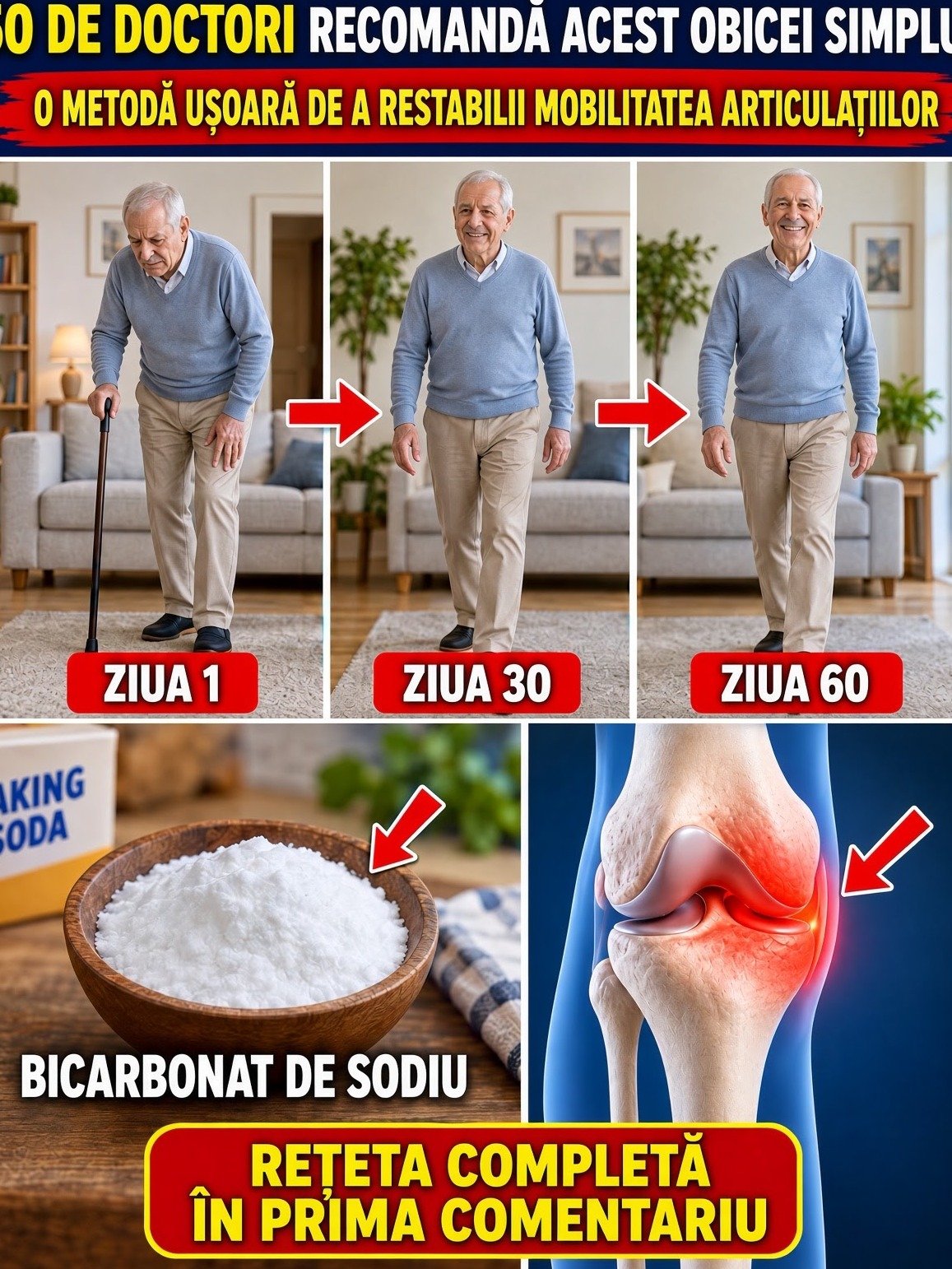
These modest benefits are vastly different from sensational claims that baking soda rebuilds cartilage, eliminates chronic inflammation, restores mobility in mere days, or cures serious illnesses. Such dramatic promises are simply not a sound basis for making health decisions.
For long-term joint comfort and mobility, integrating appropriate exercise, maintaining muscle strength, adopting a balanced diet, ensuring sufficient sleep, and seeking professional evaluation for persistent pain are generally far more crucial components of a healthy routine.
A Simple Rule to Remember
Baking soda doesn’t need to be a miracle cure to be incredibly useful.
For many individuals, its most valuable role is a modest one: an inexpensive household ingredient that, when used appropriately, can occasionally support everyday comfort and well-being.
If you are considering regular internal use of baking soda, especially if you are over 60 or taking any medications, always consult with your doctor or pharmacist first.
Small, sensible habits can significantly contribute to daily wellness – but when it comes to your health, safe and realistic practices always matter more than spectacular, unproven promises.
This article is for general educational purposes only and does not substitute for individual medical advice. Discuss any persistent symptoms with a healthcare professional and consult them before regularly using baking soda internally.