 By admin
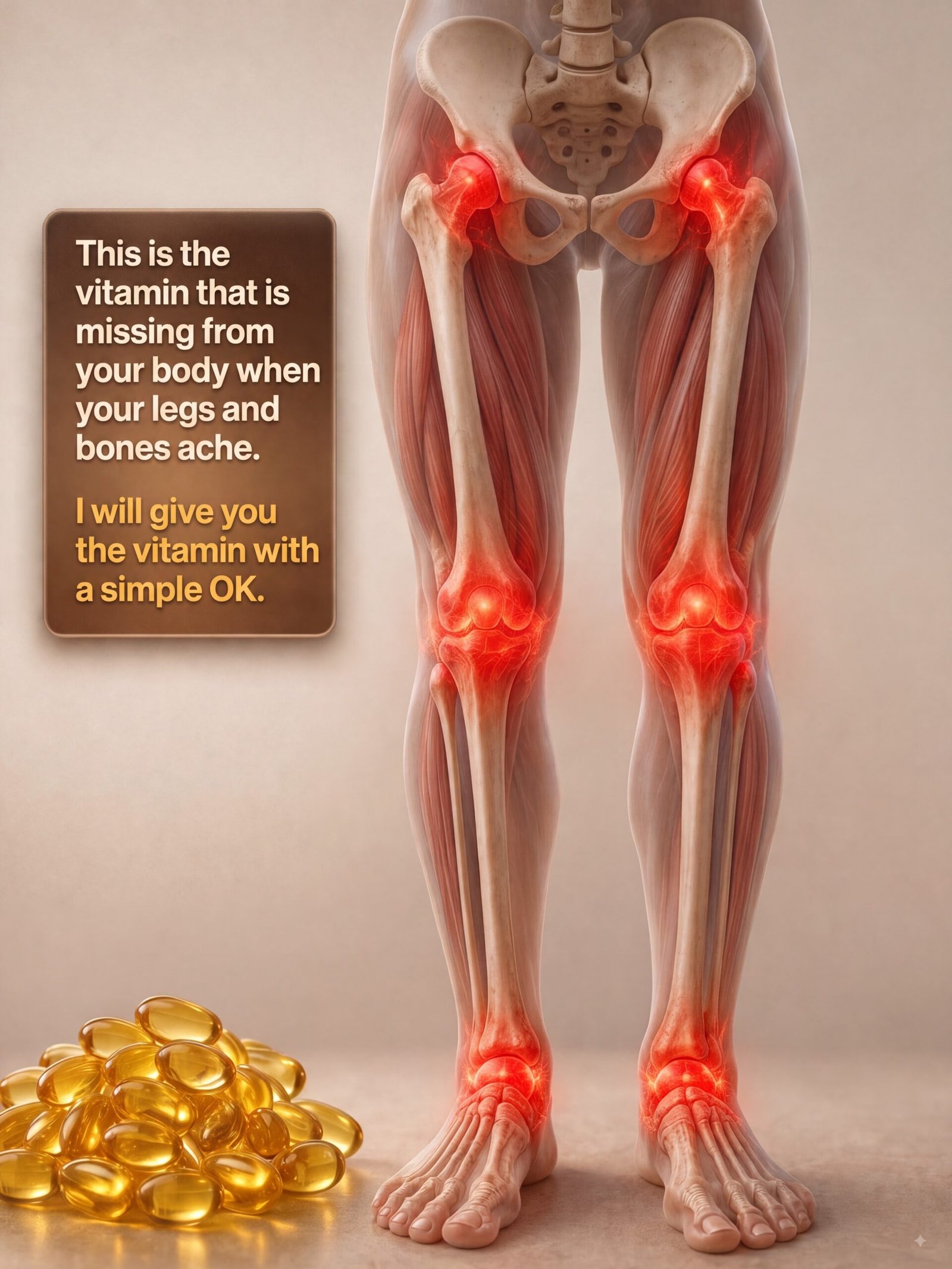
 Have you been struggling with nagging, unexplained aches in your bones or legs that just won’t go away? You might be tempted to brush it off, but your body could be signaling a critical nutritional gap. In this guide, we’re uncovering the truth about vitamin D, why your skeletal and muscular systems depend on it, and how you can naturally boost your levels to feel your best again.
Why Your Bone Health Matters More Than You Think
Your bones and legs are the foundation of your daily mobility. When pain strikes, it doesn’t just cause physical agony—it acts as a major roadblock to the activities you love, significantly dragging down your quality of life.
While there are countless reasons why you might be experiencing discomfort, it’s vital to recognize that nutritional deficiencies are often the silent culprits behind chronic muscle and bone distress.
At the center of this conversation is vitamin D. This powerhouse nutrient is essential for your body’s ability to absorb calcium, which is the building block for structural integrity. When your levels dip too low, you may experience persistent bone tenderness or muscle weakness, making it harder to stay active and healthy.
Unlocking the Secrets of Vitamin D
Vitamin D is a unique, fat-soluble nutrient that your body synthesizes through sunlight exposure, specific dietary choices, and strategic supplementation.
Once inside your system, vitamin D is converted into an active hormone that governs how your body uses calcium and phosphorus. Without this regulation, your bones can lose their density and strength.
When your stores are depleted, your body struggles with proper bone mineralization. Left unchecked, this can evolve into conditions like osteomalacia, which is known for causing significant bone aches and muscle fatigue.
However, it is important to remain objective: having leg pain does not automatically prove you are vitamin D deficient. Many other health issues can trigger similar symptoms, so it’s important to look at the big picture.
How to Naturally Boost Your Vitamin D
Want to feed your bones the right way? Incorporate these nutrient-dense foods into your routine:
- Oily fish like salmon, mackerel, and sardines
- Egg yolks
- Milk and dairy products fortified with vitamins
- Mushrooms that have been treated with UV light
- Any foods labeled as vitamin D-fortified
If your levels are dangerously low, your doctor might recommend a high-quality supplement. Always consult with a healthcare provider before starting any new regimen to ensure you get the dosage right.
Remember, vitamin D doesn’t act alone; it relies on calcium to do its job. A balanced diet is the ultimate foundation for keeping your skeletal system strong.
Simple Home Relief for Leg Discomfort
While fixing a vitamin deficiency is a long-term goal, you likely want relief right now. These simple home remedies may help ease your discomfort in the short term.
1. Using Thermal Therapy
Applying warmth can work wonders for tight, aching muscles, while a cold pack can be highly effective at bringing down swelling after an injury or a long day on your feet.
Listen to your body to decide which temperature works best for you, and always be careful to protect your skin from direct extreme heat or cold.
2. Gentle Daily Movement
Incorporating light stretches and staying mobile can prevent your muscles from seizing up and help you maintain your range of motion.
The key is to move slowly. Never push yourself into a position that makes the pain significantly worse.
3. Relaxing Warm Baths
Soaking in a warm bath is a fantastic way to soothe tired limbs. While Epsom salt baths are a beloved home remedy, keep in mind that scientific evidence for magnesium absorption through the skin is still being studied. Even so, the sheer relaxation of a warm soak can provide great comfort.
When Is It Time to See a Doctor?
Don’t make the mistake of assuming your pain is just a simple deficiency. Chronic or unexplained pain deserves a professional medical look.
A doctor can run the necessary blood panels to check your vitamin levels and investigate other potential underlying health concerns that require specialized attention.
Seek immediate care if you experience severe, sudden pain, noticeable swelling or redness, or if the discomfort follows a major trauma. Additionally, if you have any trouble breathing or chest pain, treat it as an emergency.
Final Thoughts
Never ignore persistent bone pain. Vitamin D is a crucial nutrient for your long-term skeletal health, and addressing a deficiency can absolutely change how you feel day-to-day.
That said, vitamin D is just one piece of the puzzle. The most reliable way to stay healthy is to find the true source of your pain, eat a nutrient-rich diet, stay active within your comfort zone, and partner with a medical professional when things don’t improve.
Small, consistent lifestyle adjustments go a long way in supporting your body, but never hesitate to seek expert advice for ongoing symptoms.
Take control of your bone and muscle health today by giving your body the nutrients and attention it truly deserves. 🌿