 By admin
Meta description: Dive into a simple, vibrant smoothie featuring carrots, oranges, and spinach, and uncover the vital roles of Vitamin A, Lutein, Zeaxanthin, and Vitamin C in maintaining optimal eye function and health.
What if there was a simple daily ritual that could truly support your precious eyesight? We all know that feeling: squinting at tiny text, struggling with night driving, or battling tired, dry eyes after hours glued to screens. As time marches on, our vision naturally undergoes gradual changes – small letters become a challenge, nighttime driving feels less secure, and prolonged screen time can leave our eyes feeling utterly drained and parched.
It’s no wonder that in such moments, the allure of a drink promising to “naturally restore vision” becomes incredibly tempting.
While nutrition undeniably plays a crucial role in maintaining eye health, it’s absolutely vital to manage our expectations realistically. No single smoothie or juice possesses the power to correct conditions like myopia, hyperopia, or astigmatism, nor can it cure serious eye diseases such as cataracts or glaucoma.
Instead, what food can do is supply the essential nutrients your body and eyes require for optimal, normal functioning. This is where vibrant carrots, nutrient-dense leafy greens, zesty citrus fruits, and an array of other colorful plant-based foods truly shine, finding their rightful place in a well-rounded, balanced diet.
👁️ Why Does Nutrition Matter So Much for Your Eye Health?
Just like every other intricate system in your body, your eyes demand a diverse array of nutrients to thrive.
A varied and balanced diet is your best bet for delivering the crucial vitamins, minerals, carotenoids, and healthy fats that are indispensable for countless normal bodily processes, including those vital for vision.
When we delve into the topic of eyesight, certain nutrients stand out as particularly fascinating and impactful.
🥕 Vitamin A and Beta-Carotene: The Vision Powerhouses
Vitamin A is absolutely fundamental for maintaining normal vision and plays a crucial role in the intricate processes that allow your eyes to effectively adapt to low-light conditions.
Carrots, famously, are packed with beta-carotene, a vibrant plant pigment that your body can efficiently convert into Vitamin A precisely when and where it’s needed.
This remarkable conversion is precisely why the well-known association between carrots and good eyesight has become so ingrained in popular culture.
However, it’s important to understand that if your Vitamin A intake is already sufficient, consuming excessively large quantities of carrots won’t magically grant you “super” or extraordinary vision.
🥬 Lutein and Zeaxanthin: Your Eyes’ Natural Shields
Dark green leafy vegetables, such as spinach and kale, are rich sources of powerful carotenoids known as lutein and zeaxanthin.
These particular carotenoids are naturally present within your retina, especially concentrated in the macular region, which is precisely why they are extensively researched in the context of nutrition and overall eye health.
Excellent dietary sources include spinach, kale, broccoli, peas, and even eggs.
🍊 Vitamin C: The Antioxidant Ally
Oranges, along with a vast array of other fruits and vegetables, are fantastic providers of Vitamin C.
This potent vitamin boasts powerful antioxidant functions and plays a vital role in the normal formation of collagen, a key structural protein in the body.
Citrus fruits aren’t your only option for Vitamin C. You can also get this essential nutrient from kiwi, berries, bell peppers, tomatoes, broccoli, and a multitude of other plant-based foods.
🌰 Vitamin E and Zinc: The Supporting Cast
Vitamin E and zinc are also deeply involved in the normal, healthy functioning of your entire body, including your eyes.
Nuts, seeds, legumes, certain seafood, meat, and fortified foods can all contribute significantly to your intake of these important nutrients.
This is precisely why dietary diversity is far more beneficial and effective than solely focusing on a single “vision-boosting” drink.
If you enjoy preparing homemade beverages, this vibrant and colorful combination is both simple to make and incredibly easy to adapt to your taste.
Ingredients for Your Eye-Friendly Smoothie
- 2 medium carrots
- 1 small piece of red beet
- 1 orange
- 1 cup of spinach or kale
- a small piece of fresh ginger
- 1 cup of water
- optional, a splash of fresh lemon juice
Preparation Method
Thoroughly wash all your ingredients before beginning.
Peel the orange and ginger, then chop the carrots and beet into pieces small enough for your blender to handle easily.
Place all the prepared ingredients into your blender along with the water, then blend until you achieve a smooth, homogenous consistency.
If the smoothie appears too thick for your preference, simply add a little more water until it reaches your desired consistency.
For most individuals, retaining the pulp rather than straining the beverage is a more practical and beneficial choice, as this method preserves a greater amount of the natural fibers found in the fruits and vegetables.
Enjoy your freshly made smoothie immediately.
🌈 What Does Each Ingredient Bring to Your Glass?
This particular recipe is so compelling precisely because its individual ingredients boast distinct and complementary nutritional profiles.
Carrots are a fantastic source of beta-carotene, the vital precursor to Vitamin A.
Spinach or kale delivers a powerful punch of lutein, zeaxanthin, and a host of other essential micronutrients.
Orange not only provides a good dose of Vitamin C but also imparts a delightful natural sweetness.
Red beet contributes beneficial folate and a variety of natural plant compounds.
Ginger introduces a subtle, zesty kick, making the drink more intriguing without the need for any added sugars.
Collectively, these ingredients form a truly nutritious beverage. However, it’s crucial to remember that combining them into a single glass does not magically transform this smoothie into a treatment for vision impairment or damage.
Can This Smoothie Really Restore Your Vision?
Understanding this distinction is one of the most critical takeaways.
If your blurry vision stems from underlying issues like myopia, hyperopia, astigmatism, presbyopia, cataracts, glaucoma, a retinal problem, or any other ocular condition, simply consuming a carrot smoothie will not address or correct the root cause.
Nutritional deficiencies, however, present a different scenario entirely.
For instance, a severe deficiency in Vitamin A can indeed impair vision. Correcting a genuine deficiency is crucial, but it’s essential that such a deficiency is properly identified through professional assessment, rather than simply being assumed whenever your vision changes.
For this very reason, it’s far more accurate to label this recipe a “nutritious, eye-health-friendly smoothie” rather than a “vision recovery drink.”
Why Does Your Vision Seem Sharper on Some Days Than Others?
While personal anecdotes about improved vision after just a few days of drinking a specific juice can sound incredibly convincing, it’s important to remember that such stories don’t scientifically prove the beverage caused the change.
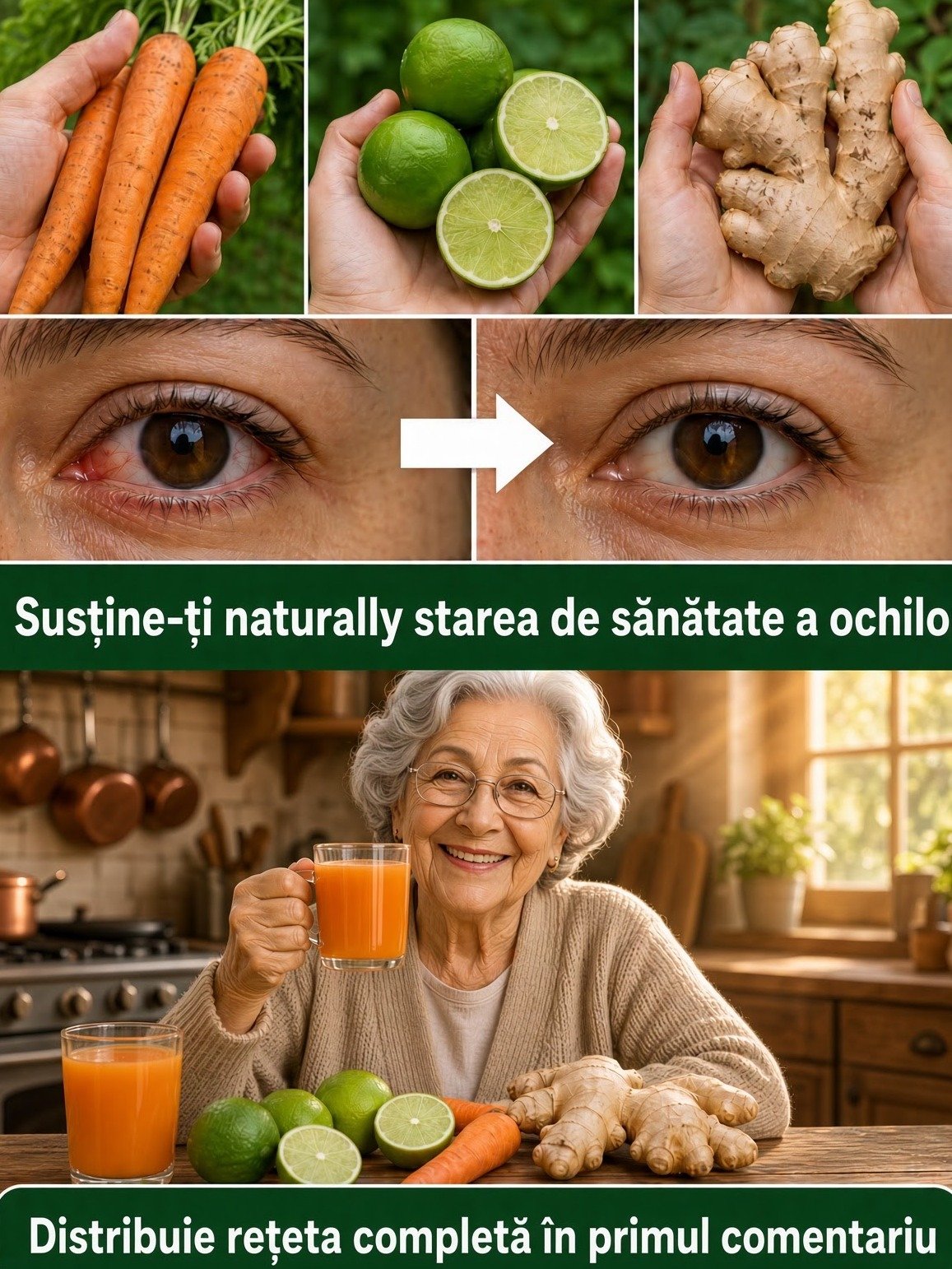
The comfort and perceived clarity of your vision can fluctuate significantly due to a multitude of factors.
Factors like prolonged screen time, eye dryness, ambient lighting, overall fatigue, sleep quality, blood sugar levels, certain medications, and extended periods of near-focus work can all influence how your eyes feel and perform.
If you notice a persistent change in your vision or feel that your current glasses no longer provide the same clarity, an ophthalmological consultation will offer far more valuable insights and solutions than repeatedly trying different “miracle” juices.
🌙 Do Carrots Really Boost Your Night Vision? The Truth Revealed!
Behind this widely popular idea, there is indeed a kernel of truth.
Vitamin A is absolutely essential for the formation of visual pigments that are crucial for seeing in low-light conditions. Consequently, an individual with a genuine Vitamin A deficiency may experience significant difficulties with night vision.
However, once your body’s Vitamin A requirements are met, consuming increasingly larger quantities of carrots will not endlessly enhance your night vision.
If you’ve recently noticed that driving at night has become more challenging, especially due to halos around lights, bothersome glare, or a general decrease in clarity, it’s definitely worthwhile to schedule an eye examination with a professional.
🥑 Don’t Forget Healthy Fats: The Absorption Boosters
It’s important to remember that beta-carotene, lutein, and zeaxanthin are all fat-soluble compounds.
You don’t necessarily need to blend all your fat sources directly into the smoothie. This vibrant drink can be perfectly enjoyed alongside a meal that includes a moderate amount of healthy fats to aid in absorption.
For instance, consider pairing your smoothie with a handful of walnuts or almonds, a serving of plain yogurt, an egg, or whole-grain toast topped with avocado.
Such combinations can also make your breakfast much more substantial and satisfying than simply consuming the beverage on its own.
Smoothie vs. Juice: What’s the Key Difference?
Both smoothies and juices can certainly hold a place in a varied and healthy diet, but there’s an important distinction between them.
When fruits and vegetables are traditionally juiced, a significant portion of their beneficial fibers is removed in the process.
However, when edible ingredients are blended whole in a blender, a much larger proportion of these crucial fibers remains intact within the drink.
For regular consumption, a smoothie often proves to be a more practical and nutritionally complete option.
And remember, you don’t necessarily need to drink this specific combination every single morning. The very same beneficial nutrients can easily be obtained from carrots enjoyed at lunch, spinach incorporated into your dinner, and various fruits consumed throughout your day.
💻 A Simple Habit for Screen-Fatigued Eyes: The 20-20-20 Rule
While nutrition is undeniably a cornerstone of eye care, it represents only one facet of maintaining optimal ocular health.
If you spend extended hours working on a computer or frequently use your phone, you might find significant relief by implementing the simple yet effective 20-20-20 rule.
Here’s how it works: Approximately every 20 minutes, take a 20-second break to look at an object that is about 20 feet away (roughly 6 meters).
Don’t forget to blink regularly to keep your eyes moist, and ensure your screen is positioned at a comfortable distance and height.
While these habits won’t correct your prescription, they can significantly help in reducing the common discomfort often associated with prolonged periods of near-focus work.
😎 Your Eye Protection Continues Outdoors: Don’t Forget UV!
The long-term health of your eyes isn’t solely dependent on the foods you put on your plate.
When you spend considerable time outdoors, wearing sunglasses that provide adequate protection against harmful UV radiation is a crucial and beneficial habit. A wide-brimmed hat can also offer additional shade and protection.
Consistent, ongoing protection is ultimately far more impactful for long-term eye health than the quest for a single “special” vision-boosting drink.
⚠️ When Vision Changes Demand Immediate Attention: Don’t Ignore These Warning Signs!
While gradual changes in vision should certainly be discussed during your routine eye check-ups, certain symptoms warrant immediate medical evaluation without delay.
Seek prompt medical assistance if you experience sudden vision loss or a significant reduction in sight, new flashes of light, a sudden increase in the number of floaters, a curtain-like shadow in your field of vision, severe eye pain, an eye injury, or sudden double vision.
Remember, a smoothie is a food item, not a method of first aid for an ocular emergency.
🥗 What Does a Truly Eye-Friendly Diet Look Like?
Instead of tirelessly searching for one single, perfect “vision drink,” it’s far more beneficial and effective to embrace variety in your daily meals.
Aim to incorporate a rotating selection of leafy green vegetables, orange and yellow vegetables, citrus fruits, berries, eggs, legumes, nuts, seeds, fish, and other minimally processed foods into your diet regularly.
Each of these food categories provides a unique and valuable combination of nutrients essential for overall health and vision.
And that’s precisely the key takeaway: you don’t need to consume all of them at breakfast, nor do you need to cram them all into a single glass.
Conclusion: A Nutritious Drink, Not a Miracle Cure for Vision
A vibrant, colorful smoothie made from carrots, oranges, beets, and leafy greens can be a delicious and effective way to effortlessly incorporate more plant-based foods into your daily routine.
Specifically, carrots deliver beta-carotene, leafy greens contribute lutein and zeaxanthin, and the orange provides a boost of Vitamin C. These nutrients play genuinely vital roles in overall nutrition and the normal functioning of your body.
However, it’s equally important to clearly understand what this drink, or any single food, cannot achieve.
It cannot guarantee the recovery of lost vision, it won’t replace your prescription glasses, and it certainly won’t treat conditions like cataracts, glaucoma, or retinal diseases.
Savor this smoothie for its delightful taste and significant nutritional value. For true, long-term eye health, combine a varied diet with essential practices such as regular breaks from screens, adequate UV protection, sufficient sleep, routine ophthalmological check-ups, and professional evaluation whenever your vision undergoes changes.
Your eyes don’t require a miraculous, one-time cure; instead, they thrive on simple, consistent, and holistic care.
SEO Title
Carrot Smoothie for Eye Health: Recipe, Nutrients, and Vision Tips
SEO Meta Description
Discover a simple carrot, orange, and spinach smoothie recipe and learn how Vitamin A, lutein, zeaxanthin, and Vitamin C contribute to normal eye nutrition.
SEO Keywords
eye health smoothie, carrot smoothie, carrot juice for vision, foods for eye health, carrots and vision, vitamin A for eyes, lutein and zeaxanthin, spinach for eyes, diet for vision, vitamins for eye health
Note: This article is for general informational purposes only and does not replace consultation, diagnosis, or treatment provided by a healthcare professional.