 By admin
 It’s affordable, widely available, and likely already a staple in your kitchen.
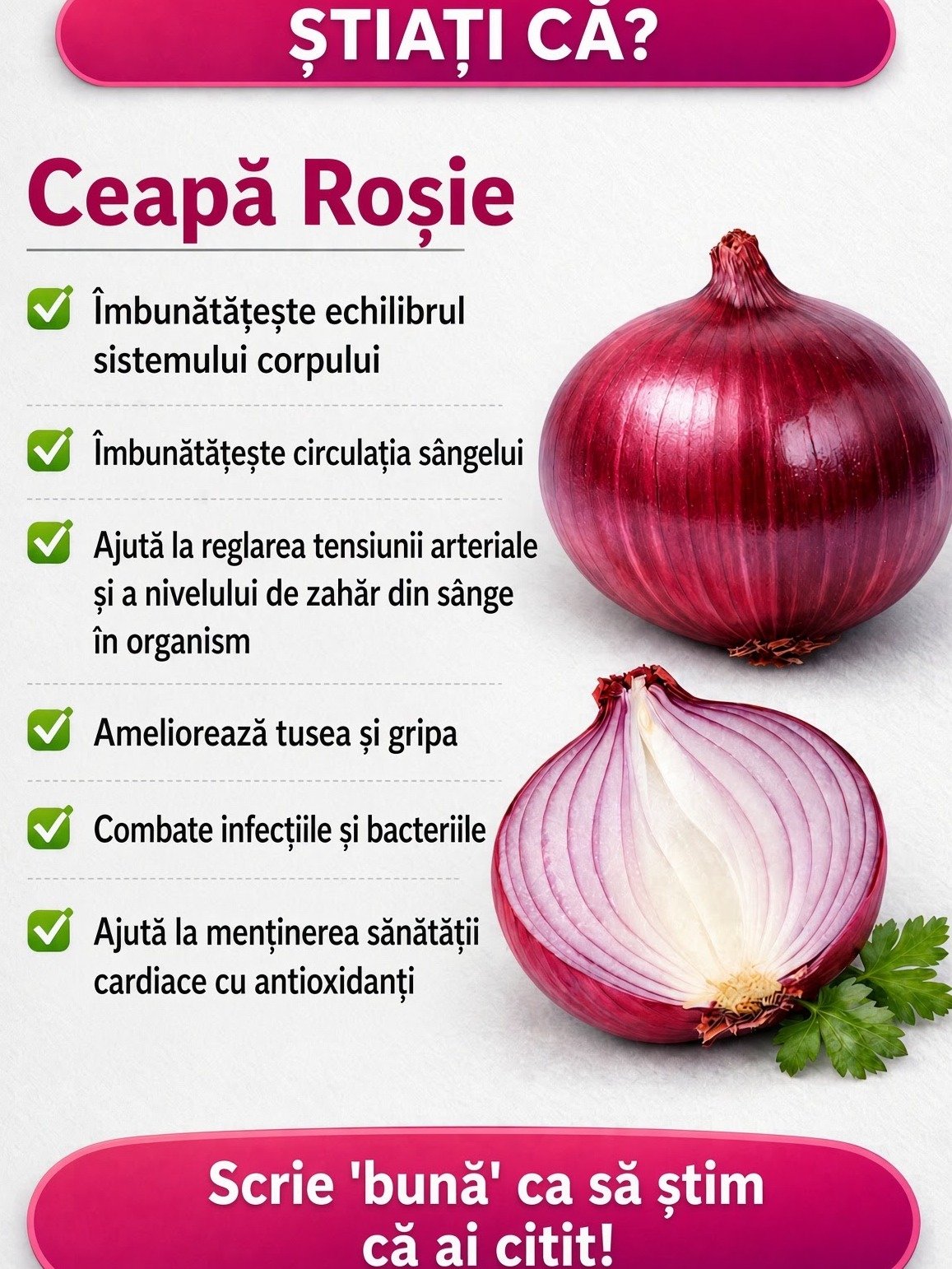
Yet, the incredible **red onion** is often relegated to a mere flavor enhancer for salads and cooked dishes.
However, beneath its vibrant purple hue lies a fascinating powerhouse of **antioxidants, flavonoids, sulfur compounds, dietary fiber, and a host of other beneficial nutrients**.
Now, this isn’t to say red onions are a “miracle food” that can cure ailments. But when incorporated into a diverse and balanced diet, they can significantly boost your intake of valuable plant compounds and make your meals more delicious with minimal effort.
🌿 What Makes Red Onions So Incredibly Powerful?
That striking reddish-purple color comes primarily from plant pigments known as **anthocyanins**.
These potent compounds belong to the polyphenol family and are also abundant in other vibrantly colored foods like blueberries, blackberries, red cabbage, and dark grapes.
Beyond their stunning appearance, red onions also supply:
-
anthocyanins – natural pigments boasting powerful antioxidant properties;
-
quercetin – a plant flavonoid extensively studied for its robust antioxidant activity;
-
natural sulfur compounds – these are responsible for the onion’s distinctive aroma and contribute to its health benefits;
-
dietary fiber – crucial for maintaining a healthy and smoothly functioning digestive system;
-
prebiotic compounds – these nourish beneficial bacteria in your gut, fostering a healthy microbiome;
-
Vitamin C and essential minerals – vital nutrients that support the normal operation of numerous bodily functions.
The real secret isn’t consuming massive quantities, but rather integrating red onions as a regular component of a diet rich in various vegetables, fruits, and other plant-based foods.
❤️ 1. Your Heart Will Thank You: A Powerful Addition to a Heart-Healthy Diet
Cardiovascular health is a complex tapestry, not dependent on any single food.
Nevertheless, red onions seamlessly fit into an eating pattern centered around **vegetables, fruits, legumes, whole grains, nuts, seeds, fish, and unsaturated fats**.
The anthocyanins, quercetin, and other plant compounds found in onions are continuously researched for their promising biological activity.
Instead of viewing onions as a food that “cleans arteries” or “fixes circulation,” it’s more accurate to understand them as a valuable contributor to the diverse array of plant foods within a cardiovascular-friendly diet.
Just a few slices in a salad are enough to add fantastic flavor, texture, and a pop of color.
🩸 2. Red Onions & Blood Sugar: Setting Realistic Expectations
Onions contain specific plant compounds that have piqued researchers’ interest regarding glucose metabolism.
However, it’s crucial to understand that a serving of red onion cannot rapidly lower blood sugar or replace prescribed diabetes treatments.
For individuals aiming to maintain healthy blood sugar levels, the **overall dietary pattern**, total food intake, regular physical activity, and other individual factors play a far more significant role.
A smart strategy is to combine red onions with other vegetables, legumes, whole grains, and adequate protein sources.
If you have diabetes or are undergoing treatment for blood sugar management, your doctor’s recommendations should always remain your top priority.
🛡️ 3. Boost Your Defenses: Supporting Normal Immune Function
Red onions provide Vitamin C and a variety of antioxidant plant compounds.
However, a robust immune system demands a wide spectrum of nutrients, not just one single ingredient.
Therefore, a more effective approach is to consume a vibrant array of colorful foods: bell peppers, tomatoes, carrots, leafy greens, berries, citrus fruits, onions, and many more.
The more diverse your diet, the easier it becomes to acquire a comprehensive range of essential nutrients.
✨ 4. A Simple Powerhouse of Plant-Based Antioxidants
Oxidative stress is a natural part of the body’s biological processes, and our diet can supply us with numerous antioxidant compounds to help manage it.
Red onions are particularly noteworthy due to their impressive combination of **anthocyanins and quercetin**.
This is precisely why nutritional guidelines consistently emphasize consuming a wide variety of fruits and vegetables of different colors.
There’s no need to chase after a single “superfood.”
Diversity in your diet is paramount.
🌱 5. Gut Health Hero: Fiber and Prebiotics for a Happy Digestive System
Another benefit of red onions, while perhaps less glamorous, is incredibly vital: their content of **fiber and prebiotic compounds**.
Prebiotics are special substances that can be utilized by certain beneficial bacteria residing in your gut.
A diverse and thriving gut microbiome is intimately involved in crucial processes like digestion and metabolism, impacting your overall well-being.
Red onions can be wonderfully paired with other excellent sources of fiber, such as:
🥣 oats
🫘 beans and lentils
🥦 various vegetables
🍎 fruits
🌾 whole grains
🥜 nuts and seeds
Increasing your fiber intake is generally more comfortable and beneficial when done gradually and accompanied by adequate hydration throughout the day.
👵 6. Ageless Eating: Red Onions in Your Diet After 50 or 60
As we gracefully age, the overall quality of our diet becomes even more profoundly important.
Plant-based foods, rich in fiber and various phytonutrients, are fundamental components of a healthy, long-term eating pattern.
Red onions fit perfectly into this framework because they are accessible, wonderfully versatile, and effortlessly combine with other vegetables.
However, **healthy aging cannot be attributed to a single antioxidant or food item**.
Regular physical activity, sufficient sleep, adequate protein intake, a varied diet, avoiding smoking, and diligent monitoring of medical conditions are all far more critical when considering the broader picture of lifelong health.
💆 7. The Beauty Secret? What Red Onions Can Do for Your Skin and Hair
The antioxidants and nutrients found in vegetables contribute to the overall nutritional support your body requires for maintaining healthy tissues, including your skin and hair.
For this reason, red onions certainly have a place in a diet geared towards promoting skin and hair health.
That said, consuming red onions cannot guarantee faster hair growth or the disappearance of wrinkles.
For truly radiant skin and healthy hair, factors like a **complete and balanced diet, sufficient protein, essential micronutrients, quality sleep, proper hydration, and appropriate personal care routines** are far more influential.
🥗 Raw or Cooked? The Best Ways to Enjoy Red Onions
Both raw and cooked preparations can be a fantastic part of your diet.
Raw red onions offer a more pungent, crisp flavor and are exceptional in salads, salsas, and sandwiches.
When cooked, their taste mellows and becomes sweeter and more delicate, making them ideal for soups, roasted vegetables, and countless other dishes.
There’s no need to force yourself to eat them raw if they cause you digestive discomfort.
🥑 A Simple, Vibrant Salad Idea
Try combining:
-
finely sliced red onion;
-
creamy avocado;
-
ripe tomatoes;
-
crisp cucumber;
-
a squeeze of fresh lemon juice;
-
a drizzle of olive oil;
-
fresh herbs, to your liking.
This is a wonderfully simple way to unite multiple plant-based foods into one delicious bowl.
More Delicious Ways to Enjoy Red Onions Daily
Red onions can be:
-
slipped into sandwiches and wraps;
-
paired with hearty beans or lentils;
-
incorporated into whole-grain salads;
-
served alongside roasted vegetables;
-
added to vibrant salsas;
-
lightly caramelized for a sweeter flavor;
-
quickly pickled for an amazing burst of flavor in salads and sandwiches.
🫙 Quick Pickled Red Onion Recipe: Your New Favorite Condiment!
If the strong taste of raw onion is sometimes too intense for you, quick-pickled red onions offer a delightful and intriguing alternative.
Ingredients
-
1 large red onion;
-
1 cup apple cider vinegar;
-
1 cup water;
-
1 teaspoon honey, optional;
-
a pinch of salt.
Instructions
-
Slice the red onion thinly and place the rings into a clean jar.
-
Gently heat the water with the apple cider vinegar, honey (if using), and salt in a small saucepan.
-
Stir until all the ingredients are well combined and dissolved.
-
Pour the warm liquid over the sliced onions in the jar, ensuring they are fully submerged.
-
Allow the mixture to cool completely to room temperature.
-
Seal the jar and refrigerate for at least a few hours before serving to allow the flavors to meld.
These quick-pickled onions can add a delightful tangy contrast and beautiful color to your salads, sandwiches, or any dish featuring vegetables and grains.
⚠️ Are There Any Downsides? When Red Onions Might Cause Discomfort
Yes, absolutely. Just because a food is healthy doesn’t mean it’s suitable in all quantities for every individual.
Raw red onions can sometimes cause the following symptoms in sensitive individuals:
-
bloating;
-
gas;
-
heartburn or acid reflux;
-
general abdominal discomfort.
People with a sensitive digestive system may find they tolerate **smaller quantities or thoroughly cooked onions** much better.
There’s no benefit in consuming excessively large amounts if it leads to discomfort; listen to your body.
❌ What Red Onions WON’T Do (Busting Common Myths)
Some online claims attribute spectacular, almost magical effects to red onions.
It’s vital to maintain realistic expectations about their capabilities.
Red onions will not:
❌ “cleanse” your arteries overnight;
❌ replace your blood pressure medication;
❌ cure diabetes;
❌ “detoxify” your blood in a dramatic fashion;
❌ eliminate belly fat in just a few days;
❌ guarantee perfect circulation;
❌ serve as a standalone treatment for hair loss or skin problems.
Their true value is far simpler and more credible: **they are a nutrient-dense plant food that contributes wonderfully to a varied and balanced diet.**
❓ Your Burning Questions About Red Onions, Answered!
Are red onions healthier than white onions?
Both types of onions can be part of a healthy diet. While their profiles of plant compounds differ, the distinct color of red onions indicates a higher presence of anthocyanins. However, there’s no need to exclusively choose one type over the other.
Do I need to eat red onions every day?
No, not at all.
There’s no requirement for red onions to be a daily staple. What’s far more important is consuming a diverse range of vegetables and other nutritious foods regularly.
Is raw red onion better for me?
Not necessarily.
Both raw and cooked, red onions can contribute to a healthy diet. If eating raw onions causes you digestive discomfort, feel free to enjoy them cooked instead.
Can red onions lower blood sugar?
Red onions do contain compounds studied in the context of glucose metabolism, but they should not be considered a treatment for high blood sugar or diabetes.
Individuals with diabetes should always adhere to the dietary plan and treatment recommended by their healthcare professionals.
🌿 Conclusion: The Everyday Ingredient You Need to Rediscover
You don’t need to hunt for exotic ingredients to make your meals more varied and nutritious.
Sometimes, a simple food you already have in your kitchen is all it takes to elevate your health.
**Red onions offer a fantastic package of fiber, anthocyanins, quercetin, and other valuable plant compounds**, and their distinctive flavor makes them incredibly easy to integrate into countless dishes.
They are not a miraculous remedy and should never be presented as a treatment for diseases.
However, a few slices in a fresh salad, tucked into a sandwich, or served alongside a portion of roasted vegetables can be a wonderfully simple way to bring **more color, flavor, and beneficial variety into your daily diet.**
And when it comes to long-term health, those small, consistent habits that you can maintain are often far more valuable than any spectacular, fleeting promises. 🧅🌿
SEO Information
SEO Title: Red Onion: 7 Nutritional Benefits and Simple Ways to Enjoy It
Meta Description: Discover what red onions contain, the benefits of their antioxidants, quercetin, and fiber, and easy ways to include them in a healthy diet.
Primary Keyword: red onion benefits
Secondary Keywords: red onion health benefits, red onion properties, quercetin, anthocyanins, red onion for health, antioxidant foods, pickled onions, healthy diet
Recommended Slug: red-onion-benefits-health-diet
This article is for informational and educational purposes only and does not replace the advice, diagnosis, or treatment provided by a medical professional.
How do YOU prefer your red onions: raw in a salad, cooked, or pickled? 🧅✨