 By admin
Meta Description: Unearth 3 traditional ways to safely incorporate guava leaves into your oral hygiene routine. Learn how to make a simple rinse, understand their natural compounds, and discover why they’re a complement, not a replacement, for fluoride toothpaste or professional dental care.
What if the secret to a naturally healthier mouth has been hiding in plain sight for centuries, right in the leaves of a tropical fruit tree? While the sweet, fragrant guava fruit is a household name, its humble guava leaves hold a generations-old secret for oral care that many are just rediscovering.
Naturally packed with potent plant compounds like flavonoids, tannins, and other polyphenols, these leaves have piqued the interest of researchers. Laboratory studies have highlighted their impressive antioxidant properties and observed activity against certain microorganisms.
However, it’s crucial to approach these traditional methods with realistic expectations.
You might encounter sensational claims online suggesting that guava leaves can “eliminate cavities,” “restore enamel,” or even repair damaged teeth.
Let’s be clear: guava leaves cannot rebuild lost tooth structure caused by decay. Once a cavity has formed, it absolutely requires professional dental evaluation and, depending on its severity, appropriate treatment from a dentist.
With that vital clarification in mind, consider guava leaves as an optional traditional practice designed to complement your regular oral hygiene routine, not replace it.
Here are three straightforward ways people have traditionally incorporated them.
1. Chewing Fresh Guava Leaves 🌿
This is arguably the most direct and simplest of the traditional approaches.
Select 2–3 young, healthy guava leaves. Ensure you wash them thoroughly under clean running water to remove any dust or impurities.
Gently chew the leaves for a brief period, then discard the plant material. It’s best to avoid swallowing large pieces of the leaves.
As mentioned, guava leaves naturally contain tannins, flavonoids, and other beneficial plant compounds. These have been studied in laboratory settings for their observed activity against certain microorganisms.
However, it’s vital to reiterate that this does not imply that chewing the leaves can effectively treat existing cavities or dental infections.
Within a traditional routine, the act of chewing guava leaves might offer a temporary feeling of freshness and mechanically stimulate saliva production.
What You Need to Remember
This practice does not replace:
-
Brushing twice daily;
-
Using fluoride toothpaste;
-
Cleaning between your teeth;
-
Regular dental check-ups.
Should you notice any irritation, stinging, or discomfort in your mouth or gums, discontinue use immediately.
2. Simple Guava Leaf Mouth Rinse
Another time-honored method involves preparing a gentle infusion to use as a mouth rinse.
Ingredients
-
5–7 thoroughly washed guava leaves;
-
Approximately 1 cup of water.
Preparation Instructions
Start by washing the leaves meticulously.
Place them in a pot with the water and simmer gently for about 10 minutes.
Remove from heat, strain the liquid, and allow it to cool completely.
Use a small amount to gently rinse your mouth, then be sure to spit out the liquid rather than swallowing it.
In traditional practices, this type of rinse is often utilized for a refreshing mouthfeel and to soothe the gums.
Caution with Homemade Preparations
A homemade mouthwash, prepared in your kitchen, is neither a sterile product nor does it possess a standardized concentration of active compounds.
For these reasons, it’s advisable to prepare small batches, ensure all utensils are clean, and avoid storing the mixture for extended periods.
If the liquid changes its scent, taste, or appearance, it’s best to discard it immediately.
3. Guava Leaves with Salt: A Method Requiring Extra Caution
Some traditional recipes involve crushing guava leaves and combining them with a small amount of salt.
Fresh, thoroughly washed leaves can be finely ground with a little clean water until a soft paste is formed.
If you opt to add salt, use only a very minimal quantity.
It’s crucial that this mixture is *not* rubbed aggressively onto your teeth or gums.
Why is this Precaution So Important?
Salt crystals and other granular ingredients commonly found in homemade preparations can become highly abrasive when repeatedly rubbed with pressure against your teeth.
Applying more friction does not automatically translate to cleaner teeth; in fact, it can be detrimental.
For effective daily removal of bacterial plaque, a soft-bristled toothbrush combined with fluoride toothpaste remains a far more suitable and safer choice.
Can Guava Leaves Really Eliminate Cavities?
This is undoubtedly one of the most critical questions people have regarding guava leaves and oral health.
The answer demands a clear distinction between the inherent properties of a natural ingredient and its ability to treat an already established dental problem.
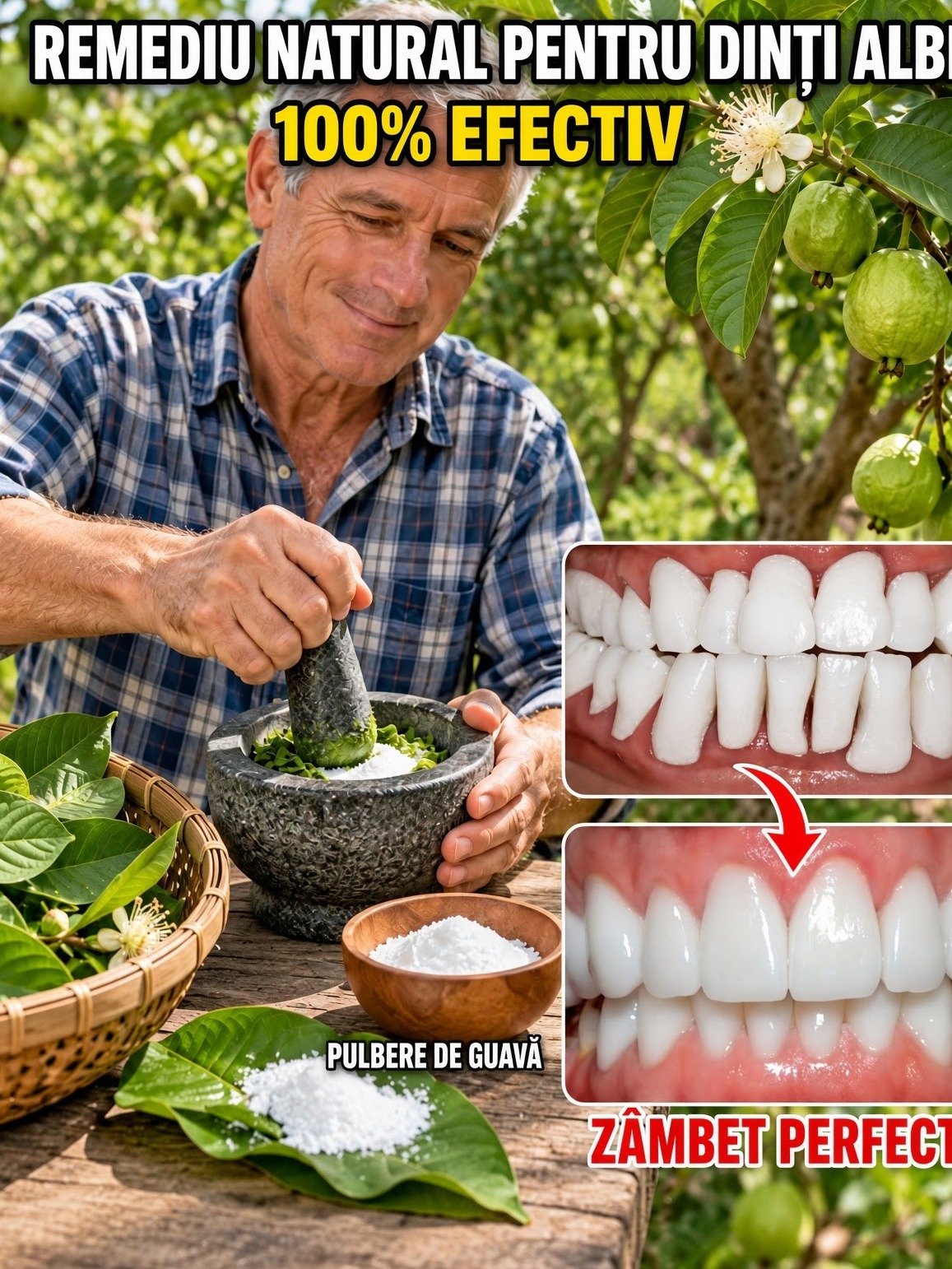
Guava leaves do indeed contain fascinating plant compounds, and extracts derived from them have been explored for their potential antimicrobial properties and applications in oral health settings.
However, this scientific inquiry is vastly different from proving that a simple leaf can magically repair an already formed cavity.
In very early stages, certain enamel changes might be managed through fluoride application, meticulous oral hygiene, and guidance from a dental professional.
Yet, once a physical cavity has eroded into the tooth structure, the lost dental tissue simply cannot be regenerated by any homemade remedy.
Only a dentist can accurately assess the depth of the decay and determine the appropriate professional treatment plan.
What About Toothache Relief?
While a gentle rinse might offer a temporary soothing sensation in your mouth, persistent tooth pain should never be ignored.
Toothaches can stem from a variety of underlying issues, including but not limited to:
-
Cavities;
-
Cracks or fractures in teeth;
-
Gum disease;
-
Tooth sensitivity;
-
Inflammation;
-
Infections.
A temporary reduction in discomfort does not necessarily mean that the underlying problem causing the pain has resolved itself.
Seek immediate dental assistance, especially if you experience severe or persistent pain, swelling of the gums or face, pus, fever, difficulty swallowing, or a visibly damaged tooth.
How Can Guava Leaves Fit into Your Oral Care Routine?
The simplest and safest way to view guava leaves is as an optional traditional practice, intended to supplement, not substitute, modern dental hygiene.
The foundation of effective dental care remains straightforward and consistent:
Brush your teeth twice daily. Always use an appropriate toothbrush and fluoride toothpaste.
Clean between your teeth. Regular brushing often can’t effectively reach these crucial areas.
Limit frequent sugary snacks and drinks. The frequency of your teeth’s exposure to sugars significantly impacts dental health.
Don’t delay persistent issues. Any pain, sensitivity, or visible changes to a tooth warrant professional evaluation by a dentist.
While guava leaves can introduce an intriguing traditional element to this routine, they absolutely must not replace scientifically proven and effective oral care methods.
Why Are Guava Leaves So Intriguing to Researchers?
The scientific interest surrounding guava leaves extends far beyond mere traditional anecdotes.
The plant is a natural reservoir of various potent compounds, including polyphenols, flavonoids, and tannins, which is why its extracts have become subjects of investigation in numerous laboratory studies.
Such research endeavors are crucial for unraveling the plant’s biological properties and can potentially pave the way for exciting future applications and discoveries.
However, it’s paramount to clearly distinguish between two distinct concepts:
The observation that “an extract exhibits activity in a laboratory setting” does not automatically translate to “guava leaves cure a dental problem in humans.”
Understanding this crucial difference allows us to appreciate the benefits of tradition without elevating preliminary research findings into definitive medical promises or treatments.
Crucial Mistakes to Avoid When Using Natural Dental Remedies
It’s a common misconception that “natural” inherently means “risk-free.”
Steer clear of aggressively scrubbing your teeth with salt, coarse powders, or any other abrasive mixtures.
Never repeatedly apply highly acidic ingredients to your enamel with the expectation of “whitening” your teeth, as this can cause irreversible damage.
Most importantly, do not delay seeking professional dental consultation if you notice a visible cavity, swelling, or persistent pain.
While traditional remedies can certainly hold a place in a personal wellness routine, they should never mask the symptoms of a serious dental issue that requires professional treatment.
Conclusion: Guava Leaves and Your Oral Health 🌿🦷
Guava leaves boast a rich and lengthy history of traditional use, and their unique plant compounds continue to captivate the interest of modern researchers.
You may encounter information about three traditional methods: occasionally chewing clean leaves, preparing a simple, gentle rinse, and cautiously using crushed leaves.
However, it is crucial that none of these methods are ever presented as a guaranteed solution for eliminating cavities, regenerating enamel, or treating a dental infection.
For optimal and lasting dental health, the fundamentals remain paramount: regular brushing with fluoride toothpaste, consistent cleaning between teeth, a balanced diet, and prompt dental check-ups whenever issues arise.
While guava leaves can indeed offer an interesting traditional complement, long-term oral health is primarily built upon consistent, evidence-based care and the correct professional treatment of dental problems.
Important Note
This article is provided for informational and educational purposes only and should not replace the advice or recommendations of a qualified dentist. If you experience persistent dental pain, swelling, unusual bleeding, fever, or any other concerning symptoms, please seek a professional dental evaluation immediately.
If you found this information helpful, please share it. 🌿