 By admin
 Are you fascinated by the buzz surrounding aloe vera and eye health? Before you reach for that bottle, it’s crucial to distinguish between captivating traditional wisdom and the bold, often unsubstantiated claims circulating online. The truth is, no single food, plant, or ‘miracle’ home remedy holds the power to grant perfect vision or miraculously cure serious eye conditions.
This comprehensive guide will cut through the noise, delving into the facts about aloe vera, essential eye-friendly nutrients, crucial lifestyle habits for optimal vision, and the most responsible path to embracing natural wellness.
🌿 What Is Aloe Vera?
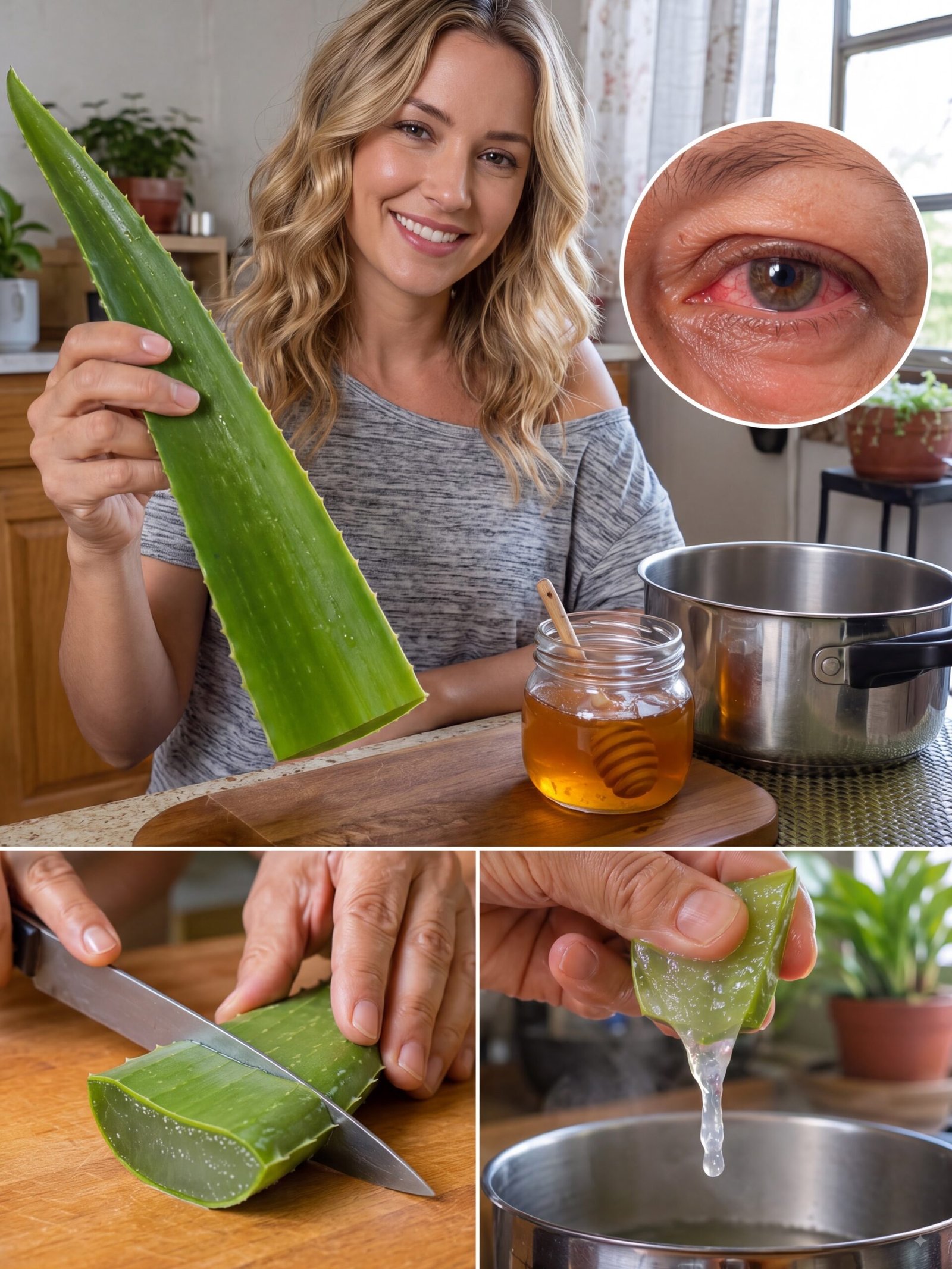
Aloe vera, a striking succulent plant, has a rich history of traditional use, celebrated for its remarkable soothing and moisturizing qualities. Its transparent inner gel is a treasure trove of compounds, notably polysaccharides and other potent plant constituents, all of which have garnered scientific interest for their diverse biological effects.
Today, you’ll find aloe vera widely incorporated into:
- Skincare products
- Traditional wellness preparations
- Moisturizing treatments
- Certain food and beverage products
It’s crucial to remember, however, that the long history of traditional use should never be mistaken for scientifically proven medical treatment.
👁️ Can Aloe Vera Improve Your Vision?
This question often stands at the forefront of discussions surrounding aloe vera’s purported benefits.
Despite widespread claims, there is currently no compelling clinical evidence to suggest that consuming aloe vera directly enhances eyesight or reverses existing vision loss.
While certain nutrients and antioxidant compounds found in plant-based foods can certainly support overall cellular health, this does not translate to aloe vera alone possessing the power to restore damaged vision or independently ward off serious eye diseases.
In reality, your precious eye health is a complex tapestry woven from numerous interconnected factors, including:
- Age
- Genetics
- Nutrition
- Blood sugar management
- Blood pressure
- Smoking
- UV exposure
- Existing eye conditions
- Regular eye examinations
Therefore, safeguarding your vision effectively demands a holistic, multi-faceted approach, moving far beyond the simplistic notion of relying on any single ingredient.
🔬 The Role of Antioxidants in Eye Health
Oxidative stress, a natural byproduct of metabolic processes, is a significant factor in cellular damage and is intrinsically linked to the broader aging process.
Consuming a well-balanced diet is paramount, as it consistently supplies the body with vital antioxidants and other essential nutrients crucial for supporting optimal cellular function.
When it comes to maintaining robust eye health, several key nutrients stand out, including:
🥬 Lutein and Zeaxanthin
These powerful carotenoids are abundantly found in natural food sources such as:
- Spinach
- Kale
- Broccoli
- Other dark green leafy vegetables
These two are considered exceptionally important nutrients, especially when we delve into the topics of healthy aging and targeted eye nutrition.
🥕 Vitamin A
Vitamin A is absolutely indispensable, playing a pivotal role in maintaining normal, healthy vision.
You can find excellent dietary sources of Vitamin A in foods like:
- Carrots
- Sweet potatoes
- Pumpkin
- Dark leafy vegetables
- Eggs
🐟 Omega-3 Fatty Acids
Essential Omega-3 fatty acids can be readily found in nutritious foods such as:
- Salmon
- Sardines
- Mackerel
- Chia seeds
- Flaxseeds
- Walnuts
These healthy fats are integral components of an overall balanced dietary pattern, providing crucial support for general health and well-being.
🍊 Vitamins C and E
These powerful antioxidants are readily available and can be sourced from a vast array of delicious and nutritious foods, such as:
- Citrus fruits
- Berries
- Nuts
- Seeds
- Bell peppers
- Vegetables
Ultimately, a diverse and varied diet consistently proves more advantageous for your health than placing all your trust in a single, often overhyped ‘superfood.’
🚨 Aloe Vera: Viral Claims vs. Reality
In the digital age, natural remedies often go viral, accompanied by sensational and dramatic promises. To help you navigate the hype, here’s a realistic comparison of some frequently encountered claims:
| Viral Claim | What We Actually Know |
|---|---|
| Aloe vera can cure cancer | Not supported by clinical evidence. Cancer requires appropriate medical evaluation and treatment. |
| Aloe vera can restore lost vision | Not proven. There is no reliable evidence that aloe vera can reverse vision loss. |
| Antioxidants support cellular health | Generally supported. A nutrient-rich diet can contribute to overall health. |
| One ingredient can prevent all eye problems | False. Eye health depends on multiple nutritional, lifestyle and medical factors. |
| Natural remedies are always safe | False. Natural substances can have side effects and interact with medications. |
Rather than endlessly chasing a miraculous, singular ingredient, empower yourself by focusing on sustainable habits that deliver tangible, long-term health benefits.
1. Eat More Green Vegetables
Make it a consistent practice to incorporate nutrient-dense spinach, kale, vibrant broccoli, and a spectrum of other colorful vegetables into your daily meals.
2. Choose a Variety of Fruits
Indulge in a diverse selection of fruits, as juicy berries, zesty citrus fruits, and other brightly colored varieties are packed with invaluable vitamins and beneficial plant compounds.
3. Protect Your Eyes From UV Exposure
Whenever you venture outdoors, make it a priority to shield your eyes by wearing sunglasses that offer comprehensive and appropriate UV protection.
4. Take Regular Screen Breaks
For those who spend extended periods gazing at computer screens or smartphones, implement regular breaks and diligently adjust your screen’s position and surrounding lighting to ensure optimal comfort and reduce strain.
5. Stay Physically Active
Engaging in consistent physical activity is a cornerstone of good health, profoundly supporting both cardiovascular and metabolic well-being, which in turn plays a crucial role in maintaining overall eye health.
6. Manage Blood Pressure and Blood Sugar
Diligently maintaining your blood pressure and blood sugar levels within healthy, optimal ranges is incredibly significant for safeguarding your long-term health, with direct positive implications for your precious eyesight.
7. Schedule Regular Eye Examinations
Proactive and routine eye examinations are indispensable, as they enable the early detection of various eye problems, often long before they manifest as noticeable changes in your vision.
🥬 Foods Rich in Eye-Friendly Nutrients
A truly effective and practical strategy for eye health involves embracing a combination of diverse, nutrient-rich foods, rather than placing all your hopes on aloe vera as a standalone solution.
To optimize your eye nutrition, consider regularly incorporating:
- Spinach and kale — sources of lutein and zeaxanthin
- Carrots and pumpkin — sources of carotenoids
- Eggs — provide lutein and zeaxanthin
- Fatty fish — rich in omega-3 fatty acids
- Citrus fruits — provide vitamin C
- Nuts and seeds — sources of vitamin E and healthy fats
- Berries — provide various antioxidant compounds
Always remember, the ultimate goal is dietary diversity and balance, not the elusive quest for a solitary ‘miracle’ food.
🍃 Is Drinking Aloe Vera Safe?
Should you decide to incorporate aloe vera into your diet, exercising extreme caution is absolutely paramount.
It’s vital to understand that aloe vera products can vary significantly based on their preparation methods. Specifically, the clear, beneficial inner gel is distinct from the yellow latex layer situated just beneath the plant’s outer leaf.
Be aware that aloe latex contains potent compounds known to produce a strong laxative effect, which can lead to uncomfortable abdominal distress or diarrhea.
Therefore, for your safety and well-being:
- Do not consume raw aloe leaf preparations casually.
- Avoid the yellow latex portion.
- Follow the instructions for commercially prepared food-grade aloe products.
- Avoid excessive consumption.
- Consult a healthcare professional if you take medications or have an existing medical condition.
It is absolutely critical to understand that topical aloe gel and aloe products intended for oral consumption are fundamentally different and should never be treated interchangeably.
👁️ What Should You Do If Your Vision Changes?
Any noticeable changes in your vision should never be dismissed or automatically attributed solely to the natural aging process or simple nutritional deficiencies.
It is imperative to seek prompt professional eye care if you begin to experience any of the following symptoms:
- Sudden vision loss
- New flashes of light
- A sudden increase in floaters
- Eye pain
- Severe redness
- Distorted vision
- Persistent blurred vision
- A sudden change in one eye
Recognize that these particular symptoms often necessitate immediate and thorough medical evaluation to prevent potential serious complications.
🌿 The Real Secret to Long-Term Wellness
Let’s be clear: there’s no such thing as a ‘magic’ drink or a singular plant capable of guaranteeing flawless vision or miraculously preventing every disease.
Instead, the most robust and enduring foundation for achieving true long-term health and vitality is built upon a synergistic combination of:
🥗 Balanced, nutrient-rich nutrition + 🚶 Consistent regular movement + 😴 Restorative quality sleep + 🕶️ Diligent eye protection + 🩺 Proactive preventive healthcare
While aloe vera can certainly find its place as a minor component within a broader, well-rounded wellness routine, it must never, under any circumstances, supersede professional medical care or scientifically evidence-based treatments.
❓ Frequently Asked Questions
Can aloe vera restore eyesight?
At present, there remains no compelling or convincing clinical evidence whatsoever to suggest that aloe vera possesses the ability to restore lost eyesight.
Is aloe vera good for overall health?
Aloe vera does indeed boast a history of traditional uses and contains a variety of beneficial plant compounds. However, its actual benefits are highly dependent on its specific preparation and individual physiology. It’s best understood as one potential element of a holistic healthy lifestyle, rather than a miraculous cure-all.
What foods are best for eye health?
For optimal eye health, prioritize a diet rich in dark leafy greens, a rainbow of colorful vegetables, diverse fruits, eggs, various nuts, wholesome seeds, and omega-3-rich fatty fish. These foods collectively supply the essential nutrients linked to maintaining normal, healthy vision.
Can natural remedies replace an eye doctor?
Absolutely not. While natural foods and beneficial wellness habits can powerfully complement a healthy lifestyle, they are never a substitute for professional, routine eye examinations or the necessary medical treatment for diagnosed eye conditions.
🌞 Final Thoughts
The intersection of aloe vera and eye health continues to be a highly popular and often debated subject within the natural wellness community. However, it is fundamentally important to critically differentiate between genuine scientific evidence and the often-exaggerated viral claims that proliferate online.
While aloe vera undeniably holds interesting traditional and potential nutritional applications, it’s crucial to acknowledge that there exists no scientifically proven ‘miracle recipe’ capable of singularly restoring lost eyesight or curing serious, complex diseases.
The most effective and sustainable strategy for long-term health is remarkably straightforward: consistently embrace a varied, nutrient-rich diet, diligently protect your eyes from harmful UV exposure, remain physically active, proactively manage critical health factors like blood pressure and sugar, and commit to regular, professional eye checkups.
Ultimately, your precious health and well-being deserve choices rooted in solid evidence, not misleading or exaggerated promises. 🌿👁️
Disclaimer: This article is for educational purposes only and does not replace professional medical advice, diagnosis, or treatment.