 By admin
 Do you constantly feel exhausted, unusually cold, or notice your skin getting dry and hair changing? If these frustrating symptoms sound all too familiar, you’re not alone. For many people, these issues can be associated with an underactive thyroid, a condition commonly known as hypothyroidism.
It’s perfectly natural to seek out holistic approaches and complementary methods to boost your energy, support your metabolism, and enhance overall well-being. Certain traditional herbs have been utilized for these very purposes, and some have even attracted attention from modern scientific research.
However, it’s absolutely crucial to understand a key distinction: herbs are not a proven cure for hypothyroidism. They are never a substitute for prescribed thyroid medication or essential medical care from a qualified professional.
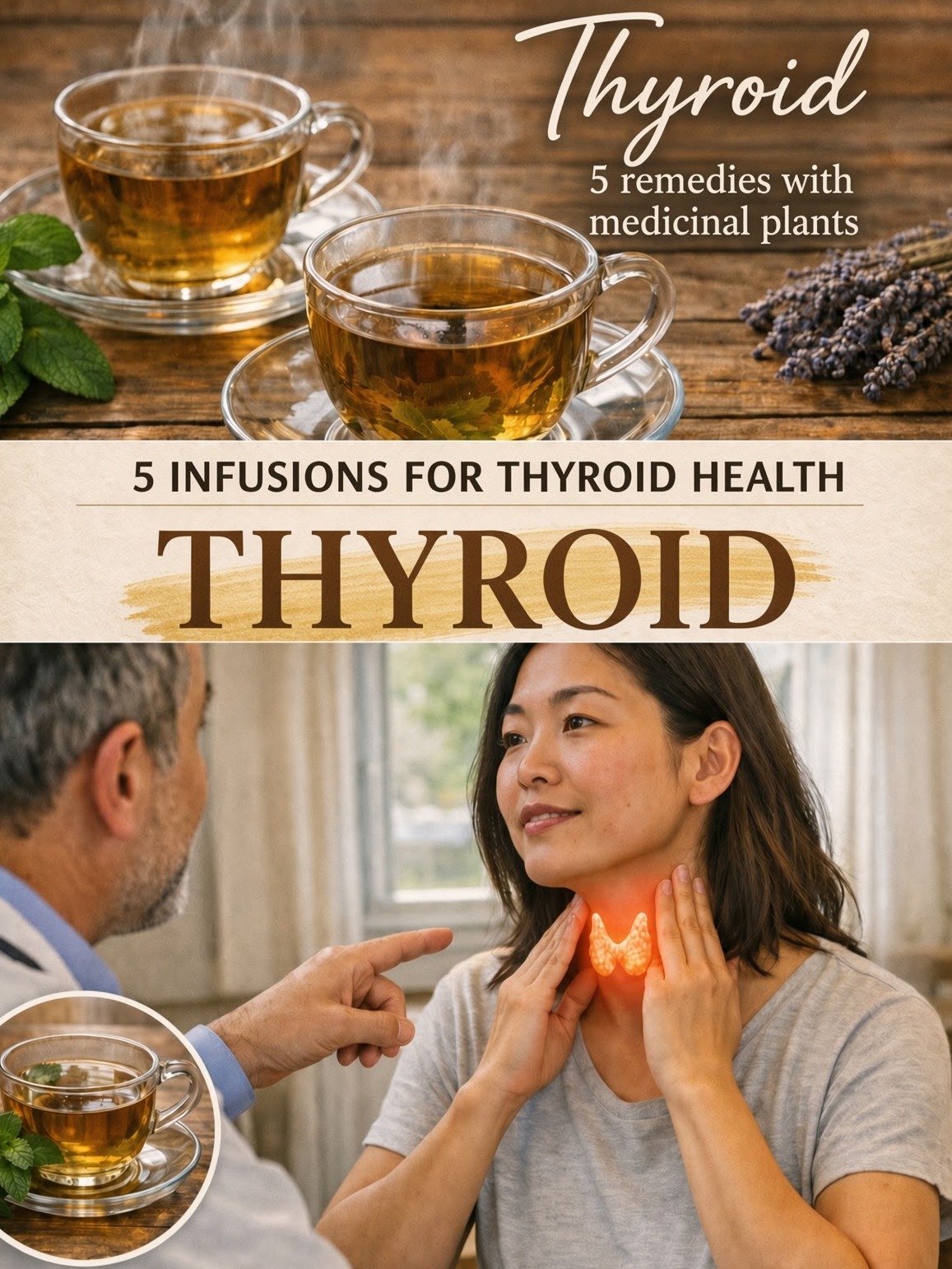
In this comprehensive article, we’ll dive into five specific herbs and plants frequently discussed in connection with thyroid health. We’ll explore what current research suggests about their potential roles and, most importantly, outline the vital precautions you must consider before incorporating them into your routine.
What Exactly Is Hypothyroidism?
Hypothyroidism is a medical condition that arises when your thyroid gland fails to produce an adequate amount of essential thyroid hormones.
Since thyroid hormones play a pivotal role in regulating your metabolism and countless other bodily functions, an underactive thyroid can manifest through a range of symptoms, including:
- Persistent and unexplained fatigue
- Feeling cold more often than others
- Unusually dry skin
- Noticeable changes in hair texture or loss
- Frequent constipation
- Unexplained weight gain
- Overall low energy levels
- Difficulty concentrating or