 By admin
 Have you ever wondered if the simple rosemary sprig sitting in your kitchen could offer more than just a burst of flavor? As more of us hunt for authentic ways to boost our daily wellness, rosemary (Salvia rosmarinus, formerly Rosmarinus officinalis) has emerged as a timeless staple worth a closer look.
While it is famous as a fragrant culinary superstar, rosemary has been cherished for generations in traditional herbal practices and home remedies.
Its iconic, woody scent comes from powerhouse compounds like rosmarinic acid, carnosol, and 1,8-cineole. Scientists have spent years examining these components for their antioxidant potential and unique biological activities.
However, it is vital to keep your expectations grounded: while rosemary is a fantastic, health-conscious addition to your lifestyle, it is not a medical cure or a substitute for professional healthcare.
Let’s dive into how you can safely and effectively enjoy rosemary at home.
🌿 What Makes Rosemary Special?
Rosemary is far more than just a seasoning for roast chicken.
It is packed with a complex profile of plant-based compounds, including aromatic oils and polyphenols that researchers have been studying for years.
Current research explores rosemary’s role in several key areas:
-
Potent antioxidant activity
-
Supporting the body’s natural response to oxidative stress
-
Providing calming or invigorating sensory effects
-
Potential links to improved focus and cognitive sharpness
-
Traditional uses for digestive comfort
While some laboratory and small-scale human trials show promise, remember that results vary wildly depending on whether you are eating the herb, sipping it as tea, or using highly concentrated extracts. Always distinguish between enjoying rosemary as a culinary herb and using it as a heavy-duty supplement.
🍵 1. Rosemary Tea for a Relaxing Herbal Routine
Brewing a cup of rosemary tea is the easiest way to start your day with a bit of herbal support.
Ingredients
-
1 teaspoon dried rosemary leaves
-
1 cup of boiling water
Preparation
-
Bring your water to a rolling boil.
-
Place your rosemary leaves into your favorite mug or a tea infuser.
-
Pour the hot water directly over the herbs.
-
Cover the cup and let it steep for 5–10 minutes to release the oils.
-
Strain out the leaves and enjoy.
Sip it warm. There is no need for sweeteners, though a squeeze of lemon adds a bright, refreshing twist.
Important Note
Treat this as a soothing beverage; it is not a clinically proven treatment for inflammation, anxiety, or any specific medical condition.
🫒 2. Rosemary-Infused Oil for Massage
A homemade rosemary-infused oil is perfect for soothing tired muscles in your arms, shoulders, or legs.
Ingredients
-
Fresh rosemary sprigs
-
Approximately 250 ml of olive oil (or another gentle carrier oil)
Preparation
When making oils at home, safety is paramount. Using completely dried rosemary is essential, as any residual moisture can lead to unwanted microbial growth.
Follow this safer method:
-
Ensure your rosemary is fully dehydrated.
-
Place the dried herb into a clean, sterilized, and perfectly dry glass jar.
-
Pour your carrier oil over the herbs until fully submerged.
-
Store the jar in a cool, dark location away from sunlight.
-
Strain the herbs out after the infusion process is complete.
-
Store in a clean container and use within a reasonable timeframe.
If you notice any strange odors, color changes, or mold, discard the oil immediately.
How to Use It
Massage a small amount gently onto your skin. Avoid any areas that are broken, irritated, or sensitive.
🛁 3. Rosemary Aromatic Bath
Transform your evening soak into a spa-like experience with a rosemary-infused bath.
How to Prepare It
Simply toss a handful of fresh rosemary into your warm bathwater.
Let the herbs steep for a few minutes before you step in to allow the aromatic oils to fill the room.
Soak for 10–15 minutes to unwind. The scent is incredibly calming and refreshing.
Just a reminder: while this is a wonderful sensory ritual, avoid believing claims that rosemary baths can “detox” your organs or magically fix circulation issues.
🧠 Rosemary and Mental Focus
One of the most intriguing areas of study is how rosemary’s scent affects the brain.
Small studies have tested whether the aroma of rosemary can influence alertness, memory, and concentration. While the findings are fascinating, they are not evidence that rosemary can treat neurological disorders or stop memory loss.
That said, filling your workspace with the scent of fresh rosemary while you study or work is a lovely, low-risk way to enhance your environment.
🍽️ The Simplest Way to Use Rosemary: Cooking
You don’t need a fancy recipe to reap the benefits of this herb. Just add it to your daily meals!
Try experimenting with:
-
Roasted root vegetables
-
Crispy baked potatoes
-
Lemon-herb chicken
-
Baked fish fillets
-
Savory bean stews
-
Hearty soups
-
Whole grain side dishes
-
Homemade salad dressings
-
Infused olive oil marinades
Cooking with rosemary is the easiest way to boost your diet. It packs a massive punch of flavor, helping you cut down on excess salt and sugar without sacrificing taste.
🌱 Potential Benefits of Rosemary
When used as part of a balanced diet, rosemary offers several perks:
✔️ Antioxidant compounds
It is a natural source of plant compounds that fight oxidative stress.
✔️ Flavor without excessive salt
Its robust, piney scent makes food taste better, reducing the need for salt.
✔️ A pleasant herbal beverage
It’s the perfect caffeine-free alternative for your afternoon tea break.
✔️ A relaxing sensory experience
Whether in a bath or a diffuser, the aroma creates a calming vibe.
✔️ Dietary variety
Using diverse herbs ensures you get a wider range of beneficial plant compounds.
Remember, these are supportive perks, not miracle medical solutions.
⚠️ Rosemary Safety: What You Should Know
While a pinch of rosemary in your pasta is perfectly safe, concentrated forms require more care.
Pregnancy and breastfeeding
Avoid medicinal doses or concentrated rosemary extracts during pregnancy unless your doctor gives the green light. Nursing mothers should also check with a professional before using high-potency herbal preparations.
Medical conditions
If you have a history of seizure disorders, consult your healthcare provider before using concentrated rosemary products.
Medications
If you are on blood thinners, blood pressure medication, or diabetes drugs, always check with your pharmacist or doctor before using rosemary supplements, as they can interact with prescriptions.
Essential oil
Never ingest rosemary essential oil. It is highly concentrated and dangerous if swallowed. For topical use, always dilute it in a carrier oil and perform a patch test on your skin first.
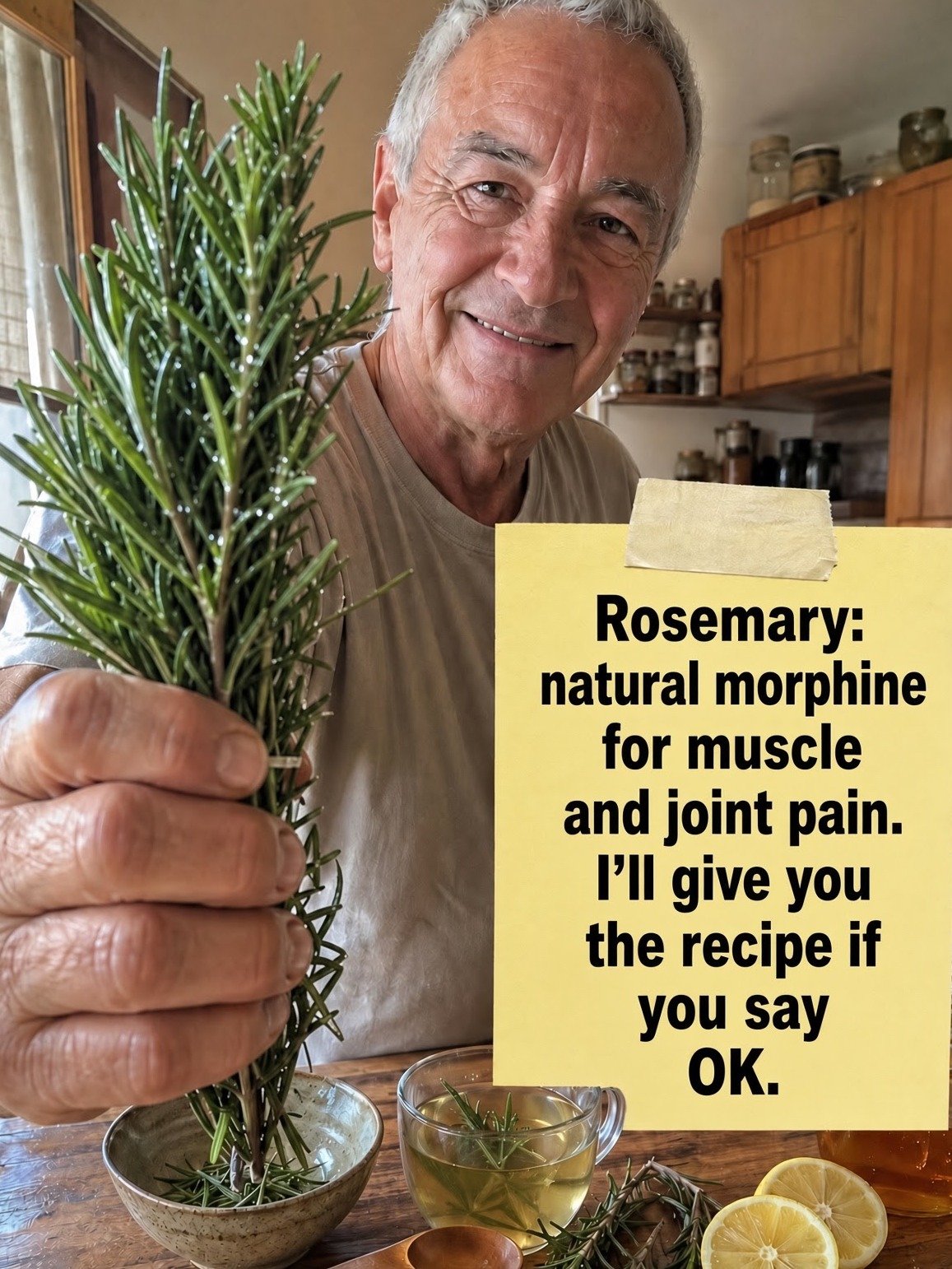
❌ Rosemary Is Not a Miracle Cure
The internet is full of bold claims, but don’t fall for the hype. Rosemary cannot:
-
Cure arthritis
-
Reverse hair loss
-
“Cleanse” your liver
-
Cure diabetes
-
Fix varicose veins
-
Prevent dementia
-
Dramatically improve circulation
-
“Detox” your body of toxins
These myths aren’t backed by science. While rosemary is a great herb, it is never a substitute for a proper medical diagnosis.
🌿 How to Make Rosemary Part of Your Daily Routine
Keep it simple and consistent:
Breakfast: Add chopped rosemary to your morning eggs or savory veggie scrambles.
Lunch: Sprinkle it over grilled fish, chicken, or roasted chickpeas.
Afternoon: Relax with a warm cup of rosemary tea.
Evening: Use the scent in a warm bath to signal to your brain that it’s time to wind down.
Consistency is key. Small, daily habits always outperform looking for a “quick fix” herb.
🌱 Final Thoughts
Rosemary is a versatile, legendary herb with a long history of culinary and traditional use. Its unique chemistry—featuring rosmarinic acid and aromatic oils—makes it a fascinating subject for researchers and a beloved staple in our kitchens.
Whether you are cooking with it, drinking it as a tea, or enjoying its calming aroma, rosemary is a wonderful addition to a holistic approach to self-care.
But never forget:
Rosemary is a supportive herb, not a magic medicine.
Use it wisely, stay cautious with concentrated oils, and always prioritize science-based medical care for your health concerns. Ultimately, the best path to wellness is the one you can stick to: wholesome food, regular movement, quality sleep, and consistent, small healthy choices.