 By admin
 Have you been scrolling through social media, seeing claims that a simple carrot and beetroot juice can miracle-cure complex health issues? Before you start juicing, it is time to peel back the layers of hype and look at the actual science behind this popular health tonic.
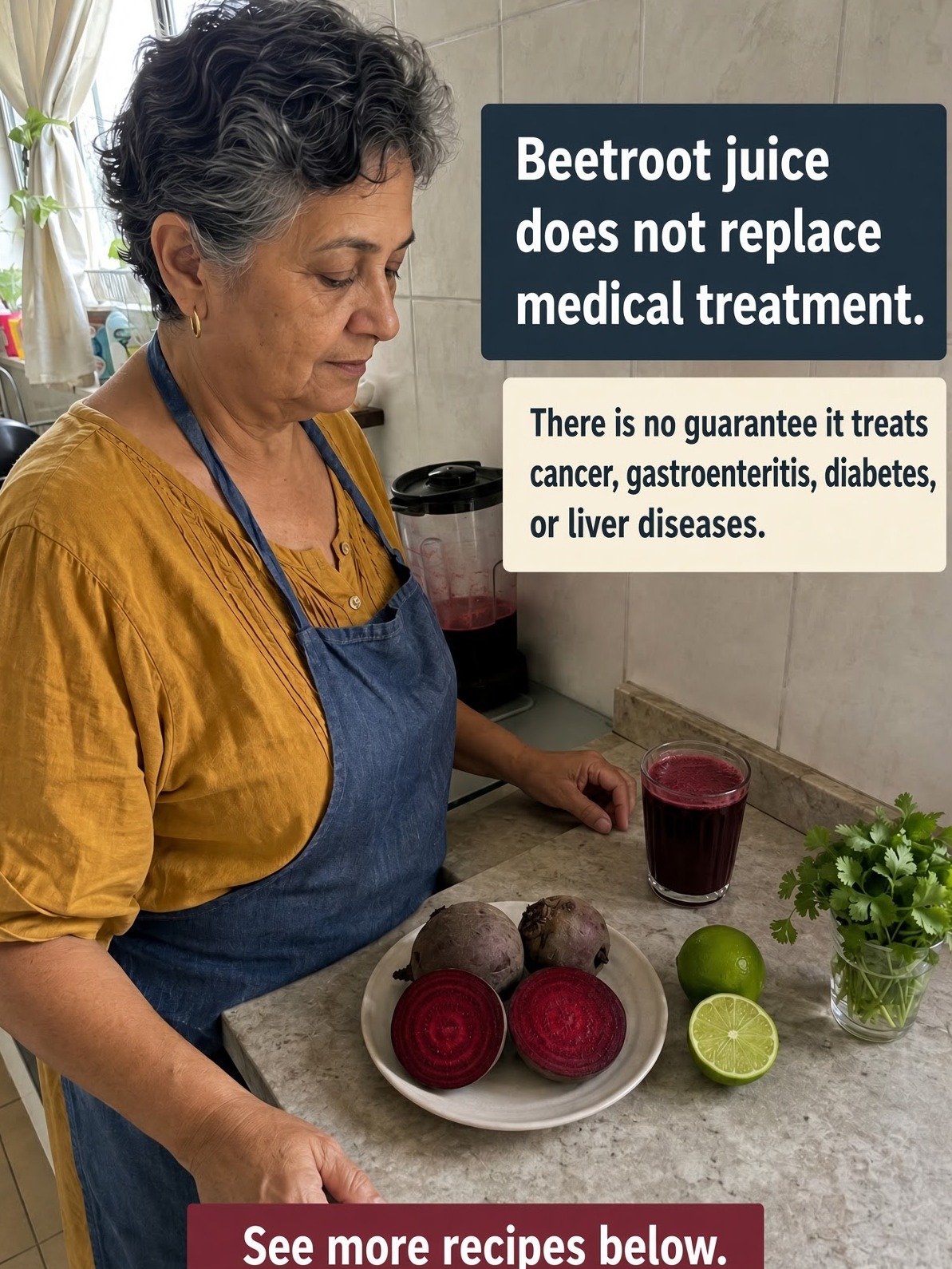
While this vibrant juice is a staple in many holistic health circles for its dense supply of folate, potassium, carotenoids, and natural nitrates, it is vital to distinguish between general wellness and medical reality. To be clear: drinking carrot and beetroot juice will not cure uterine fibroids, ovarian cysts, or anemia. While this drink can certainly be part of a healthy lifestyle, any persistent or concerning symptoms require a professional medical diagnosis rather than a DIY kitchen remedy.
🥕 The Real Nutritional Value of Carrots
Carrots are globally celebrated for their massive beta-carotene content, which acts as a powerful precursor that your body transforms into vitamin A.
Beyond that, they offer a host of essential nutrients:
- Potassium
- Dietary Fiber
- Carotenoids
- Antioxidant compounds
- Essential micronutrients including vitamin C
Vitamin A is fundamental for maintaining sharp vision, a robust immune system, and healthy cellular tissue. Rather than relying on the myth that carrots can magically “rebalance your hormones,” it is much more accurate to view them as a stellar way to support your overall nutritional health.
❤️ Getting to Know the Power of Beetroot
Beetroot is a nutritional powerhouse, packed with a unique combination of folate, potassium, nitrates, and specialized pigments known as betalains.
The dietary nitrates found in beets are converted into nitric oxide, which plays a key role in optimizing blood-vessel dilation and healthy circulation. Because of this, many people find beetroot to be an excellent addition to their diet for supporting:
- Cardiovascular health
- Physical performance and stamina
- Optimal blood-vessel function
- Increased intake of protective antioxidants
However, no matter how beneficial these nutrients are, beetroot juice is not a medical treatment for anemia or complex gynecological health issues.
Can Carrot and Beetroot Juice Treat Fibroids or Ovarian Cysts?
The short answer is no.
Uterine fibroids and ovarian cysts are distinct medical conditions with complex underlying causes. Currently, there is zero scientific evidence suggesting that any juice blend can cause these growths to shrink or disappear. While a balanced, nutrient-dense diet is wonderful for your general well-being, it is absolutely not a substitute for the following:
- Routine gynecological examinations
- Professional diagnostic testing like ultrasounds
- Necessary prescription medications
- Surgical interventions when deemed required
- Evidence-based treatment plans from your doctor
If you are experiencing symptoms like pelvic pain, heavy menstrual bleeding, or abdominal swelling, you must consult a healthcare provider rather than betting your health on home remedies.
🩸 The Truth About Anemia
When it comes to anemia, the details matter significantly.
While beetroot contains trace amounts of iron, it is not a concentrated source, especially when compared to nutrient-dense foods like lean meats, seafood, legumes, and fortified grain products. Furthermore, the iron in plant-based foods is non-heme iron, which is absorbed far less efficiently by the body than the heme iron sourced from animals.
If you have a confirmed diagnosis of iron-deficiency anemia, drinking beetroot juice alone will likely not be enough to reverse the condition. However, you can boost your body’s absorption of plant-based iron by pairing it with vitamin C. Consider these combinations:
- Lentils paired with bell peppers
- Beans served with tomatoes
- Spinach mixed with citrus fruits
- Fortified breakfast cereals with fresh strawberries
Always work with a professional to determine if you need supplements or medical intervention to address the root cause of your iron loss.
🥤 How to Whip Up Your Own Carrot and Beetroot Juice
Ingredients
- 1 medium carrot
- 1 small beetroot
- 200–250 ml of fresh water
- A splash of fresh lemon juice (optional)
- A touch of honey (optional)
Preparation
- Thoroughly scrub and wash your carrot and beetroot.
- Peel them if you prefer and chop them into manageable pieces.
- Toss the vegetables into a high-speed blender with the water.
- Blend the mixture until you achieve a smooth consistency.
- Use a strainer if you prefer a lighter, juice-like texture.
- Stir in the lemon juice just before you serve.
If you want to maximize the health benefits, skip the strainer! Keeping the pulp in the drink ensures you get the fiber, making it an unstrained, whole-food vegetable blend.
⏰ How Often Should You Drink It?
There is no medically recognized “dosage” for this juice that acts as a cure for fibroids, cysts, or anemia. For most individuals, enjoying a moderate serving occasionally is a fantastic way to supplement a healthy, varied diet.
If you are managing conditions like diabetes, kidney disease, or low blood pressure, or if you are on specific medications, make sure to chat with your doctor before adding concentrated vegetable juices to your daily routine.
⚠️ Important Precautions
Don’t be alarmed if your urine or stools take on a reddish hue after consuming beets; this is a harmless occurrence known as beeturia, though it can easily be mistaken for blood by the unaware. Keep these other points in mind as well:
- Juicing removes much of the beneficial fiber found in whole vegetables.
- Avoid turning your healthy juice into a sugar bomb by adding excessive honey or syrups.
- Those prone to kidney stones should consult a doctor before consuming high amounts of beetroot.
- Never assume that an unexplained case of anemia is simply a dietary issue.
- Persistent heavy menstrual bleeding is a medical concern that requires professional evaluation.
🌿 The Bottom Line
Carrot and beetroot juice is a delicious, nutritious addition to a balanced diet that provides a nice boost of folate, nitrates, potassium, and antioxidants.
However, viral claims that this juice can shrink fibroids, dissolve cysts, detoxify your liver, or act as a cure for anemia are simply not backed by valid clinical evidence. Enjoy this drink for the nutrients it offers, but treat it as a supplement, not a medical cure-all.
Healthy habits support your body, but diagnosed medical conditions always require professional medical care.