 By admin
 We all have it sitting in our pantry, but have you ever wondered if that box of baking soda is actually a secret health elixir? Known scientifically as sodium bicarbonate (NaHCO₃), this potent alkaline compound is much more than just a kitchen staple.
Because of its ability to neutralize acidity, sodium bicarbonate has earned a legitimate spot in modern medicine. You will often find it as a key component in over-the-counter antacids designed to provide quick, temporary relief for indigestion and heartburn.
In clinical settings, doctors may use specialized forms of sodium bicarbonate to manage specific, acute medical conditions under strict observation. However, it is vital not to conflate these controlled, professional uses with the dangerous trend of drinking baking soda as a “cure-all” for every health ailment.
9 Things You Should Know About Baking Soda
1. It May Provide Temporary Relief From Heartburn
One of the most widely recognized benefits of sodium bicarbonate is its chemical capacity to neutralize stomach acid effectively.
While this can offer short-term comfort during a bout of acid indigestion, it is not a long-term solution. If you suffer from frequent heartburn, it could be a sign of GERD or another underlying issue; repeatedly masking these symptoms with baking soda without seeking a professional diagnosis is strongly discouraged.
2. It Can Help Neutralize Acidity
As an alkaline substance, sodium bicarbonate acts as a direct antagonist to acidic environments.
This chemical reaction is exactly why it is utilized in various antacid products. But keep this crucial fact in mind:
Baking soda does not permanently change your body’s overall pH.
Your lungs and kidneys work in perfect harmony to maintain your blood pH at a very precise level. Attempting to force an “alkaline state” by consuming large quantities of baking soda is not just ineffective—it can be downright hazardous to your health.
3. It Has Specific Medical Uses Under Supervision
There are instances where medical professionals use sodium bicarbonate to treat severe issues like metabolic acidosis.
In these cases, physicians calculate the exact dosage needed and monitor the patient’s vital statistics closely. This is a far cry from the practice of self-administering baking soda at home as part of a daily wellness routine.
4. It Does Not Cure Diabetes
The viral claims suggesting that baking soda can naturally reverse diabetes or lower blood sugar are not supported by sufficient clinical evidence.
Diabetes is a sophisticated metabolic condition that requires a comprehensive approach to treatment, which may involve:
- Healthy nutrition
- Physical activity
- Blood-glucose monitoring
- Oral medications
- Insulin
- Other treatments prescribed by a healthcare professional
Under no circumstances should you ever replace diabetes medication or professional medical care with baking soda.
5. It Is Not a Proven Treatment for Anxiety
You may stumble upon online theories claiming that balancing your body’s pH with baking soda can alleviate anxiety.
Currently, there is zero scientific proof that drinking baking soda has any impact on anxiety disorders. Chronic anxiety is a complex mental health issue that is best addressed through professional therapy, lifestyle adjustments, and medically approved treatments.
6. It Is Not a Sleep Remedy
If you are struggling with insomnia, there is no reliable evidence to suggest that a glass of baking soda before bed will help you drift off.
If sleep remains elusive, it is far more effective to focus on sleep hygiene, such as sticking to a consistent schedule and limiting stimulation before bed. Persistent insomnia is a medical matter that deserves a proper evaluation rather than a pseudo-scientific home remedy.
7. Baking Soda Does Not Treat Depression
Depression is a severe condition, and there is absolutely no evidence that sodium bicarbonate acts as an effective intervention.
If you feel constantly hopeless, sad, or disconnected, please understand that this is not simply a symptom of an “acidic body.” Seeking help from a mental health professional is a much safer and more effective path than attempting to fix your body’s pH on your own.
8. It Is Not a Proven Treatment for Arthritis or Chronic Joint Pain
Some internet bloggers suggest that baking soda can “neutralize the acids” causing joint pain or arthritis.
However, there is not enough evidence to recommend drinking baking soda as a treatment for arthritis.
Joint pain has many roots—including gout, osteoarthritis, rheumatoid arthritis, or injury—and the right treatment depends entirely on identifying that specific cause.
9. It May Have Limited External Uses
While drinking it is generally ill-advised, certain external uses of baking soda can sometimes offer relief.
It is occasionally used in home remedies to soothe minor skin irritations or itching. However, never apply it to open wounds, and do not use it as a replacement for proper medical treatment if you have a persistent or worsening skin condition.
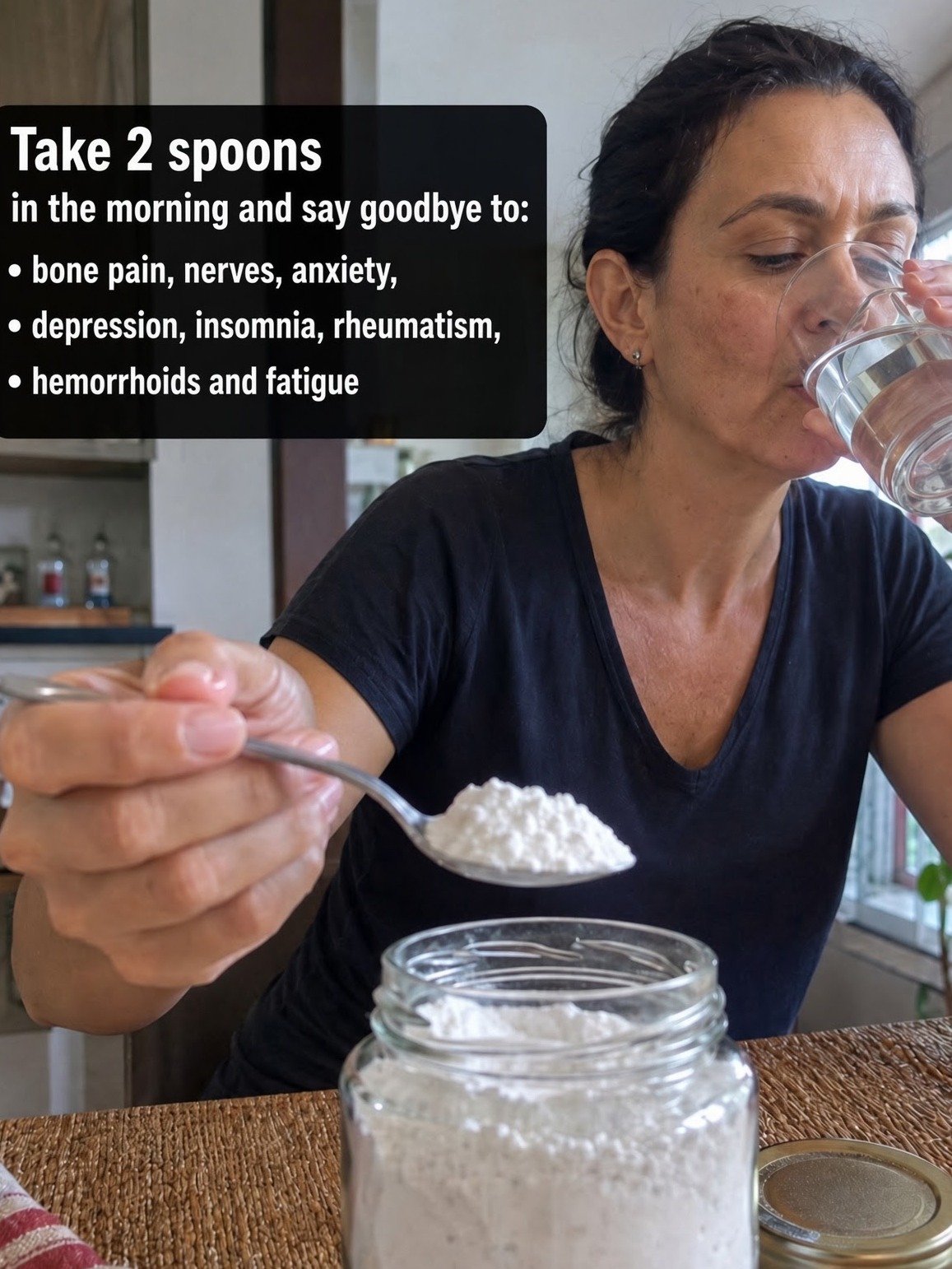
Can Baking Soda Give You More Energy?
A common myth suggests that a baking soda “boost” can eliminate chronic fatigue and improve metabolism.
There is no good evidence that drinking baking soda is an appropriate treatment for chronic fatigue.
Ongoing exhaustion is often a symptom of underlying issues, such as:
- Poor sleep
- Iron deficiency
- Thyroid problems
- Diabetes
- Medication side effects
- Stress
- Depression
- Other medical conditions
If fatigue is dragging on for weeks, don’t gamble with baking soda; consult a doctor to uncover the actual cause.
What About Baking Soda and Exercise?
This is the one area where science takes a slightly different view.
Sodium bicarbonate has been explored in sports nutrition because it can influence how the body handles acidity during intense physical exertion.
Some research indicates that carefully planned, professional-grade doses might aid performance in short, high-intensity bursts. This absolutely does not mean it is a daily tonic for the average person.
The high doses used in these studies can cause significant digestive distress. Athletes interested in this should consult with a qualified sports nutritionist rather than experimenting alone.
⚠️ Is Drinking Baking Soda Safe?
This is the most critical takeaway: Natural does not automatically mean harmless.
Baking soda is extremely high in sodium. Consuming it in excess can lead to:
- Nausea
- Vomiting
- Abdominal discomfort
- Diarrhea
- Excess sodium levels
- Fluid retention
- Electrolyte disturbances
- Changes in blood chemistry
In extreme cases, high consumption of sodium bicarbonate can lead to dangerous, life-threatening complications.
Who Should Be Especially Careful?
If you have pre-existing health conditions, you must avoid medicinal use of baking soda unless you have cleared it with your doctor. This is particularly important for those with:
- High blood pressure
- Heart disease
- Kidney disease
- Liver disease
- Conditions requiring sodium restriction
- Electrolyte abnormalities
Always speak to a healthcare professional if you are on prescription medication before adding sodium bicarbonate to your routine.
❌ Don’t Follow Viral “Baking Soda Detox” Recipes
Perhaps the most concerning online trend is the push to drink large amounts of baking soda in water to “detoxify” your system.
Your body does not need a baking soda detox.
Your liver and kidneys already perform essential roles in processing and eliminating waste products. Adding more baking soda will not accelerate this process; it will only overwhelm your system.
What About the Claim That Baking Soda “Alkalizes the Body”?
This is a major medical misconception.
Your body has highly sophisticated buffers—including your lungs, kidneys, and chemical regulators—to keep your blood pH in a very tight, healthy range.
Drinking baking soda alters your body’s chemistry in ways that are not the same as “alkalizing” it for health. In fact, significantly shifting your blood pH can lead to dangerous medical outcomes.
A Safer Approach to Using Baking Soda
If you are considering using baking soda for any health-related purpose, ignore the viral social media trends and follow these steps instead:
- Identify the reason you want to use it.
- Check whether there is scientific evidence for that use.
- Consider the sodium content.
- Check for medication interactions.
- Ask a healthcare professional if you have a chronic condition.
- Stop if you develop unusual or concerning symptoms.
Above all else, do not use baking soda as a replacement for prescribed medication.
Baking Soda: Myths vs. Reality
| Claim | What the evidence suggests |
|---|---|
| Cures diabetes | ❌ Not proven |
| Treats depression | ❌ Not established |
| Cures anxiety | ❌ Not established |
| Treats insomnia | ❌ Not established |
| Eliminates chronic fatigue | ❌ Not proven |
| Cures arthritis | ❌ Not proven |
| Detoxifies the body | ❌ Misleading |
| Neutralizes stomach acid | ✅ Yes, temporarily |
| Has specific medical uses | ✅ Yes, under appropriate medical supervision |
| Can improve athletic performance in certain situations | ⚠️ Possible, but requires appropriate dosing and guidance |
Final Thoughts
Baking soda is a versatile kitchen ingredient with real chemical and medical applications, but the health claims circulating online are frequently blown out of proportion.
While it works for temporary acid relief and specific clinical scenarios, there is zero evidence that it cures chronic conditions like diabetes, anxiety, depression, or arthritis. Stop looking for “hacks” and rely on the basics.
Use baking soda for appropriate purposes, avoid excessive consumption, and never replace medical treatment with a viral home remedy.
A healthy diet, regular physical activity, adequate sleep, stress management, and appropriate medical care remain far more important for long-term health than any single ingredient in your kitchen.