 By admin
 Can Activated Charcoal Really Darken Gray Hair?
Are you tired of seeing those stubborn gray roots peeking through, desperate for a natural fix that actually works? The internet is buzzing with a seemingly miraculous DIY solution. Gray hair is a perfectly natural part of the aging process, occurring as hair follicles gradually reduce their melanin production – the pigment responsible for your hair’s natural color.
This natural progression leads many individuals to actively seek out alternatives for camouflaging white and gray hairs, hoping to avoid the constant cycle of chemical dyes.
One particular combination that has recently exploded in popularity across social media platforms involves activated charcoal and lemon. The bold claim is that this simple mixture can visually darken gray strands and effectively lessen the stark contrast at the roots.
However, it’s crucial to understand the significant distinction between temporarily altering the hair’s appearance and genuinely restoring its natural pigmentation from within.
What Can Activated Charcoal Actually Do for Your Hair?
Activated charcoal is widely recognized for its incredibly porous structure and remarkable ability to adsorb various substances onto its surface.
When applied topically, the dark particles of activated charcoal might temporarily cling to the surface of hair strands, a phenomenon particularly noticeable on more porous hair types.
This superficial coating can lead to some lighter strands appearing visibly darker or less vibrant for a limited duration.
Nevertheless, it’s vital to clarify that this effect does not imply activated charcoal possesses the power to reactivate melanocytes or permanently restore melanin production deep within the hair follicle.
To put it simply:
While activated charcoal might alter the superficial appearance of hair, there is no scientific evidence to suggest it can reverse the biological process responsible for graying hair.
And What About Lemon? Why Is It Included in These Recipes?
Lemon juice is naturally acidic, a property that can temporarily modify the hair’s outer surface.
For this very reason, some DIY hair recipes incorporate lemon alongside ingredients that are intended to leave a cosmetic layer on the hair strands.
However, exercising caution is extremely important.
Lemon can be quite irritating to the scalp and, if it remains on the skin while exposed to sunlight, it significantly increases the risk of adverse skin reactions like phytophotodermatitis. Furthermore, the frequent application of acidic substances has the potential to leave certain hair types feeling drier or more brittle over time.
Therefore, applying lemon directly to the scalp or leaving such a mixture on for extended periods is not a recommended practice.
Why Do Gray Hairs Appear Lighter?
The visual appearance of gray hair isn’t solely determined by the absence of pigment.
The hair strand’s texture, its inherent porosity, and the way light interacts with and reflects off it also play a substantial role in its overall look.
This is precisely why white hairs can often appear exceptionally bright and noticeable, especially when exposed to strong lighting.
The areas that typically draw the most attention include:
- Roots
- Temples
- Hairline Part
- Crown of the Head
- Face-Framing Hair
When there’s a significant contrast between darker hair and white strands, even a few gray hairs can become much more prominent and noticeable.
Not exactly.
A homemade application of activated charcoal simply does not function in the same manner as a permanent hair dye.
Conventional hair dyes employ specific molecules and chemical processes meticulously developed to deeply modify the hair’s color from within the cuticle.
In contrast, activated charcoal can merely deposit dark particles onto the surface of the hair strands, with the effectiveness varying based on hair type and the specific concoction used.
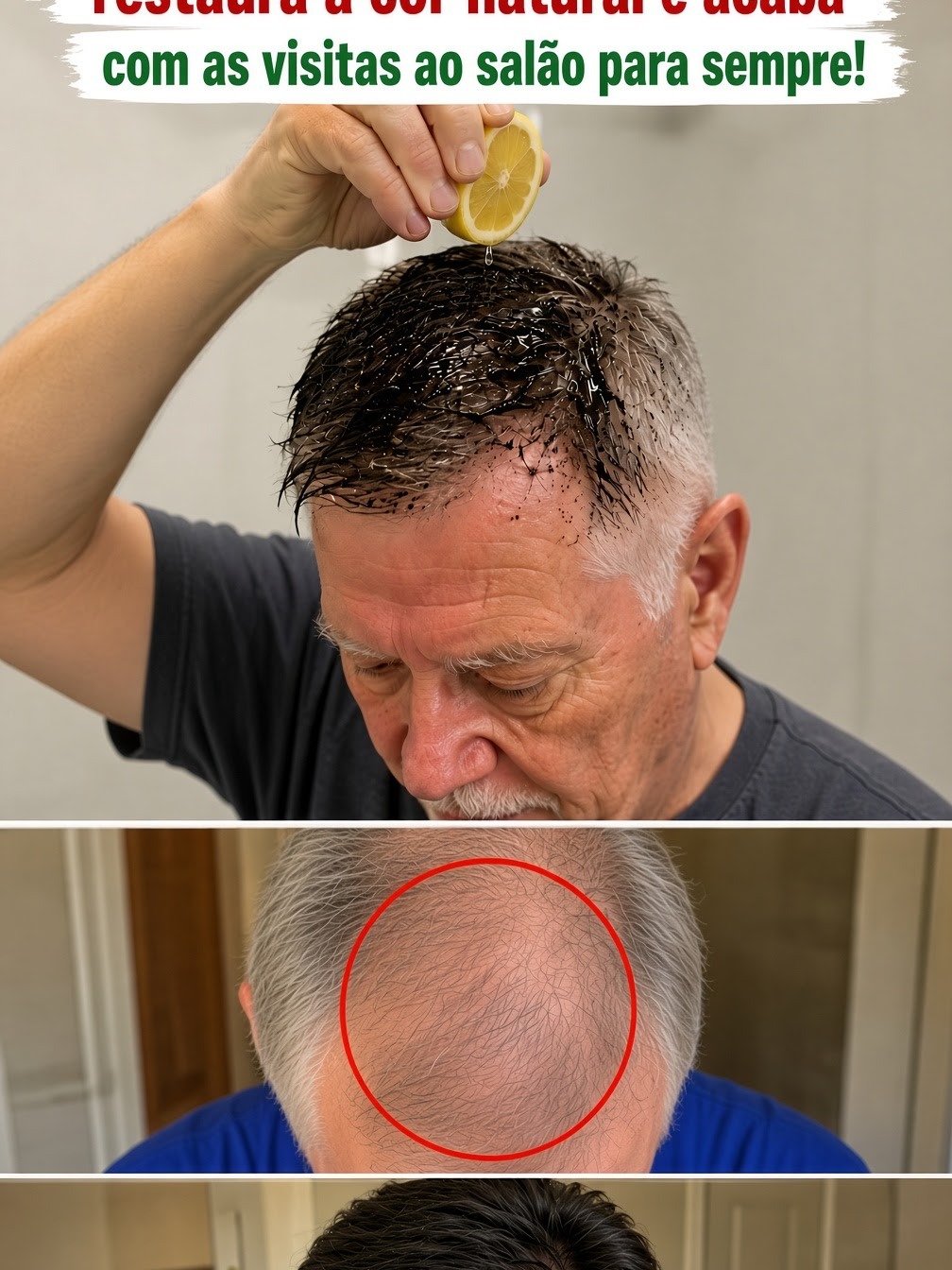
Consequently, any visual effect achieved is likely to be temporary and often quite inconsistent.
The outcome can also differ significantly from one individual to another, making it unpredictable.
Can Gray Hair Revert to Its Natural Color?
In the vast majority of cases, gray hair is directly linked to a diminished production of melanin within the hair follicles.
A homemade recipe should never be promoted as a miraculous solution capable of “awakening dormant pigmentation” or permanently restoring the hair’s original color.
Genetics, age, and a multitude of other biological factors all play crucial and interconnected roles in the natural process of hair graying.
If you notice a very sudden onset of white hair or if its appearance is accompanied by other unusual changes, it’s always advisable to consult with a healthcare professional to explore any potential underlying causes.
Essential Precautions Before Trying DIY Hair Recipes
If you are still considering experimenting with an activated charcoal mixture on your hair, it’s absolutely essential to take certain precautions.
1. Conduct a Patch Test on a Small Area
Before applying any new mixture to your scalp or a large section of your hair, always perform a proper patch test on a small, inconspicuous area to check for any potential adverse reactions.
2. Avoid Contact with Eyes
Mixtures that contain fine particles or acidic substances can potentially cause significant eye irritation.
3. Exercise Caution with Lemon
Lemon juice can be a skin irritant and should not be used indiscriminately or excessively on the scalp.
4. Do Not Expect Permanent Results
Any visual alteration caused by particles deposited onto the hair strand will inevitably be temporary and wash out over time.
5. Don’t Confuse Camouflage with Treatment
Visually darkening a few strands of hair is an entirely different process from genuinely restoring melanin production within the hair follicle.
Safer Alternatives for Concealing Gray Hair
For those who wish to temporarily reduce the appearance of white or gray strands, it’s highly recommended to consider products specifically formulated and developed for hair, such as:
- Toning masks
- Root touch-up sprays
- Pigmented shampoos or conditioners
- Semi-permanent hair colors
- Permanent hair color, when appropriate
These professionally formulated products are designed for cosmetic use and typically offer far more predictable and reliable results compared to improvised homemade mixtures.
The Unvarnished Truth About Activated Charcoal and Gray Hair
The concept of using simple, natural ingredients to camouflage gray hair is undoubtedly intriguing, but it’s absolutely crucial to distinguish between mere curiosity and genuine scientific evidence.
While activated charcoal can indeed impart a darker appearance to certain surfaces, there is no robust scientific evidence whatsoever to suggest that it can reactivate melanin production in follicles or permanently eliminate gray hair.
Therefore, if a homemade recipe manages to make your hair appear temporarily darker, this should be understood purely as a superficial cosmetic effect, rather than a genuine reversal of the hair aging process.
Frequently Asked Questions (FAQs)
Can activated charcoal eliminate gray hair?
No, there is no scientific evidence to support the claim that activated charcoal can eliminate or permanently reverse gray hair.
Can activated charcoal make hair darker?
Depending on the hair type and application method, dark particles from activated charcoal might temporarily alter the superficial appearance of hair strands.
Does lemon make hair revert to its natural color?
No. Lemon has not been shown to have any ability to restore melanin production within hair follicles.
Is there a natural recipe that eliminates white hair?
As of now, there is no scientifically proven homemade recipe capable of permanently reversing the natural process of hair graying.
How can I conceal gray hair without permanent dye?
Products such as root touch-up sprays, toning masks, and semi-permanent hair colors can offer temporary and more predictable alternatives.
The Final Verdict
The idea of using activated charcoal for gray hair might initially seem like a straightforward and inexpensive solution for those hoping to visually lessen the contrast of their roots. However, it’s absolutely crucial to grasp that any potential superficial darkening does not equate to the restoration of your hair’s natural pigmentation.
If your objective is to care for your gray hair and enhance its overall appearance, a combination of appropriate hair care routines, a balanced diet, and cosmetic products specifically formulated for this purpose will generally offer a much safer and more effective approach.
Ultimately, gray hair is a natural change – and embracing and caring for it properly can be far more rewarding than trying to eliminate it at all costs.