 By admin
 Have you seen the buzz around the latest “miracle” herbal tea blend sweeping social media? Before you head to your kitchen to brew a cup of poleo oregano, bay leaf, and guava, you need to separate the folklore from the cold, hard facts.
For generations, people across the globe have leaned on simple, homemade infusions crafted from garden herbs and leaves. One specific, popular blend combines poleo oregano, bay leaves, and guava leaves into an aromatic tea frequently touted as a health-boosting elixir.
While these plants contain natural compounds like antioxidants and phytochemicals, it is vital to be clear: this herbal infusion is not a medical substitute. It is not a cure for diabetes, high blood pressure, cancer, or any other serious health condition. Curious about what this blend actually does? Let’s break down the reality behind the trend.
The Three Leaves Used in This Herbal Tea
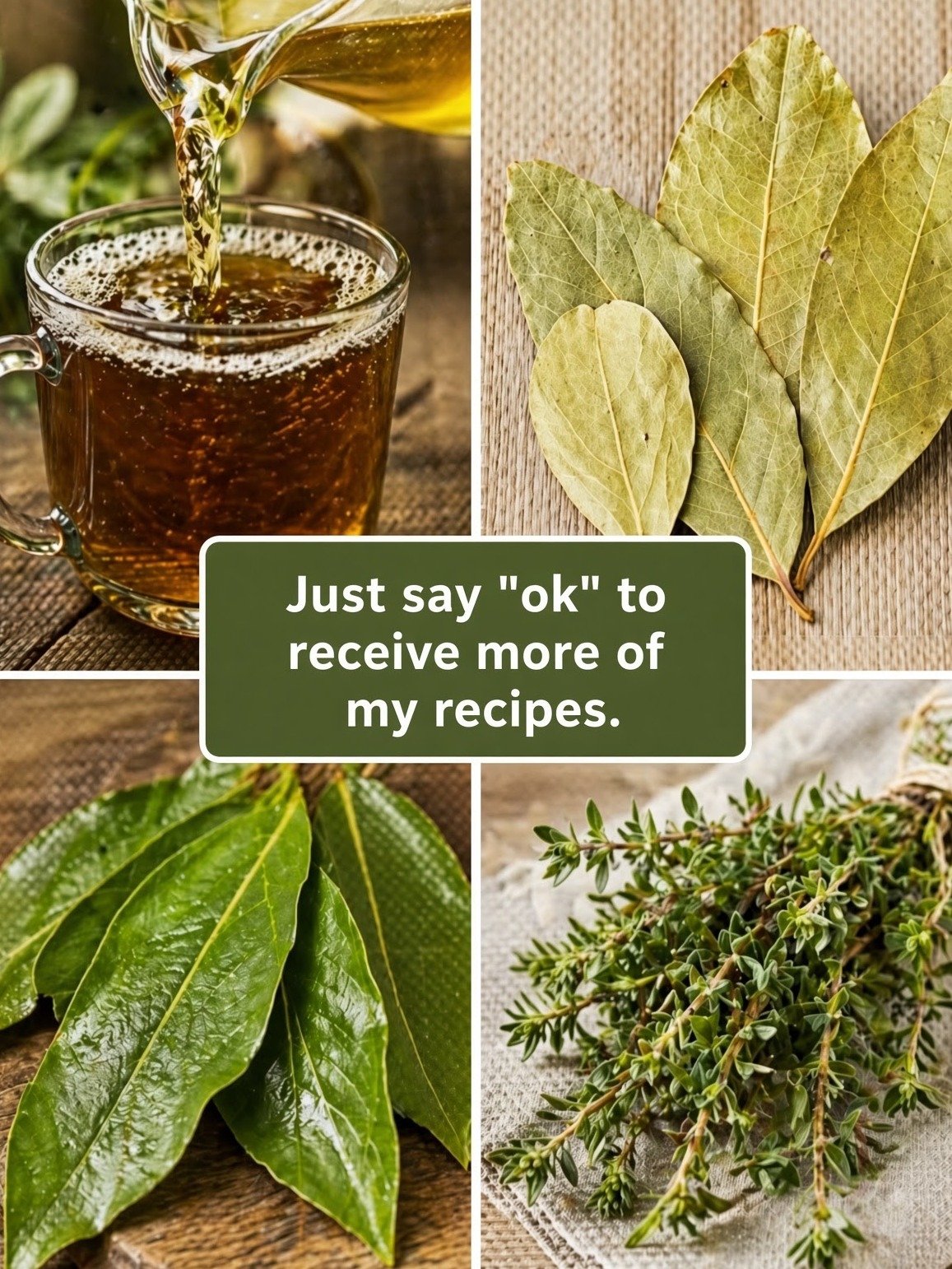
This recipe relies on a trio of common, aromatic ingredients:
-
Poleo oregano leaves
-
Bay leaves
-
Guava leaves
Each of these plants brings its own unique flavor profile and nutritional background to the table.
1. Poleo Oregano Leaves
Poleo oregano is a fragrant herb frequently utilized in both traditional home remedies and culinary arts.
Like many common spices, oregano is rich in natural plant compounds, which have been widely studied for their potential antioxidant and antimicrobial properties.
While its bold, herbal scent adds a distinctive kick to any infusion, remember that the actual impact of your tea depends on the specific plant species, how it was prepared, the dosage, and your own personal health profile.
Why Is Oregano Interesting?
Oregano is packed with phenolic acids and essential oils. While laboratory research into these compounds is fascinating, it is a massive jump to claim that a simple cup of tea can treat or prevent specific diseases in humans.
2. Bay Leaves
Bay leaves are a pantry staple, essential for bringing depth to soups, stews, and savory rice dishes.
Beyond the kitchen, they contain unique plant compounds that release a lovely aroma when steeped. Some researchers have looked into how bay leaf compounds might interact with glucose metabolism, but we are nowhere near the point of prescribing bay leaf tea as a medical treatment for diabetes.
A Simple Tip
Always play it safe: use only culinary-grade bay leaves. Never forage for leaves in the wild just because they look like the ones in your kitchen; plant identification can be tricky and potentially dangerous.
3. Guava Leaves
Guava leaves have been used for centuries in various cultures, prized for their traditional medicinal applications.
They are known for being a source of polyphenols and other bioactive compounds.
What Makes Guava Leaves Interesting?
Guava leaves are a hot topic for their antioxidant content and potential roles in digestive or metabolic health. Even so, current research does not support the idea that guava tea can cure diabetes, lower blood pressure, or replace your doctor’s prescriptions. Treat it as a pleasant, traditional beverage rather than a pharmaceutical replacement.
How to Prepare This Herbal Leaf Tea
If you enjoy the taste and want to try the classic recipe, here is the standard method for preparation.
Ingredients
-
4 poleo oregano leaves
-
4 culinary bay leaves
-
6 fresh guava leaves
-
4 cups of water, approximately 1 liter
Verify that every leaf is correctly identified and safe for consumption.
Instructions
Step 1: Wash the Leaves
Clean your leaves thoroughly under cold, running water to clear away any dirt or residue.
Step 2: Add the Water
Pour about 1 liter of water into your favorite saucepan.
Step 3: Add the Leaves
Drop in the poleo oregano, bay leaves, and the guava leaves.
Step 4: Simmer
Bring your water to a boil, then dial back the heat to a low simmer for 10–15 minutes to extract the flavors.
Step 5: Strain
Take the pot off the burner and pour the mixture through a fine-mesh strainer to catch the solids.
Step 6: Serve
Let it sit for a moment to reach a comfortable temperature. You can enjoy it hot or chilled in the fridge for later.
Can This Herbal Tea Lower Blood Sugar?
You’ve likely seen claims that this tea is a “natural cure” for blood sugar issues. Approach this with extreme skepticism. While certain herbs are studied for their impact on glucose, there is no scientific proof that this specific tea can reliably manage or cure diabetes. If you have diabetes, stick to your medical plan and keep monitoring your levels; never abandon your medication for a herbal drink.
What About High Blood Pressure?
Claims that this tea can naturally lower blood pressure are unsupported by clinical evidence. High blood pressure is a serious cardiovascular risk factor that requires professional management. A healthy diet, regular exercise, adequate sleep, and prescribed medication are the only proven ways to keep your heart health on track.
Can It Improve Circulation?
While the internet often promotes various herbs as “circulation boosters,” poor circulation is frequently a symptom of underlying vascular disease. If you are dealing with swelling, numbness, chest pain, or shortness of breath, skip the tea and see a doctor immediately. Herbal remedies cannot address these critical medical symptoms.
Does This Tea Prevent Cancer?
This is a dangerous claim that requires immediate debunking. While antioxidants in plant foods are part of a healthy diet, no evidence exists that this tea prevents or treats cancer. True cancer prevention focuses on evidence-based habits, such as avoiding tobacco, limiting alcohol, maintaining a healthy weight, and attending routine medical screenings.
When Should You Drink Herbal Leaf Tea?
There is no “magic” time to drink this tea—and definitely no clinical requirement to consume it for exactly 10 days on an empty stomach. If you like the flavor, drink it whenever you want! Just be aware that strong herbal brews on an empty stomach can sometimes cause digestive upset.
Can You Store the Tea?
If you’ve made a large batch, let it cool, put it in a clean container, and store it in the fridge. Do not leave your tea sitting out at room temperature, as it can spoil. When in doubt, toss it out—freshly made tea will always taste better anyway.
Important Safety Considerations
Just because something is “natural” doesn’t mean it’s harmless.
If You Take Prescription Medication
Herbs can be powerful and may interfere with your medication. If you take anything for diabetes, hypertension, or blood clotting, consult your pharmacist before adding this tea to your daily ritual.
If You Have a Chronic Condition
Never swap your prescribed treatment for an herbal tea. This is non-negotiable for those managing serious conditions like heart disease, kidney issues, or cancer.
During Pregnancy or Breastfeeding
Always talk to your doctor before consuming concentrated herbal preparations while pregnant or nursing.
Be Careful With Plant Identification
Only use leaves you have identified with 100% certainty. Many plants look alike, and some can be toxic.
How to Support Your Health Naturally
Stop looking for a “magic bullet” and focus on the foundations of wellness:
-
Load up on fruits and vegetables
-
Choose high-fiber options
-
Prioritize lean proteins
-
Stay hydrated
-
Watch your added sugar intake
-
Stay physically active
-
Get plenty of rest
-
Manage your stress levels
-
Quit smoking
-
Keep up with your doctor’s appointments
Herbal tea can be a nice, relaxing part of your day, but it should never replace the science-backed care you get from your doctor.
Frequently Asked Questions
Can this tea cure diabetes?
Absolutely not. There is no evidence supporting this. Always follow your doctor’s treatment plan.
Can I drink it instead of blood pressure medication?
No. Never replace prescribed hypertension medication with herbal infusions.
Can this tea prevent cancer?
No. There is no proof that this tea has any cancer-preventative properties.
Can I drink the tea every morning?
If you don’t have medical conditions or take interacting medications, it’s a matter of personal preference. Consult a professional if you plan to make it a daily habit.
Can I add honey?
A little honey is fine for taste, but remember it adds sugar. If you are watching your glucose, it’s best to go without.
Final Thoughts
Poleo oregano, bay leaves, and guava leaves make a lovely, aromatic infusion that is fun to prepare at home. While these ingredients have a long history of traditional use, it is critical to distinguish between a nice cup of tea and actual medical treatment.
Enjoy this tea as a relaxing, healthy habit—not as a cure-all for chronic illnesses. Your long-term health depends on evidence-based medical care, regular movement, and a balanced lifestyle.
This article is for general educational purposes only and does not provide medical advice, diagnosis, or treatment.