 By admin
 Have you ever wondered if the secret to better blood sugar balance is hiding in your own backyard? While many people are turning to traditional herbal infusions for health support, the truth behind these natural remedies is more nuanced than a simple social media trend.
Maintaining stable blood glucose levels is a cornerstone of long-term wellness, particularly for those managing prediabetes or diabetes. While a balanced diet, exercise, and clinical treatment remain the gold standards, certain plants have been used for centuries to potentially assist in metabolic regulation. Scientists are currently exploring how specific botanical compounds might influence insulin sensitivity and glucose processing.
However, we must be clear: herbal leaves are never a substitute for prescribed diabetes medication or professional medical advice. In this guide, we’ll dive into the popular leaves used for blood sugar support, what the science actually says, and the critical precautions you need to take before brewing your next cup.
🌿 Why Are Natural Leaves Used for Blood Sugar Support?
The interest in plant-based support stems from the diverse array of bioactive compounds found in nature. Researchers are actively studying these substances to understand how they interact with the human body.
Depending on the specific plant, these natural compounds may potentially help by:
-
Supporting healthy glucose metabolism
-
Modulating the rate of carbohydrate digestion and absorption
-
Promoting better insulin sensitivity
-
Supplying essential antioxidants
-
Acting as a supportive element in a broader, health-conscious lifestyle
These leaves are most commonly prepared as teas or simple hot water infusions. It is vital to note that homemade preparations are rarely standardized; their potency, chemical composition, and effectiveness can vary wildly, and current scientific evidence remains largely preliminary or inconclusive.
🍃 5 Leaves Traditionally Used for Blood Sugar Support
1. Guava Leaves
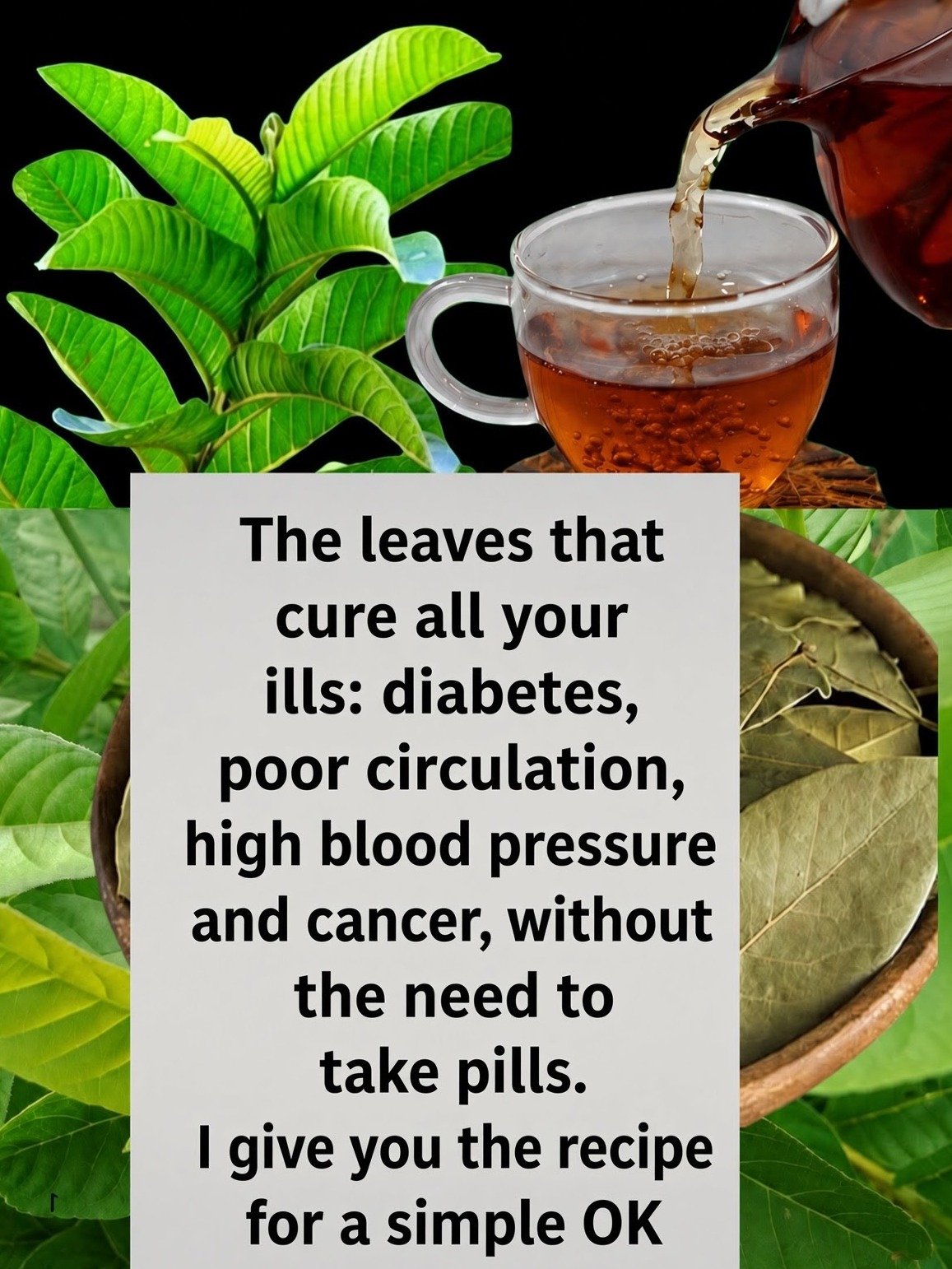
Long favored in various cultures for their medicinal properties, guava leaves are frequently brewed into herbal teas. Recent studies have looked at extracts from these leaves to see how they might affect post-meal glucose spikes and carbohydrate processing. Even so, guava leaf tea is not a clinically proven diabetes cure. It is best enjoyed as a soothing herbal beverage, not as a replacement for your prescribed treatment plan.
2. Insulin Plant (Costus igneus)
True to its nickname, the “insulin plant” has become a staple in many herbal circles due to anecdotal claims regarding blood sugar regulation. While early lab studies on its compounds show some potential, we lack robust, large-scale human clinical trials to confirm its safety or efficacy. Furthermore, patients on glucose-lowering drugs should be extremely careful, as mixing this plant with medication could inadvertently drive blood sugar to dangerous lows.
3. Blackberry Leaves
Blackberry leaves are a classic ingredient in traditional herbal infusions, prized for their rich antioxidant profile. While they are a fascinating subject for nutritional research, there is simply not enough clinical evidence to suggest that drinking blackberry leaf tea significantly lowers human blood glucose. Treat it as a flavorful, optional herbal drink rather than a medical intervention.
4. Mango Leaves
Mango leaves have been utilized in traditional medicine for generations. Researchers have analyzed them for potential metabolic and antioxidant benefits, and while some early findings are intriguing, the data is far from conclusive. It is not sufficient to rely on mango leaf tea to manage diabetes or replace your existing medical regimen.
5. Bay Leaves
Beyond the spice cabinet, bay leaves are often prepared as tea. Specific compounds in these leaves have been investigated for their potential impact on metabolism. Despite some promising initial reports, we need significantly more human-focused research to determine if bay leaf infusions offer any tangible, measurable benefits for blood sugar control.
🫖 How to Prepare a Simple Herbal Infusion
If you choose to incorporate these herbs into your routine, keep your preparation process straightforward and safe.
Ingredients
-
1 tablespoon of fresh or dried leaves
-
200–300 ml of water
Preparation
-
Bring your water to a rolling boil.
-
Add the leaves to the water.
-
Remove the pot from the heat source.
-
Cover your container tightly to trap the essential oils and nutrients.
-
Steep the leaves for 10–15 minutes.
-
Strain the mixture carefully before consuming.
Important: Preparation methods vary by plant. Never assume a leaf is safe just because it is “natural”—always verify the plant species and safety profile first.
🕒 How Often Should You Drink These Teas?
There is no universally recognized safe or effective dosage for these herbs when it comes to diabetes treatment. Rather than following a strict daily regimen, the smartest approach is to have an open conversation with your doctor or endocrinologist before starting any herbal supplement. This is particularly crucial if you are already on medication, as herbal components can cause unpredictable drug interactions or metabolic shifts.
⚠️ Important Safety Precautions
The label “natural” is not a synonym for “risk-free.” If you are considering using these leaves, keep these critical safety warnings in mind:
Don’t stop prescribed medication
Never discontinue your insulin or prescribed diabetes medication in favor of herbal teas without explicit medical approval.
Watch for low blood sugar
Combining potent herbs with conventional medication can trigger hypoglycemia (dangerously low blood sugar). Watch for these warning signs:
-
Uncontrollable shaking
-
Excessive sweating
-
Sudden dizziness
-
Unexpected weakness
-
Confusion or brain fog
-
Rapid, pounding heartbeat
Severe hypoglycemia is a medical emergency that requires immediate care.
Be careful during pregnancy and breastfeeding
Many herbs have not been tested for safety in pregnant or nursing individuals. Always consult with your OB-GYN or primary care provider before experimenting with herbal preparations.
Check for medication interactions
Herbal compounds can interfere with medications for cholesterol, blood pressure, and blood sugar. Always check with your pharmacist or doctor before adding a new herb to your daily habit.
Use correctly identified plants
Never brew a leaf you cannot positively identify. Misidentifying plants is a common cause of accidental ingestion of toxic substances.
🥗 Lifestyle Habits Matter More Than One Herbal Tea
If your goal is meaningful blood sugar management, focus your energy on the habits that actually move the needle.
Eat a balanced diet
Focus on nutrient-dense staples:
-
Fresh vegetables
-
Legumes and beans
-
Whole grains
-
Healthy lean proteins
-
Nuts and seeds
-
High-fiber foods
-
Whole fruits in moderation
Minimize your intake of refined carbs, sugary beverages, and ultra-processed foods.
Stay physically active
Movement is medicine. Activities like brisk walking after meals, swimming, cycling, or resistance training significantly improve insulin sensitivity and boost metabolic health.
Monitor your blood glucose when appropriate
Stick to the testing schedule your medical team has recommended. Regular tracking helps you understand how your lifestyle choices—like food and exercise—directly impact your glucose numbers.
🌿 The Bottom Line
Guava leaves, the insulin plant, blackberry leaves, mango leaves, and bay leaves are all part of traditional herbal practices. While they contain interesting natural compounds and have been the subject of early-stage research, the current evidence is nowhere near strong enough to classify them as proven treatments for diabetes.
The most responsible path forward is to view these herbal teas as an optional, enjoyable part of your day—never as a substitute for professional medical care. The foundation of true, long-term health remains consistent:
a balanced, whole-food diet + regular physical activity + consistent monitoring + adherence to your prescribed medical treatment.
Natural remedies may feel like an easy fix, but when managing your blood sugar, prioritize safety and rely on the guidance of medical professionals above all else.