 By admin
 Your Nails Are Warning You: Early Signals of Health Problems
Have you ever paused to notice unusual changes in your nails? Perhaps small white spots, a subtle yellowing, or unexpected cracks? These seemingly minor alterations might be your body’s subtle way of sounding an alarm. Don’t dismiss them! Your nails can reveal crucial information about your health, and ignoring these signs could mean missing early opportunities to address potential issues.
In this article, we’ll guide you through common nail changes and help you identify the potential health risks they might indicate. We’ll also provide practical advice to help you maintain healthy nails. Read on to uncover these vital clues your body might be sending.
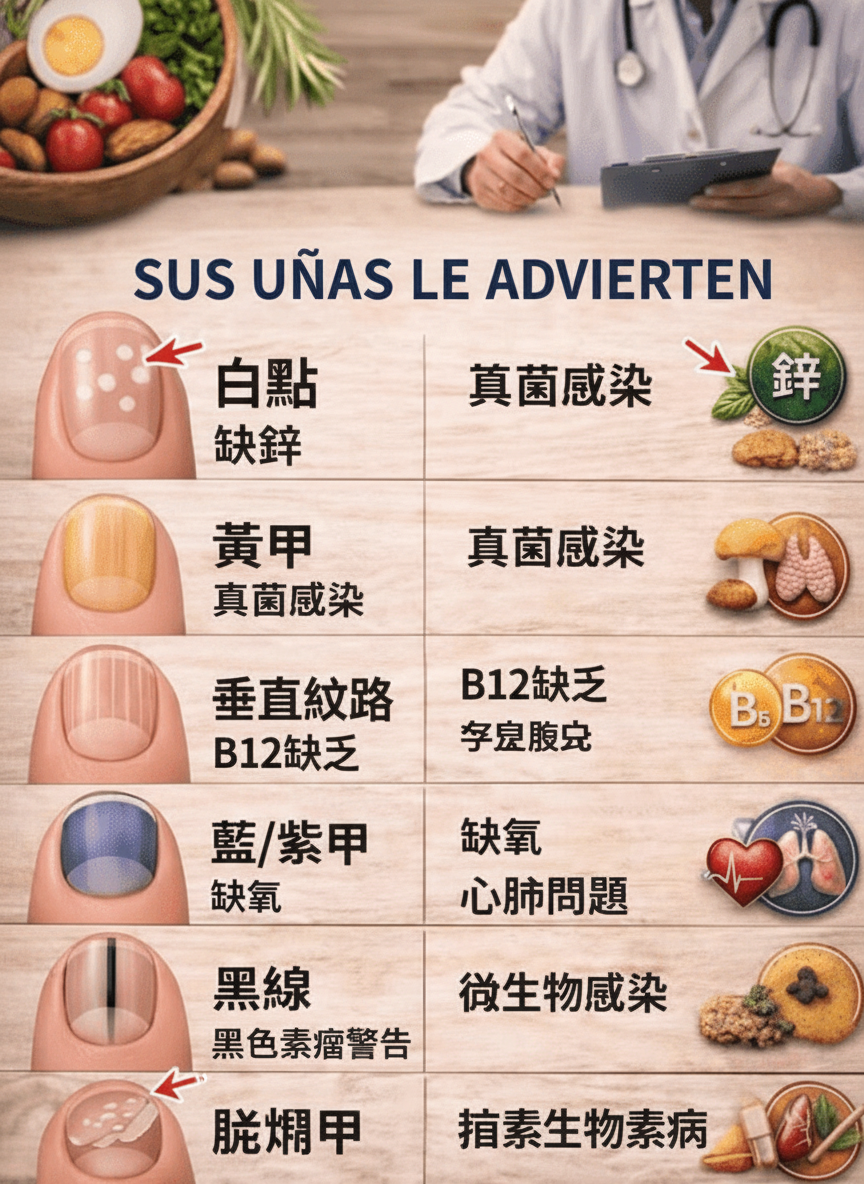
White Spots: A Warning of Zinc Deficiency
Ever spotted small white marks on your fingernails? While often harmless, these little spots can sometimes signal a zinc deficiency. Zinc is an essential trace element vital for immune function, skin health, and—crucially—nail growth. Insufficient zinc intake can manifest as these white specks on your nail surface.
What to Do?
- Increase your intake of zinc-rich foods such as oysters, nuts, and whole grains.
- If white spots persist, consider a zinc supplement, but always consult a healthcare professional first.
Yellow Nails: A Hidden Fungal Infection
Yellow nails are more than just a cosmetic concern; they can be a clear indicator of a fungal infection. This issue is particularly common in older adults and those in humid environments. If your nails turn yellow and also become thicker, it’s highly likely to be a sign of infection.
What to Do?
- Prioritize thorough cleaning and drying of your nails.
- If the condition is severe, seek medical attention promptly to prevent the infection from spreading.
Vertical Ridges: Possible B12 Deficiency or Pregnancy
Prominent vertical ridges on your nails could be a sign of Vitamin B12 deficiency. B12 is crucial for red blood cell formation, and a lack of it can lead to anemia, impacting overall nail health. Additionally, some nail changes, including ridges, can also occur during pregnancy.
What to Do?
- Incorporate more B12-rich foods into your diet, such as red meat, eggs, and dairy products.
- If you are planning a pregnancy, ensure your nutritional intake is adequate and discuss any concerns with your doctor.
Bluish-Purple Nails: An Alert for Oxygen Deficiency
When your nails take on a bluish or purplish hue, it’s a serious warning sign of insufficient oxygen. This can indicate underlying heart or lung problems, where the blood isn’t effectively transporting oxygen to all parts of your body.
What to Do?
- Be vigilant for symptoms like shortness of breath or chest tightness, which are potential signs of cardiopulmonary issues.
- Seek immediate medical attention for a thorough check-up.
Black Lines: An Early Sign of Melanoma
Dark streaks or black spots under your nails could be an early indicator of subungual melanoma, a life-threatening form of skin cancer. Early detection and treatment significantly improve outcomes.
What to Do?
- Regularly check your nails for any new, prominent dark lines or irregular color changes.
- If you have any concerns, seek professional medical diagnosis without delay.
Detaching Nails: Indicating Infection or Trauma
If your nails begin to lift or detach from the nail bed, it often points to a biological infection or health problems resulting from trauma. This isn’t just a cosmetic annoyance but a potential warning about your body’s immune response.
What to Do?
- Maintain excellent hand and nail hygiene.
- When nails detach or become infected, seek medical help to determine the cause and receive appropriate treatment.
Frequently Asked Questions (FAQ)
- Q1: I have white spots on my nails. Does this definitely mean I lack zinc?
- A1: While white spots can be a sign of zinc deficiency, they can also be caused by other factors, including minor trauma. If they persist, it’s best to discuss them with your doctor for necessary checks.
- Q2: Sometimes my nails turn yellow. Is this just a sign of aging?
- A2: Yellow nails can be related to age, but they are also commonly caused by fungal infections or other health issues. If the discoloration continues, it’s advisable to get a medical check-up.
- Q3: My nails are bluish-purple. Does this mean I have a heart problem?
- A3: Bluish-purple nails can indeed indicate heart or lung problems due to oxygen deprivation. It’s crucial to seek prompt medical attention for a cardiopulmonary function check.
Conclusion
Changes in your nails are often precursors to broader health issues. When you notice anything unusual, don’t take it lightly. Timely medical examinations can help you detect and address problems early. By maintaining good dietary habits and a healthy lifestyle, you can significantly reduce the risk of nail problems and protect your overall well-being. Remember, healthy nails are a sign of a healthy body; regularly check their condition so you can respond promptly when your body sends out an alarm.
Disclaimer: The information provided in this article is for general informational purposes only and does not constitute medical advice. If you have any concerns or health issues, please consult a professional medical doctor.