 By admin
 Imagine starting your day, rushing through breakfast, and once again, you’ve missed an opportunity to truly nourish your body. This seemingly small oversight can accumulate, impacting your well-being over time. But what if there was a simple daily habit, involving something as common as seeds, that could profoundly strengthen and sustain your health?
By the end of this article, you’ll uncover the often-overlooked secret of these six powerful seeds – a secret many, especially older adults, tend to miss – that could effortlessly transform your daily routine.
1. Pumpkin Seeds – A Powerhouse of Essential Minerals
These unassuming seeds are packed with zinc, a mineral vital for cellular function and overall health. Incorporating them into your daily diet is incredibly easy:
- Sprinkle them over your cereal or salads.
- Add a handful to your morning smoothies.
Quick Nutrient Snapshot:
- Zinc: 7 mg / 100g (compared to Beef: 4 mg / 100g)
- Magnesium: 400 mg / 100g (compared to Spinach: 79 mg / 100g)
2. Sunflower Seeds – Energy in Every Bite
Sunflower seeds are an excellent source of Vitamin E and antioxidants, which help protect your cells from oxidative stress. Here are simple ways to enjoy them:
- Mix them into plain yogurt.
- Grab them as a crunchy snack throughout the day.
Expert Tip: Opt for unsalted sunflower seeds to help maintain healthy blood pressure levels.
3. Chia Seeds – Tiny Powerhouses with Big Impact
Chia seeds are renowned for their fiber and omega-3 fatty acid content. They can significantly contribute to maintaining an active and healthy digestive system. You only need a couple of teaspoons daily.
Quick Tip: Add them to water or plant-based milk and let them sit for 10 minutes. You’ll get a nutritious, ready-to-drink gel!
4. Flax Seeds – Allies for Heart and Digestion
Rich in lignans and omega-3s, flax seeds are well-known for supporting both digestion and cardiovascular health. To maximize nutrient absorption, it’s best to grind the seeds before consumption.
Practical Advice:
- Sprinkle them over oatmeal or salads.
- Blend them into smoothies for an extra fiber boost.
5. Sesame Seeds – A Blend of Tradition and Nutrition
Sesame seeds provide calcium and antioxidants, making them excellent for maintaining strong bones and an active metabolism. Easy ways to incorporate them:
- Sprinkle on whole-wheat toast.
- Add to soups or stews as a flavorful finishing touch.
6. Hemp Seeds – Complete Plant-Based Protein
These remarkable seeds offer complete protein and all essential amino acids, making them a perfect and simple addition to your daily diet.
Consumption Ideas:
- Toss a handful into your salads.
- Combine with fruits in your breakfast bowls.
Tips for Integrating These Seeds into Your Daily Routine
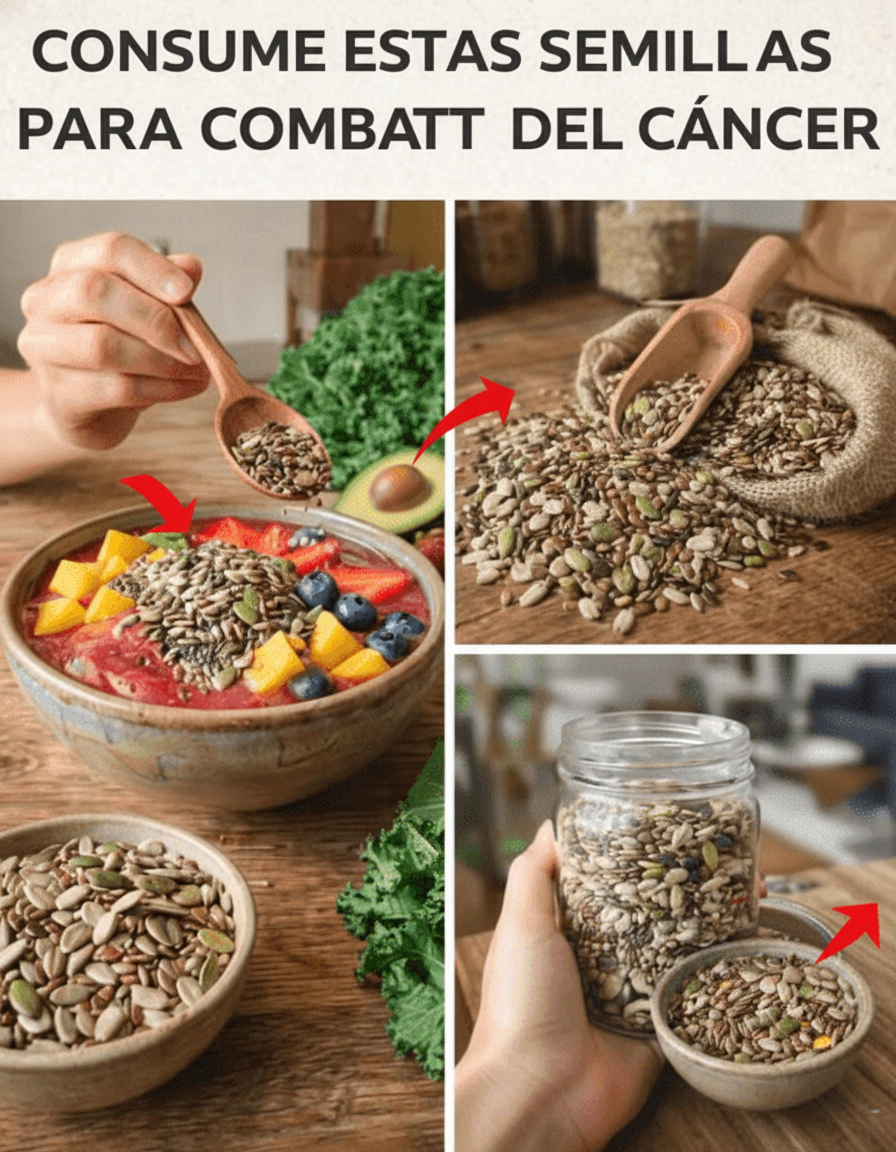
- Keep a jar with a pre-mixed assortment of seeds for easy addition to any meal.
- Start your morning by adding a spoonful to your cereal or yogurt.
- Get creative by experimenting with smoothies and fruit bowls.
- Store your seeds in a cool, dry place to preserve their freshness and nutritional value.
Remember: Consistency is key. Small daily habits can lead to significant long-term health benefits.
Frequently Asked Questions (FAQ)
- 1. Should I consume all seeds together, or is one variety enough?
- You can start with one or two varieties and gradually combine several to benefit from a wider range of nutrients.
- 2. Are there any contraindications for older adults?
- Generally, seeds are safe. However, individuals with digestive issues or those taking anticoagulants should consult their doctor before consuming large amounts.
- 3. Is it better to consume them raw or toasted?
- Raw seeds retain more nutrients, but lightly toasted seeds can offer enhanced flavor. Avoid adding excessive salt.
Conclusion
Incorporating these six powerful seeds into your daily diet is a simple, economical, and nutrient-rich habit that profoundly supports your overall well-being. The key lies in consistency and combining them with a balanced and varied diet.
Disclaimer: This information is for educational purposes only and does not substitute for professional medical advice. Always consult a healthcare professional before making significant changes to your diet.