 By admin
 Viral Natural Remedies: Real Help or Just False Confidence?
Across many homes, a familiar and often painful scene unfolds: rising blood pressure, concerning sugar levels, and daily fatigue. Yet, countless individuals cling to viral home remedies, hoping a warm cup can undo years of neglect. This offers a glimmer of hope, but it can also waste precious time.
The good news is that certain infusions can indeed complement healthier habits. However, a significant mistake, commonly made by almost everyone when preparing these drinks, often goes unnoticed. We’ll reveal this crucial error later in the article.
Viral Promises vs. Medical Reality
Social media is rife with claims that a drink made from avocado leaf, turmeric, eucalyptus, and rosemary can prevent serious issues like cancer, high glucose, or elevated blood pressure. The reality, however, is far more complex than a catchy headline.
No homemade drink, nor a single natural ingredient, can replace professional medical attention, diagnostic tests, or prescribed treatments for chronic diseases. The World Health Organization (WHO) clearly states that many non-communicable diseases, such as high blood pressure and elevated glucose, are linked to factors like diet, physical inactivity, tobacco, alcohol, and excess weight. The WHO also emphasizes that cancer prevention relies on broad, proven strategies, not isolated recipes.
Herein lies a critical point: just because something is “natural” does not mean it’s miraculous, nor that it’s safe for everyone.
Can Herbal Infusions Be Part of a Healthy Routine?
Yes, in some cases. A warm herbal drink can help some people increase their fluid intake, replace sugary sodas, or foster a more mindful routine throughout the day. These are definite benefits. But there’s a vast difference between supporting healthy habits and attributing extraordinary curative effects to them.
The National Center for Complementary and Integrative Health (NCCIH) in the United States notes that some supplements or herbs may show modest effects in specific contexts, but the evidence is often limited, variable, and does not replace standard medical care. The NCCIH also warns that herbal products can cause adverse effects or interact negatively with medications.
Simply put, an infusion can be a supportive element within a well-ordered lifestyle, but it is not a magical solution.
What We Know About the Drink’s Ingredients
Turmeric
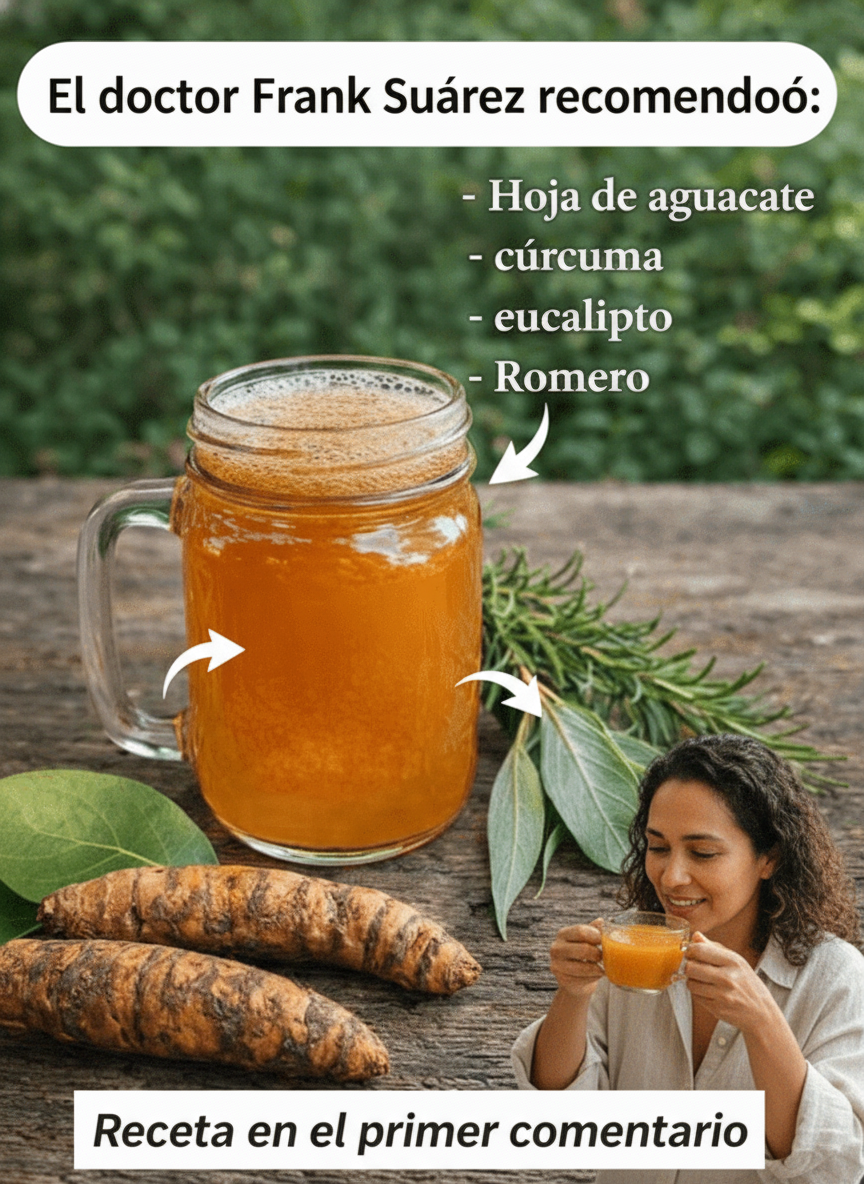
Turmeric is renowned for its antioxidant compounds and traditional use in cooking. While some research explores its link to inflammation and general well-being, this doesn’t mean it can single-handedly control chronic diseases or work identically for everyone. The NCCIH considers turmeric generally safe in reasonable amounts, though high doses or prolonged use can cause digestive discomfort in some individuals.
Rosemary
Rosemary is widely used in cooking and infusions for its aromatic qualities. It can make a drink more pleasant and, if used as a substitute, help reduce the consumption of sugary beverages. However, there is no serious scientific basis to present it as a complete solution for high blood pressure, diabetes, or cancer.
Eucalyptus
Eucalyptus is primarily associated with vapors, aromas, or topical products. When used in homemade beverages, extreme caution is advised. Not all natural substances are harmless, and certain concentrated preparations may not be suitable for everyone, especially the elderly or those already taking multiple medications.
Avocado Leaf
Avocado leaf is used in some traditional cuisines and remedies. However, occasional culinary use is very different from recommending it as having guaranteed benefits for serious illnesses. This is where many online publications cross the line from responsible advice into emotional deception.
But that’s not all. The true value of such a drink lies not in extreme promises, but in the context in which it is consumed.
The Common Mistake: Why People Over-Rely on Viral Remedies
Many people fall for these remedies not due to a lack of intelligence, but out of sheer exhaustion. When someone has endured years of pain, fatigue, fluctuating glucose, or high blood pressure, any message promising “this can save you” resonates deeply. And that’s where the problems arise. Common mistakes include:
- Stopping or reducing prescribed medications without consulting their doctor.
- Taking several herbs together without understanding potential interactions with their existing pills.
- Assuming that if something feels “natural,” it can be consumed daily without limit.
- Neglecting fundamental healthy habits like adequate sleep and physical activity.
Ultimately, while certain natural infusions can play a minor supportive role in a healthy lifestyle, they must never replace professional medical diagnosis, treatment, and ongoing care for serious health conditions. Always prioritize evidence-based medicine and consult your healthcare provider before making any significant changes to your health regimen.