 By admin
 The Hidden Danger in Fresh Palm Sap: What You Need to Know
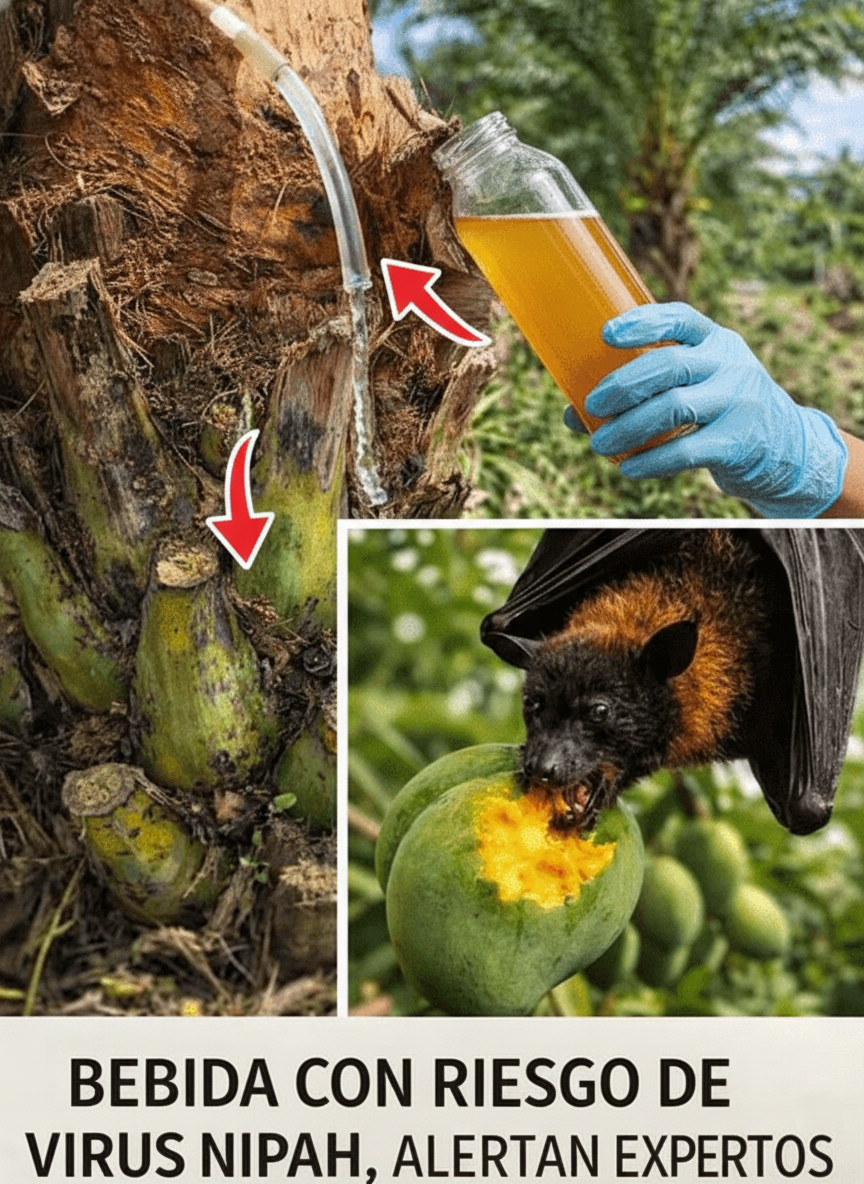
Imagine this: you’re traveling through Southeast Asia, and you’re offered a sweet, refreshing drink tapped directly from a palm tree trunk. It’s fresh, natural, and seems completely harmless. However, what many tourists and even locals don’t realize is that consuming this raw sap can expose you to a deadly virus that can survive for up to 7 days in the liquid. This is a very real risk, and understanding it can protect you from a severe infection. The good news is there are simple ways to enjoy palm sap without putting yourself in danger; keep reading to discover how to stay safe.
What is Palm Sap and Why is it Popular?
Palm sap is a sweet liquid extracted from the trunks of date palms and other wild palm varieties. Its refreshing taste makes it a popular beverage in many tropical countries. Traditionally, the trunk is tapped, and the liquid is collected in containers, then often sold directly to consumers.
- Perceived Benefit: Natural, fresh, and a quick source of energy.
- Real Risk: Contamination by animals, especially fruit bats, which can carry dangerous viruses like Nipah.
The Bat Connection: Why They Pose a Threat
Fruit bats are naturally attracted to sweet palm sap and ripe fruit. If a bat carrying the Nipah virus comes into contact with the sap, its saliva or droppings can contaminate the liquid.
Important Facts:
- The Nipah virus can survive for up to 7 days in unrefrigerated palm sap.
- Cooking the sap completely inactivates the virus.
- Consuming raw sap significantly increases the risk of infection.
Knowing this isn’t meant to scare you, but to empower you to make informed decisions. Experts recommend completely avoiding raw sap in areas with recorded Nipah outbreaks.
Identifying the Risk: Warning Signs
A few simple observations can help you identify potential risks:
| Sign | Associated Risk |
|---|---|
| Containers exposed to open air | Higher likelihood of animal contact |
| Beverage sold by roadside vendors without sanitary control | Unknown origin and preparation standards |
| Presence of bitten fruits or proximity to bats | Possible viral contamination |
Practical Tip: If you are unsure about the origin or preparation, do not consume it raw. Your safety should always be the priority.
Enjoying Palm Sap Safely
You don’t need to give up this traditional drink to protect your health. Here are some tips:
- Boil the sap before drinking: 5-10 minutes is sufficient to eliminate viruses.
- Purchase only from reliable sources: Choose vendors who guarantee the beverage has been heat-treated.
- Avoid drinks from street vendors: Especially if you cannot verify their preparation methods.
- Maintain hygiene: When handling fruits or sap at home, avoid contact with wild animals.
The key is conscious prevention, not abandoning traditions.
Quick Comparison: Raw vs. Boiled Sap
| Characteristic | Raw Sap | Boiled Sap |
|---|---|---|
| Virus Risk | High | Very Low |
| Flavor | Sweet, fresh | Slightly cooked, but still pleasant |
| Tradition | Yes | Yes, tradition is preserved |
| Safety | Unsafe in outbreak areas | Safe for consumption |
Final Advice and Immediate Actions
- If you travel to areas with a history of Nipah outbreaks, avoid raw palm sap. Always opt for boiled or processed versions.
- Educate family and friends about the risks to protect vulnerable individuals, especially the elderly.
- Practice good personal hygiene after handling unknown fruits or beverages.
This is not an exaggeration; small precautions can save lives.
FAQ: Frequently Asked Questions
- Is the Nipah virus transmitted only through sap?
No, it can also be transmitted through direct contact with bats or their excrements, and by consuming contaminated fruits. - Can I pasteurize palm sap at home?
Yes, boiling it for 5-10 minutes is sufficient to inactivate the virus. - What symptoms should I watch for if I consumed raw sap?
Fever, headache, extreme fatigue, and respiratory problems. If you experience any symptoms, seek immediate medical attention.
Disclaimer: The information provided here is for preventive and educational purposes only. It does not replace professional medical evaluation. Always consult with a specialist before consuming food or beverages of unknown origin.