 By admin
 Skin Fungus? 9 Home Care Tips and When to Seek Medical Attention
Itching that keeps you awake, red patches that burn with sweat, or a small, round skin spot that grows larger – these are discomforts many try to hide out of embarrassment. Often, people first try “what the neighbor recommends.” But when days pass and the irritation persists, the problem can worsen due to scratching, humidity, or using unsuitable products.
The good news is that simple home care can help keep your skin cleaner, drier, and better protected. By the end of this article, I’ll reveal the most common mistake that causes the itching to return again and again.
First Things First: Not Everything That Itches Is a “Fungus”
Before diving into home remedies, an uncomfortable truth must be stated: not every red or scaly lesion means the same thing. Sometimes it might look like a superficial fungal infection, but other times it could be irritation, contact dermatitis, severe dryness, or another skin condition.
Therefore, this article is intended as a supportive guide for daily care, not a substitute for a healthcare professional’s assessment. This distinction is crucial, especially for older adults, individuals with diabetes, or those with very sensitive skin.
Common Signs That Often Accompany These Discomforts
When skin is irritated by moisture, sweat, or friction, very similar symptoms often appear. Among the most common are:
- Persistent itching, especially in the evening or at night
- Redness with more defined borders
- Flaking or whitish skin
- Burning sensation when sweating
- Discomfort in the groin, armpits, under the bust, feet, or neck
But that’s not all. If the affected area grows, hurts, oozes, smells bad, or spreads very quickly, it’s no longer advisable to continue improvising at home. In these cases, the most prudent course of action is to seek medical attention.
9 Useful Home Remedies and Care Tips to Support Your Skin
Here’s the important part. More than seeking “miracles,” what helps most is usually a combination of hygiene, moisture control, and gentle products that won’t further irritate the area.
1. Keep the Area Well Dry
Moisture is one of the biggest factors contributing to these discomforts persisting. After bathing, pat dry with a clean towel, without rubbing. Pay special attention to:
- Groin
- Armpits
- Under the bust
- Between the toes
- Abdominal folds
Practical Tip: If you sweat a lot, change your underwear, socks, or shirts throughout the day.
2. Wear Loose, Breathable Clothing
Tight clothing traps heat and sweat, which can significantly worsen irritation. It’s highly recommended to wear cotton garments or other breathable fabrics, especially in warm weather. Many people find their condition improves simply by changing this daily habit. It might not seem like much, but it makes a huge difference.
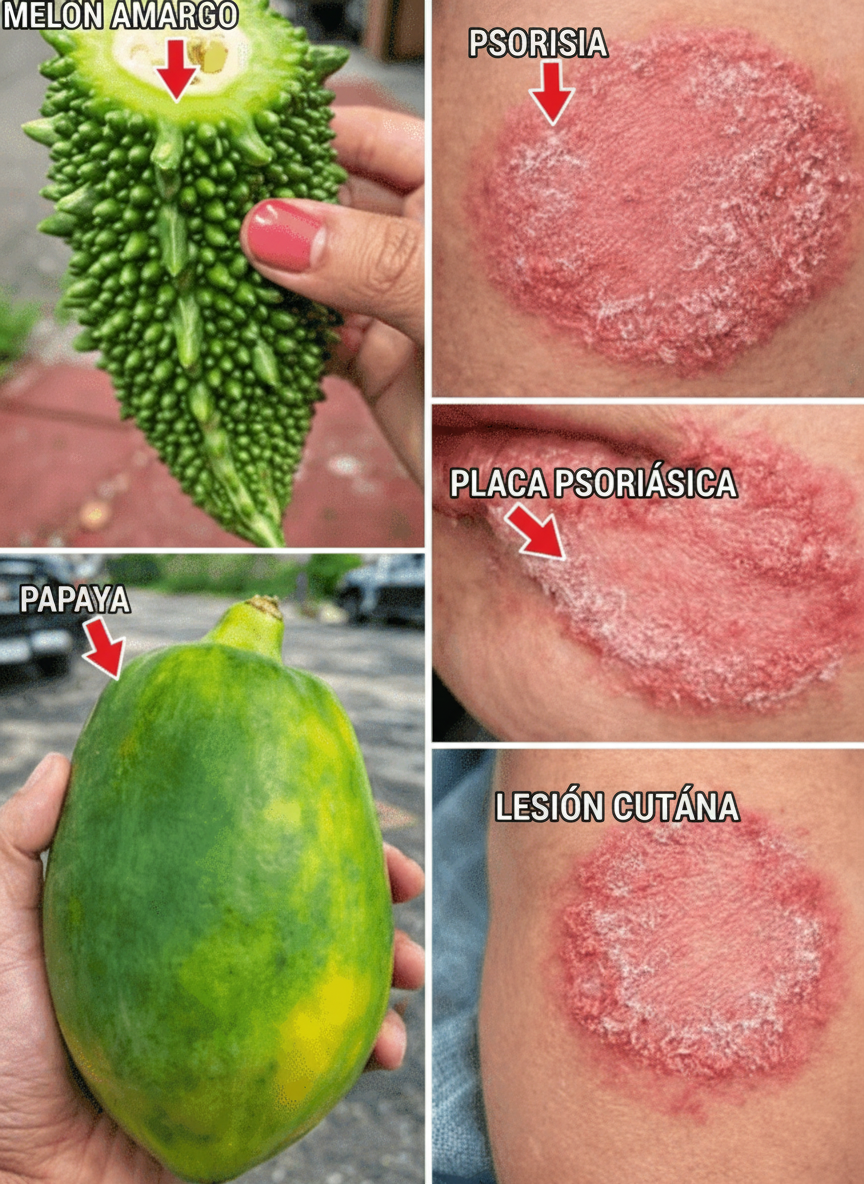
3. Wash with Mild, Unscented Soap
Heavily perfumed or harsh soaps can further irritate already sensitive skin. Use lukewarm water and a gentle cleanser. Avoid:
- Rubbing with a rough sponge
- Using exfoliants
- Applying alcohol directly
- Mixing several “homemade” products at once
Quick Table: What Helps and What Worsens Itching
| Habit | Can Help | Can Worsen |
|---|---|---|
| Dry well after bathing | Yes | Not doing so |
| Wear cotton clothing | Yes | Tight, synthetic clothing |
| Change damp socks | Yes | Staying sweaty for hours |
| Mild soap | Yes | Perfumed or very strong soaps |
| Do not scratch | Yes | Scratching until skin is damaged |
4. Cold Compresses to Reduce Discomfort
If the area burns or itches intensely, a cold compress can provide temporary relief. Use a clean cloth dampened with cool water for 5 to 10 minutes. A word of caution: cold does not mean direct ice. Ice can further irritate and damage the skin.
5. Change Towels, Underwear, and Sheets Frequently
This point seems basic, but it’s often overlooked. If your skin is sweating or irritated, reusing damp towels or tight clothing can perpetuate the problem. Aim for:
- A clean, dry towel
- Fresh underwear daily
- Clean socks
- Regularly changed clean sheets
6. Resist the Urge to Scratch
Scratching might offer momentary relief, but it almost always makes the problem worse. It can damage the skin’s protective barrier, introduce bacteria, and lead to secondary infections or scarring. Try gently patting the area or applying a cold compress instead.
7. Avoid Harsh or Unnecessary Products
Beyond scented soaps, be cautious with other products you apply to the affected skin. This includes strong deodorants, harsh cleansers, or even some lotions that might contain irritants. When in doubt, less is often more. If you must use a product, opt for hypoallergenic and fragrance-free options.
8. Maintain Good Overall Skin Hygiene
While focusing on the irritated area, don’t neglect general skin cleanliness. Regular, gentle bathing helps remove sweat, dirt, and dead skin cells that can contribute to irritation. Remember to follow tip #1 and dry thoroughly afterward.
9. Consistency is Key and Complete the Care
Here is one of the secrets almost no one mentions, and the most common mistake that causes many relapses: people stop care as soon as symptoms improve. For true relief and to prevent recurrence, it’s vital to be consistent with your home care routine, even after the visible signs of irritation have faded. Continue keeping the area dry, wearing breathable clothing, and using mild products for a sustained period to allow your skin to fully recover and rebuild its defenses.