 By admin
 Sip Your Way to a Lighter Night: 5 Simple Bedtime Drinks for a Happier Liver
Do you often find yourself winding down after dinner, perhaps with a snack and a sweet drink, only to feel sluggish and bloated the next morning? Many attribute this to aging, but often, it’s our evening habits that burden our bodies. The good news? Some simple bedtime beverages might offer a gentler night. However, the true secret lies not just in what you drink, but in a crucial, often overlooked habit.
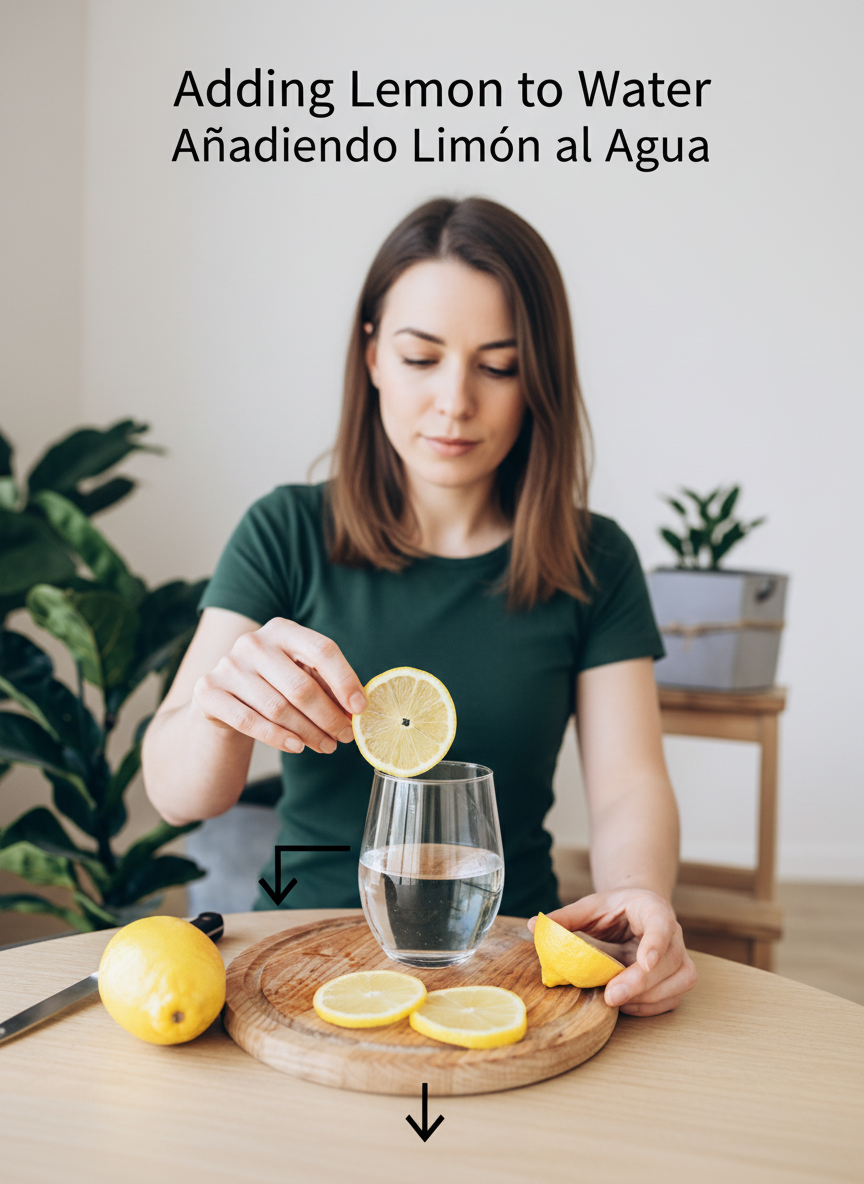
Warm Lemon Water: A Simple, Underestimated Evening Choice
When “healthy drinks” come to mind, we often imagine complex concoctions. Yet, a simple glass of warm water with lemon can be an excellent choice.
- Warm water aids hydration and supports a smooth digestive system overnight.
- A splash of lemon adds a refreshing aroma, vitamin C, and natural plant compounds.
Studies suggest that adequate hydration and a light diet contribute to normal metabolic function. Especially after a rich dinner, warm lemon water can leave your mouth and digestive tract feeling cleaner.
Let’s be clear: Warm lemon water is not a “detox miracle.” Your liver and kidneys are the primary organs for processing metabolic waste. However, compared to sugary beverages or alcohol, this is a significantly gentler option.
Simple Preparation:
- Take a glass of warm water.
- Add a few drops of fresh lemon juice.
- Drink about an hour before bedtime.
If you have a sensitive stomach, reduce the amount of lemon.
Dandelion Tea: The Gentle Power of Traditional Herbs
Across many traditional cultures, dandelion has been cherished as a herbal drink. Especially in parts of Europe and America, dandelion tea is a common evening beverage.
Some research indicates that dandelion contains antioxidant plant compounds, which may help the body combat oxidative stress. Beyond this, it’s also traditionally believed to:
- Promote normal digestion.
- Offer a mild diuretic effect.
- Support the body’s natural metabolism.
However, the medical community generally agrees that more research is needed, so it’s best viewed as a part of a balanced diet, not a medicinal cure.
Here’s an interesting point: Many people feel “puffy” after a heavy dinner. Some find that switching to a light herbal tea in the evening leaves them feeling better the next day. Often, the benefit isn’t solely from the tea itself, but from the reduction of sugary drinks and late-night snacks they didn’t consume.
Boldo Leaf Tea: A Latin American Herbal Tradition
In Latin America, the Boldo plant is well-known, and its leaves are frequently brewed into a tea. Traditionally, Boldo tea is thought to:
- Support bile secretion.
- Aid digestion after fatty meals.
- Lessen feelings of abdominal discomfort.
If you’ve ever had herbal tea after a holiday feast, you’ll understand the comforting sensation a warm cup can bring to your stomach.
A word of caution: Even natural herbal drinks shouldn’t be consumed in excessive amounts long-term. Experts suggest:
- Occasional consumption is fine.
- Daily, large quantities are not recommended.
- Pregnant women or individuals with specific medical conditions should consult a doctor.
Simply put, herbal tea is a dietary supplement, not a miraculous solution to all health issues.
Peppermint Tea: A Classic for Digestive Relaxation
If there’s one herbal tea frequently mentioned by gastroenterologists, it’s likely peppermint tea. Peppermint contains natural plant compounds that may help relax digestive tract muscles. For some, this can reduce post-meal bloating or stomach tightness.
Many also enjoy peppermint tea in the evening for its calming aroma, which aids relaxation.
However, a crucial note: Individuals with gastroesophageal reflux disease (GERD) should avoid excessive peppermint tea before bed. In some cases, it can worsen acid reflux.
The best approach:
- Enjoy a small cup one to two hours after dinner.
- Moderation is often more effective than excess.
Oat Water: A Gentle, Filling Traditional Beverage
Oats are a staple in many healthy eating guides for a simple reason: they contain a soluble fiber called beta-glucan. Research indicates this fiber can:
- Support cardiovascular health.
- Help maintain stable blood sugar levels.
- Promote gut health.
Some families prepare a simple oat water by soaking oats. It’s mild, smooth, and provides some nutrition.
Important:
- Individuals sensitive to gluten should choose certified gluten-free oats.
- Those with celiac disease should consult a doctor first.
Overall, oats are a highly nutritious ingredient.
What’s Best to Drink Before Bed? A Quick Comparison
Many ask: “Which evening drink is the best?” There’s no single answer. The key is to choose light, low-sugar, and gentle options.
| Drink Type | Key Features | Ideal For |
|---|---|---|
| Warm Lemon Water | Refreshing, hydrating | After a heavier dinner |
| Dandelion Tea | Herbal, antioxidant support | Those who enjoy herbal teas |
| Boldo Tea | Traditional digestive aid | Occasional large meals |
| Peppermint Tea | Relaxes digestive tract | Prone to bloating |
| Oat Water | Provides fiber, gentle | Needing nutritional support |
But wait. This isn’t the most important part.
The REAL Keys to Liver Health: Lifestyle Habits
Many spend time searching for “liver-supporting drinks” while overlooking fundamental lifestyle habits. Medical research consistently highlights that major factors impacting liver health include:
- Excessive alcohol consumption.
- High-sugar diets.
- Refined carbohydrates.
- Chronic lack of exercise.
- Insufficient sleep.
In other words, if you drink a healthy beverage at night but also indulge in fried chicken and sweet desserts, the benefits will be minimal.
Better Bedtime Habits: Three Simple Steps
To help your body operate more smoothly overnight, try these three foundational methods:
- Eat Dinner Earlier: Aim to finish your evening meal at least two to three hours before bedtime.
- Choose Light Drinks: Avoid sugary beverages and alcohol.
- Reduce Late-Night Snacking: Give your digestive system time to rest.
These habits may seem simple, but their impact on your health is often far greater than any “miracle drink.”
Summary
Incorporating light evening drinks like warm lemon water, herbal teas, or oat water can make digestion more comfortable and aid hydration. However, true health is rooted in your overall lifestyle:
- Balanced diet.
- Regular exercise.
- Adequate sleep.
- Reduced alcohol and high-sugar intake.
A good drink can be a helpful addition, but it should never be your sole reliance.
Frequently Asked Questions (FAQ)
- Will drinking lemon water before bed harm my stomach?
- Most people can consume it in moderation without issues. If you have a sensitive stomach or acid reflux, reduce the lemon quantity or opt for plain warm water.
- Can I drink herbal tea every day?
- Generally, moderate consumption is fine. However, some herbs are not recommended for long-term, large-quantity use. If you have chronic conditions, consult your doctor first.
- Can evening drinks truly protect my liver?
- Research shows that a balanced diet and healthy lifestyle are the most crucial factors. Evening drinks can be part of a healthy routine but should not be considered a specific therapeutic method for liver protection.
Medical Disclaimer
This article provides general health information and lifestyle suggestions only and is not a substitute for professional medical advice. For any health concerns, please consult a qualified healthcare professional.
”
}
“`