 By admin
 Pumpkin Seeds for Healthy Aging: The Small Habit You Shouldn’t Overlook
Many of us silently grapple with the common signs of aging: a dip in energy, an expanding waistline, or a doctor’s gentle reminder about “less than ideal” health markers. These changes often begin subtly, rooted in daily habits like late-night snacks, reliance on processed foods, and forgetting the profound impact of simple, natural ingredients. Over time, these habits can slowly erode our metabolism, affect our weight, and diminish overall vitality.
But what if a humble ingredient, often discarded, held the key to supporting healthier habits and better nutrition as we age? That’s precisely the story of pumpkin seeds.
Why Pumpkin Seeds Deserve a Closer Look After 40
While pumpkin is a beloved staple for culinary delights, its true nutritional gold—the seeds—is frequently overlooked. These small powerhouses, also known as pepitas, are incredibly nutrient-dense. Research consistently points to seeds and nuts as concentrated sources of essential minerals, fiber, and beneficial fats. For adults, especially those over 40, these nutrients are vital for maintaining everyday wellness and combating age-related decline.
Here’s what makes pumpkin seeds a standout:
- Magnesium: Crucial for muscle and nerve function, and maintaining healthy blood pressure.
- Zinc: A key player in immune system health and wound healing.
- Plant Protein: Essential for preserving muscle mass, which naturally declines with age.
- Fiber: Supports healthy digestion and promotes gut health.
- Healthy Fats: Provide sustained energy and contribute to cardiovascular well-being.
Beyond these individual benefits, studies have linked diets rich in seeds and nuts to improved heart health markers and better metabolic balance. Pumpkin seeds offer one of the easiest and most versatile ways to integrate these powerful nutrients into your daily routine.
The Concentrated Nutrition Within Pumpkin Seeds
While vegetables are undoubtedly nutritious, seeds often pack a more concentrated nutritional punch in a smaller serving. Let’s delve deeper into some of the key components highlighted by nutrition experts:
- Magnesium: This mineral is involved in over 300 biochemical reactions, from muscle contraction to nerve transmission and regulating blood pressure. As we age, magnesium intake often decreases, making pumpkin seeds an excellent plant-based source to bridge this gap.
- Zinc: Indispensable for a robust immune system and efficient wound healing. Maintaining adequate zinc levels is particularly beneficial for older adults. Pumpkin seeds naturally contain a significant amount of this vital mineral.
- Healthy Unsaturated Fats: Unlike the unhealthy fats found in many processed snacks, pumpkin seeds offer natural unsaturated fats. These contribute to stable energy levels and support cardiovascular health when consumed as part of a balanced diet.
- Plant Protein: Protein becomes increasingly important with age to combat muscle loss (sarcopenia). Pumpkin seeds provide a convenient plant-based protein source that can easily complement your meals and snacks.
The true magic happens when these nutrients work in synergy, supporting multiple bodily systems simultaneously, including digestion, metabolism, and energy regulation.
Pumpkin Seeds and Metabolic Health
Many people observe their metabolism slowing down with age, often leading to weight gain even with consistent eating habits. This is where nutrient-dense foods become invaluable. Pumpkin seeds support metabolic health in several ways:
- Fiber Content: The fiber in pumpkin seeds slows digestion, leading to more stable blood sugar levels and sustained energy after meals.
- Satiety Boost: Their combination of healthy fats and protein helps you feel fuller for longer, reducing the temptation to reach for less nutritious, processed snacks.
- Mineral Support: The rich mineral profile, particularly magnesium and zinc, plays a role in numerous enzymatic reactions critical for normal metabolic function.
While no single food is a magic bullet, consistent small habits accumulate into powerful long-term health benefits. Incorporating a handful of pumpkin seeds daily is a simple, sustainable step towards better metabolic health.
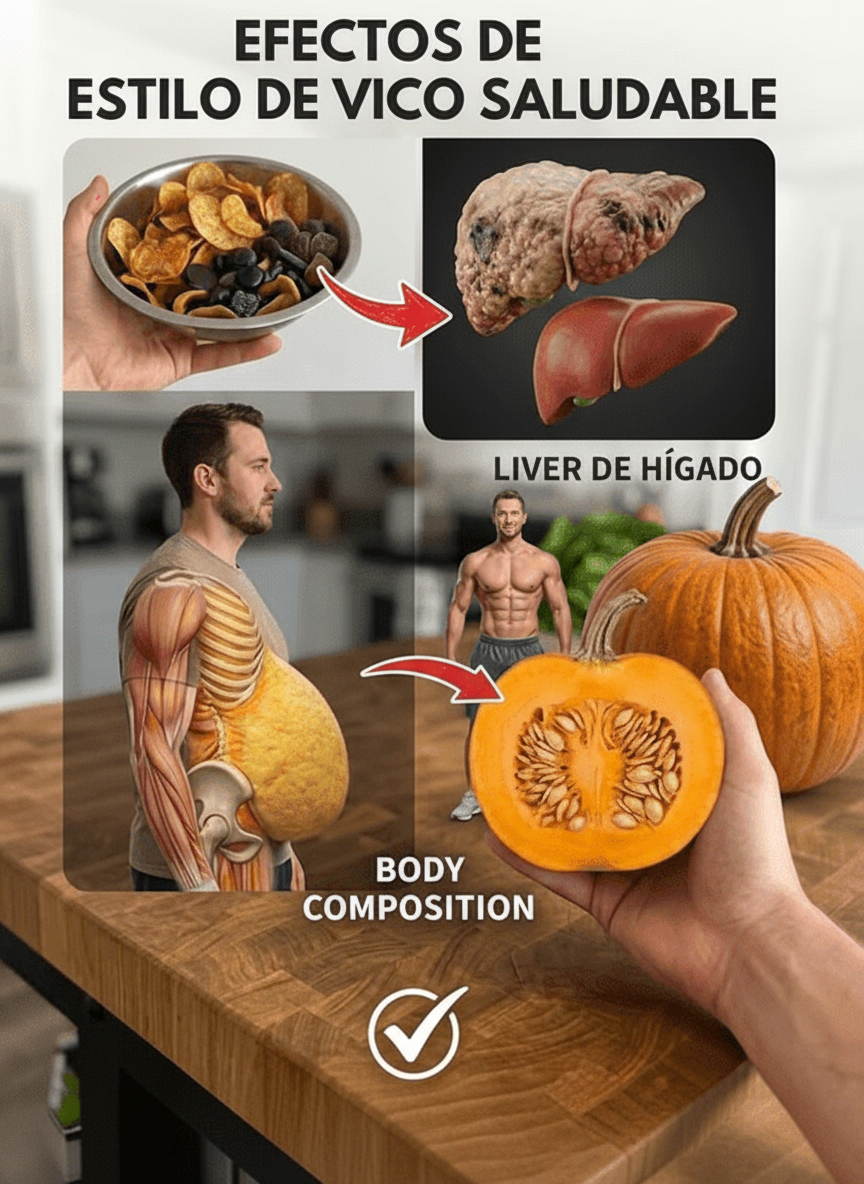
Small Choices, Big Impact: Lifestyle Comparison
Consider the cumulative effect of daily habits:
- Frequent Processed Snacks: High calorie intake, minimal nutrition.
- Sugary Beverages: Energy spikes followed by crashes.
- Late-Night Eating: Can disrupt metabolic processes.
- Balanced Snacks (like Pumpkin Seeds): Provide essential nutrient support and enhanced satiety.
Individually, the difference might seem minor. But over months and years, these choices compound, shaping your long-term health trajectory. Nutrition experts often refer to this as the “compounding effect” of daily decisions.
Simple Ways to Enjoy Pumpkin Seeds Daily
The great news is that pumpkin seeds are incredibly versatile and easy to incorporate into your diet. Sprinkle them over salads, yogurt, or oatmeal; blend them into smoothies; or simply enjoy them as a satisfying snack on their own. Making pumpkin seeds a regular part of your diet is a small habit that can yield significant returns for your healthy aging journey.