 By admin
 Is Your Hair Thinning? The Rosemary Oil Secret Many Overlook for Scalp Health
That moment of realization: catching sight of a receding hairline, a widening part, or even a noticeably thinning scalp in a reflection. It’s a common and often jarring experience. Many try countless shampoos and hair products, only to be met with disappointment. But what if the solution isn’t just about your hair, but your scalp?
Increasing research points to natural plant oils and specific scalp care habits as potential allies for a healthier scalp environment. Among these, rosemary oil has garnered significant attention recently. But what’s the truly effective way to use it? And what simple, crucial technique are many getting wrong daily?
Why the Buzz Around Rosemary Oil for Hair Care?
In recent years, rosemary oil has become a hot topic across beauty forums, social media, and health websites. The reason is straightforward:
- Studies indicate that rosemary contains various bioactive plant compounds, including antioxidants and aromatic compounds, which may help maintain a healthy scalp environment.
The key here isn’t just the hair itself, but the underlying scalp. When the scalp environment deteriorates, common issues include:
- Imbalanced scalp oils
- Poor blood circulation
- Impact from stress and lifestyle habits
- Insufficient nutrient supply to hair follicles
These factors can lead to hair becoming fine, fragile, or prone to shedding. However, it’s crucial to understand: rosemary oil isn’t a magic cure. Think of it as a “scalp care tool.” Its potential benefits are most likely to emerge when integrated with good lifestyle habits – an aspect many tend to overlook.
What is Rosemary Oil and Why is it Used for Scalp Care?
Rosemary is a popular Mediterranean herb, with a long history in both culinary and herbal practices. Rosemary oil is typically extracted from its leaves through distillation, preserving its aromatic compounds. Research suggests rosemary may possess the following properties:
- Antioxidant effects
- Supports scalp circulation
- Helps maintain a healthy skin environment
- Offers a fresh, herbaceous aroma
Dermatology journals have noted that certain essential oils, when used consistently over time, may contribute to a healthier scalp. However, a vital point must be stressed: hair growth cycles typically span several months. Therefore, any hair care approach demands patience. Claims of “instant results” are often just marketing hype, a fact professional physicians frequently emphasize.
DIY: How to Make Rosemary Hair Oil at Home
Many don’t realize that rosemary hair oil can be easily made at home. The process is incredibly simple:
Materials Needed:
- A small bunch of fresh rosemary
- Approximately 200ml of olive oil or jojoba oil (carrier oil)
- One clean glass bottle
Steps:
- First, thoroughly wash and completely dry the rosemary.
- Gently bruise the leaves.
- Place the bruised leaves into the clean glass bottle.
- Pour in the carrier oil until the leaves are fully submerged.
- Seal the bottle and let it infuse in a cool, dark place for 2 to 3 weeks.
- Finally, strain out the leaves, and your oil is ready to use.
Quick Tip: If using dried rosemary, the oil typically has a longer shelf life. Remember to store it away from direct sunlight.
The Correct Scalp Massage Technique Many Get Wrong
This is arguably the most critical part. Many simply apply oil to their hair and expect miracles. But the true focus should be on scalp massage.
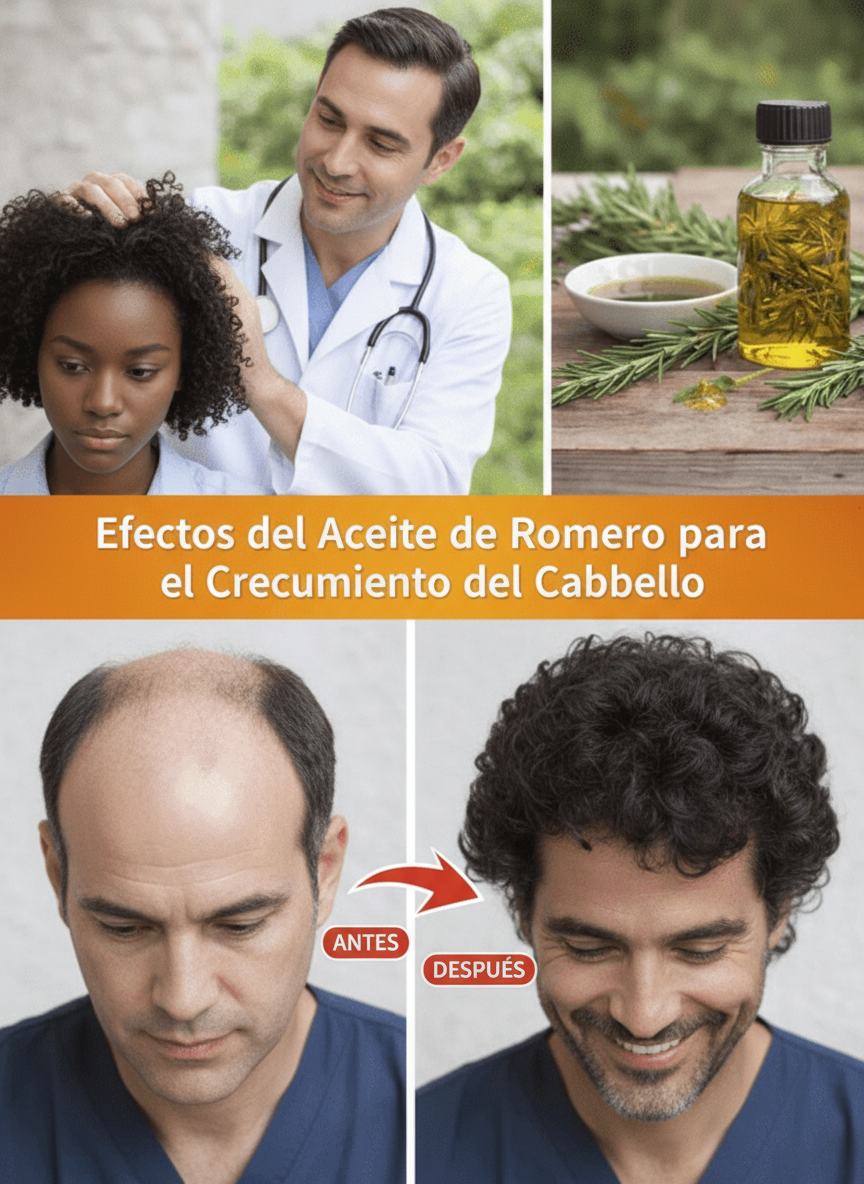
Recommended Method:
- Take about one teaspoon of rosemary oil.
- Using your fingertips, gently massage the oil into your scalp. Avoid using your fingernails to scratch the scalp.
- Massage for approximately 5 to 10 minutes.
- After massaging, you can wait for 30 minutes before washing your hair. For drier scalps, it can also be used before bed and left overnight.
The reason for this is simple: massage helps relax the scalp and promotes even distribution of oils. Research suggests that scalp massage itself can positively impact scalp health. In other words, it’s not just about the oil; the massage habit is equally crucial.
Lifestyle Habits That Can Weaken Hair
Many focus solely on hair care products while neglecting lifestyle. The truth is, hair health is deeply intertwined with your daily habits. Common influencing factors include:
- Chronic stress
- Lack of sleep
- Excessive chemical treatments (dyeing, perming)
- Nutritional imbalances
- Overuse of styling products
Consider how these habits might affect your scalp:
- Long-term late nights: Can lead to decreased scalp metabolism.
- High-pressure lifestyle: May cause hormonal fluctuations affecting hair.
- Unbalanced diet: Results in insufficient nutrient supply to follicles.
- Frequent perming/dyeing: Increases stimulation and potential damage to hair follicles.
Therefore, relying solely on one hair product is often insufficient. Scalp health is, in essence, a holistic approach to life management.
3 Daily Habits for a Healthier Scalp
If you’re serious about improving your scalp environment, start with these fundamental habits:
- Maintain Regular Sleep: Sleep is a vital time for your body’s repair and regeneration.
- Eat a Balanced Diet: Incorporate nutrient-rich foods such as nuts, legumes, dark leafy greens, and fish, which provide essential vitamins and minerals.
- Avoid Excessive Hair Pulling: Tight ponytails or prolonged tied-up hairstyles can increase scalp stress and tension.
Many focus on shampoos and conditioners but overlook these basic habits. Yet, these small, consistent actions often hold more significance.
Conclusion
Rosemary oil has gained attention in hair care due to its natural plant compounds and its role in scalp health. However, the true secret lies in comprehensive scalp care, which encompasses:
- Good lifestyle habits
- Gentle scalp massage
- A balanced diet
- Effective stress management
When these factors are addressed collectively, the scalp environment naturally becomes healthier. Rosemary oil can serve as an excellent component of your daily hair care routine, but remember: don’t expect overnight miracles. Consistency and patience are the ultimate keys.
Frequently Asked Questions (FAQ)
- Can rosemary oil be used daily?
- Generally, 2 to 4 times per week is recommended. If your scalp is sensitive, start with less frequent use and observe your reaction.
- How long until I see changes?
- Hair growth cycles typically take several months, so most hair care methods require long-term observation and patience.
- Is rosemary oil suitable for everyone?
- Most people can use it, but if you have a sensitive scalp or known allergies, it’s advisable to perform a patch test on a small skin area first.
Medical Disclaimer
This article provides general health information and scalp care suggestions only, and does not substitute for professional medical advice. If you experience persistent hair loss or scalp discomfort, it is recommended to consult a dermatologist or other medical professional.