 By admin
 Food as Medicine? Separating Fact from Myth for True Health
Many adults eventually reach a point of reflection on their eating habits: sweet pastries for breakfast, soda with lunch, barely any vegetables, and a quick, “filling” dinner. The inevitable consequences often follow: persistent fatigue, a feeling of heaviness, digestive issues like constipation, or a general sense that the body simply isn’t performing as it once did. In this search for solutions, appealing images frequently circulate online, promising to explain everything by visually linking foods to specific organs.
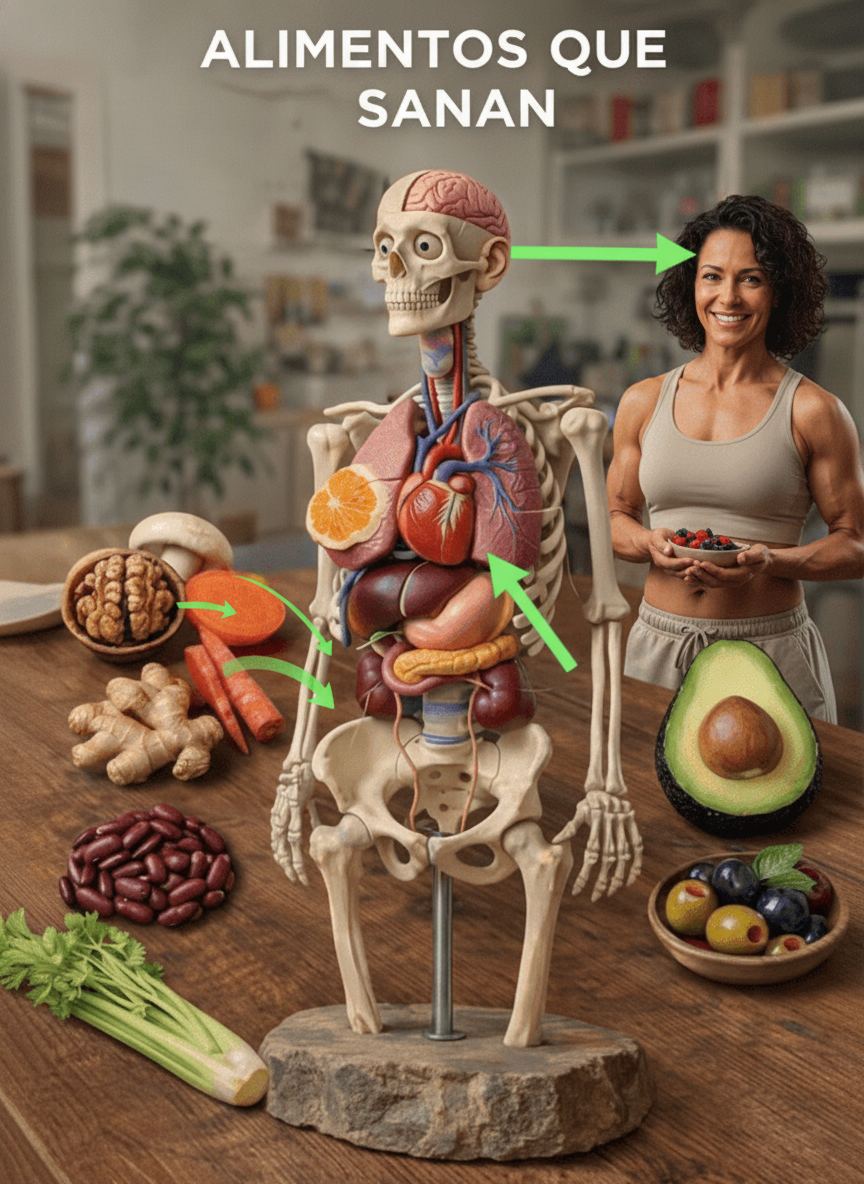
This concept is undeniably captivating, yet the reality is far more practical and significant: certain foods don’t magically transform into medicine merely because they resemble an organ. However, when consumed consistently as part of a balanced diet, these foods absolutely can provide comprehensive and protective nutritional support. Keep reading, because a vital aspect of this discussion, often overlooked, could fundamentally change how you approach your grocery shopping and overall health.
Why This Visual Association Gained Traction
The powerful phrase “food as medicine” resonates deeply within us, tapping into a fundamental human desire for straightforward solutions to complex health challenges. Furthermore, these viral images leverage an easily memorable visual trick: a walnut’s resemblance to a brain, a tomato’s likeness to a heart, or red beans mimicking kidneys. But here lies the critical distinction: a food’s visual similarity to a body part does not equate to a direct, specific, or guaranteed beneficial effect on that organ. While this visual mnemonic can be a helpful memory aid, it lacks scientific backing as proof of efficacy.
Modern nutritional science, grounded in robust evidence, points in a different direction. What truly safeguards our health isn’t a singular “miracle food,” but rather a holistic dietary pattern rich in whole foods—specifically fruits, vegetables, legumes, healthy fats—while minimizing the intake of ultra-processed products.
The Real Benefits of Eating Better, Especially After 50
As we advance in years, our bodies typically become less forgiving of daily dietary excesses. It’s no longer feasible to offset weeks of poor eating with just “one healthy salad on Sunday.” This is precisely why it’s crucial to look beyond exaggerated internet claims and focus on genuinely beneficial, evidence-based information. A diet abundant in fruits, vegetables, legumes, nuts, and healthy fats can profoundly support cardiovascular health, optimize digestion, aid in appetite control, and enhance overall well-being. Reputable institutions such as Harvard and Mayo Clinic consistently emphasize prioritizing these food groups within a well-balanced dietary framework.
And here’s the interesting part: many of the very foods highlighted in those popular visual guides *are* indeed excellent nutritional choices. However, their value stems from their rich nutrient profiles, not from their physical shapes.
Food by Food: What Each Truly Provides
Walnuts and the Brain
Walnuts frequently capture attention due to their brain-like appearance. Yet, their true significance lies not in their shape, but in their substantial contribution of unsaturated fats. They are a recommended component of healthy eating patterns and can effectively promote satiety, especially when chosen as a substitute for ultra-processed snacks.
Carrots and Eyes
While carrots don’t have a direct, magical pathway “straight to the eyes,” they do supply valuable plant compounds that are beneficial within a diverse diet. Optimal visual health is a result of overall nutrition, not dependent on a single vegetable. Nevertheless, making it a habit to consume more intensely colored vegetables is undoubtedly a positive step.
Mushrooms and Ears
In this instance, the association is almost purely visual. Mushrooms can certainly be a healthy addition to your diet owing to their unique nutritional profile and remarkable versatility in dishes like soups, stews, or stir-fries. However, there is no credible scientific basis to suggest they specifically benefit the ears simply because of their resemblance.
Grapes and Lungs
Grapes are a delicious fruit and, like other fruits, can be an integral part of a diet that promotes general health. However, it’s important to resist the notion that they possess a special connection to the lungs solely due to their clustered appearance. Genuine protection for the respiratory system is far more reliant on avoiding smoking, engaging in daily physical activity, and maintaining a consistently balanced diet.
Citrus Fruits and Breasts
Citrus fruits such as oranges, tangerines, and grapefruits are wonderfully nutritious and refreshing. That said, the idea that their segmented shape makes them specifically “good for the bust” lacks any serious scientific foundation. The authentic value of citrus lies in its ability to help you incorporate more real fruit into your daily intake, thereby replacing less healthy sugary desserts or beverages.
Tomatoes and the Heart
The tomato is one of the most prominent symbols on the “food-as-organ” list. While a tomato isn’t *the* exclusive “heart food,” it integrates exceptionally well into a heart-protective diet, especially when used to replace industrial sauces, high-sodium snacks, or heavy side dishes. Dietary patterns that emphasize higher consumption of fruits and vegetables are consistently linked to a reduced risk of cardiovascular disease.
Celery and Bones
Celery effectively adds volume, crunch, and a refreshing element to meals. While its stalk-like appearance doesn’t confer direct bone-specific benefits, celery contributes valuable nutrients such as vitamin K and calcium, both of which are crucial for maintaining bone health. Additionally, its fiber content supports healthy digestion. Incorporating celery is a simple and healthy way to boost your daily vegetable intake.
”
}
“`