 By admin
 Chia Seeds: Milk vs. Water – Which Liquid is Right for Your Superfood Boost?
Are you enjoying your chia seeds the right way? Many are discovering the incredible nutritional value of chia seeds, packed with dietary fiber, Omega-3 fatty acids, and protein. But when it comes to incorporating them into your daily diet, how should you mix them? With milk or with water? Let’s explore the differences between these two popular choices.
1. Chia Seeds Prepared with Milk
Pairing chia seeds with milk offers a rich texture and enhanced nutritional value. Thanks to milk’s fat and protein content, it can help the chia seeds release more of their beneficial nutrients. For those seeking increased energy and prolonged satiety, milk-soaked chia seeds are an ideal choice. The calcium and vitamin D from milk also provide significant benefits for bone health.
Advantages of Chia Seeds with Milk:
- Increases satiety, keeping you fuller for longer.
- Provides higher calories, aiding in sustained energy levels.
- Rich in calcium and vitamin D, excellent for bone health.
Best Suited for:
- Individuals with high energy demands or athletes.
- Seniors needing calcium and vitamin D supplementation for bone health.
- Those aiming for weight gain or muscle mass development.
However, for individuals with lactose intolerance, this combination might not be suitable. They may opt for low-lactose or lactose-free milk alternatives, or plant-based milks like almond or oat milk.
2. Chia Seeds Prepared with Water
Mixing chia seeds with water results in a refreshing, low-calorie drink. This method is perfect for those looking to manage their weight or control calorie intake. Water-soaked chia seeds don’t add extra calories or fats, offering a simple, clean way to enjoy the superfood’s benefits.
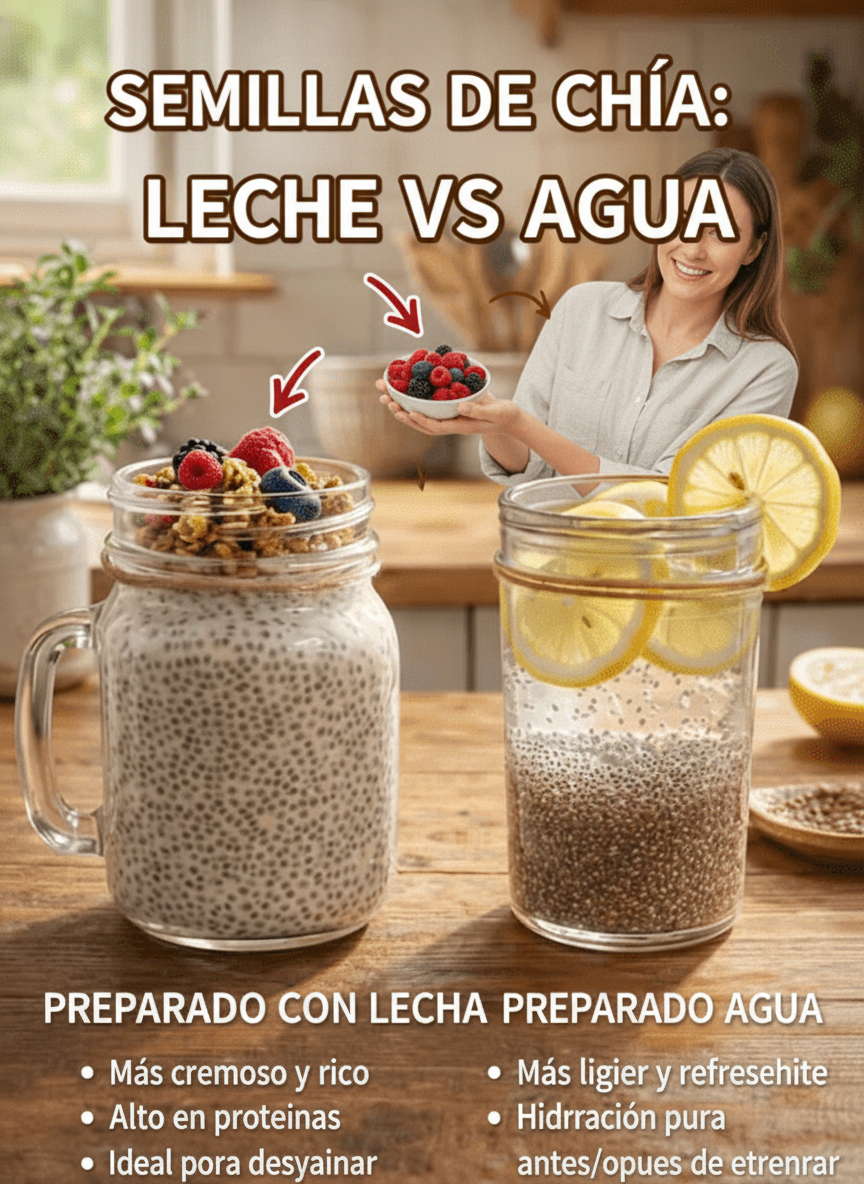
Advantages of Chia Seeds with Water:
- Low in calories, ideal for weight management.
- Provides extra hydration, helping to maintain body water balance.
- Suitable for those with lactose intolerance, avoiding digestive discomfort.
Best Suited for:
- Individuals aiming to control calorie intake.
- Those currently in a weight loss phase.
- People with lactose intolerance.
Milk vs. Water: Which Should You Choose?
To help you decide, here’s a quick comparison:
| Feature | Chia Seeds with Milk | Chia Seeds with Water |
|---|---|---|
| Calories | Higher (contains fat and protein) | Low (virtually zero calories) |
| Target Audience | Those needing more energy, muscle gain, or bone support | Those on a diet, managing calories, or needing hydration |
| Taste/Texture | Rich, creamy, satisfying | Light, refreshing, simple |
| Health Benefits | Rich in calcium, vitamin D, sustained energy | Provides more hydration, aids in weight management |
Actionable Advice: How to Choose Your Ideal Liquid
- Assess Your Needs: If you’re looking to gain weight, build muscle, or need extra energy for daily activities, milk might be a better choice. If weight loss or a low-calorie diet is your focus, water-soaked chia seeds are more appropriate.
- Experiment with Pairings: Everyone’s taste preferences differ. Don’t hesitate to try both options and find what works best for you.
- Enhance with Healthy Additions: Whether with milk or water, you can always boost flavor and nutrition by adding healthy ingredients like nuts, dried fruits, or a drizzle of honey.
FAQ: Frequently Asked Questions
- Can chia seeds with milk replace breakfast?
If you need a substantial energy boost, milk-soaked chia seeds can be an excellent breakfast option. However, if you’re aiming for weight loss, be mindful of your overall calorie intake. - Can chia seeds with water help with weight loss?
Yes, water-soaked chia seeds are low in calories and rich in fiber, which can help control appetite. However, it should always be combined with a healthy diet and regular exercise habits. - Can lactose-intolerant individuals consume chia seeds with milk?
Individuals with lactose intolerance can opt for low-lactose or lactose-free milk. Alternatively, plant-based milks such as almond milk, soy milk, or oat milk are excellent substitutes.
Disclaimer: This article is for informational purposes only. All health advice is based on general knowledge and common dietary habits. Please consult with a healthcare professional before making any significant dietary changes.