 By admin
 Battling Sarcopenia at 70? The Fruit to Add for Stronger Muscles
Feeling weak getting out of a chair, struggling with stairs, or noticing your legs aren’t as responsive can be common after 70, but it shouldn’t be ignored. Many older adults often dismiss these signs as “normal aging,” leading to reduced eating, less movement, and a decline in daily strength. The good news is that simple habits can support muscle care, and a popular fruit can be part of this strategy when combined with protein, exercise, and consistency. The key insight, often overlooked, is that many people make a critical mistake even when they believe they’re eating “healthy.”
What is Sarcopenia and Why is it a Concern After 70?
Sarcopenia is the progressive loss of muscle mass and strength linked to aging. It’s more than just appearing thinner; it severely hinders basic tasks like walking, carrying groceries, getting out of bed, or maintaining balance. The reality is stark: reduced movement leads to more strength loss, which in turn leads to even less movement. This creates a vicious cycle impacting independence, safety, and quality of life. Diet also plays a vital role; studies show that a high-quality diet rich in protein, fruits, and vegetables is associated with better muscle health in older adults.
Pomegranate: A Valuable Addition to a Complete Diet
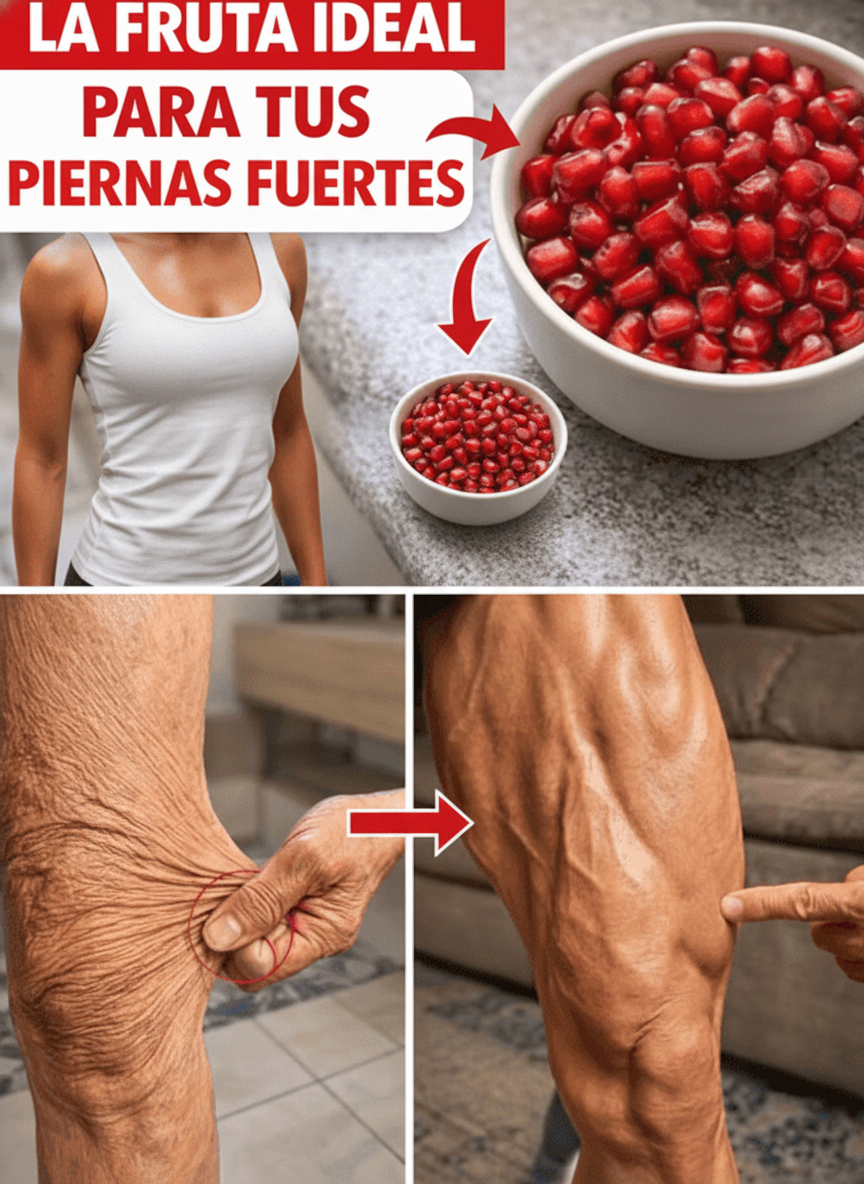
You’ve likely noticed the featured fruit: pomegranate. While not a daily staple for everyone, it can be a beneficial ally in a balanced diet. Pomegranate stands out for its natural antioxidant compounds, fiber, and other nutrients that fit well into a healthy eating pattern. When it comes to muscle health in seniors, it’s not just about protein; reducing ultra-processed foods and improving overall diet quality are equally important.
However, it’s crucial to be realistic. Pomegranate alone cannot rebuild muscle. No single fruit can. Believing that one isolated food will solve muscle weakness is an appealing but incomplete idea. Pomegranate can make a difference when integrated into a routine that includes sufficient protein, strength-building exercises, and regular physical activity. This comprehensive approach is what truly matters.
Why a Single Fruit Isn’t Enough for Muscle Care (The Common Mistake)
Many older individuals unknowingly make a common mistake: they might have coffee and bread for breakfast, eat minimal cheese or beans, rarely consume eggs, chicken, fish, or yogurt, and then expect to feel strong just by eating fruit. While fruit is valuable, muscles require a more complete stimulus.
Effective muscle mass care typically relies on three core pillars:
- Sufficient Protein: Essential for maintaining muscle tissue.
- Practical Examples: Eggs, Greek yogurt, milk, beans, lentils, chicken, fish.
- Strength Exercise: Stimulates muscles to stay active and grow.
- Practical Examples: Sit-to-stands, resistance bands, light weights, assisted squats.
- High-Quality Diet: Provides crucial energy and nutrients.
- Practical Examples: Fruits, vegetables, legumes, nuts, whole grains.
Current evidence strongly suggests that the best outcomes are achieved when adequate nutrition is combined with physical activity, particularly resistance or strength training.
Realistic Benefits of Pomegranate for Older Adults
To be clear, pomegranate isn’t a miracle cure. However, it can be an excellent dietary choice for several reasons:
- Natural Antioxidants: Foods rich in antioxidants are part of dietary patterns linked to healthier aging and improved diet quality. Research on fruits and vegetables points to a favorable relationship with general health, indirectly supporting overall vitality and the body’s ability to maintain muscle as part of a holistic approach.
”
}
“`