 By admin
Baking Soda for Your Face: Benefits, Risks, and Safe Use
Is your skin looking dull, oily, or prone to unexpected breakouts? Many of us, especially those over 45, face these common skin changes. What if the solution was a simple, everyday item found in your kitchen – baking soda?
This humble powder, typically used for baking, has gained popularity in DIY skincare. But is it truly a miracle remedy, or a potential hazard? Let’s uncover the full truth: its surprising benefits, the risks no one talks about, and how to use it without harming your skin.
The Allure and the Hidden Dangers
As our skin matures, it loses elasticity and experiences uneven oil production. Many seek natural, affordable solutions, making baking soda seem ideal. However, using it incorrectly can cause significant damage. Understanding both its appeal and its pitfalls is crucial for protecting your skin.
7 Potential Benefits of Baking Soda on Your Face
Advocates suggest baking soda offers several advantages:
- Gentle Exfoliation: Its fine particles can mechanically lift dead skin cells, revealing a smoother, brighter complexion.
- Oil Absorption: Baking soda can absorb excess sebum, helping to mattify oily areas like the T-zone for hours.
- Mild Antibacterial Action: Its slightly alkaline nature may create an environment less favorable for certain surface bacteria, potentially aiding in reducing minor breakouts.
- Deep Pore Cleansing: When mixed with water, it forms a paste that can help dislodge impurities from pores, making them appear cleaner and potentially smaller.
- Immediate Skin Softness: The gentle polishing action can leave skin feeling incredibly soft and refreshed, like a mini spa treatment.
- Temporary Brightening: By removing the dull layer of dead cells, it can enhance your skin’s natural radiance, making you look more rested.
- Incredibly Economical: It’s remarkably cheap and always available, offering a budget-friendly alternative to costly exfoliants.
The Risks No One Tells You About
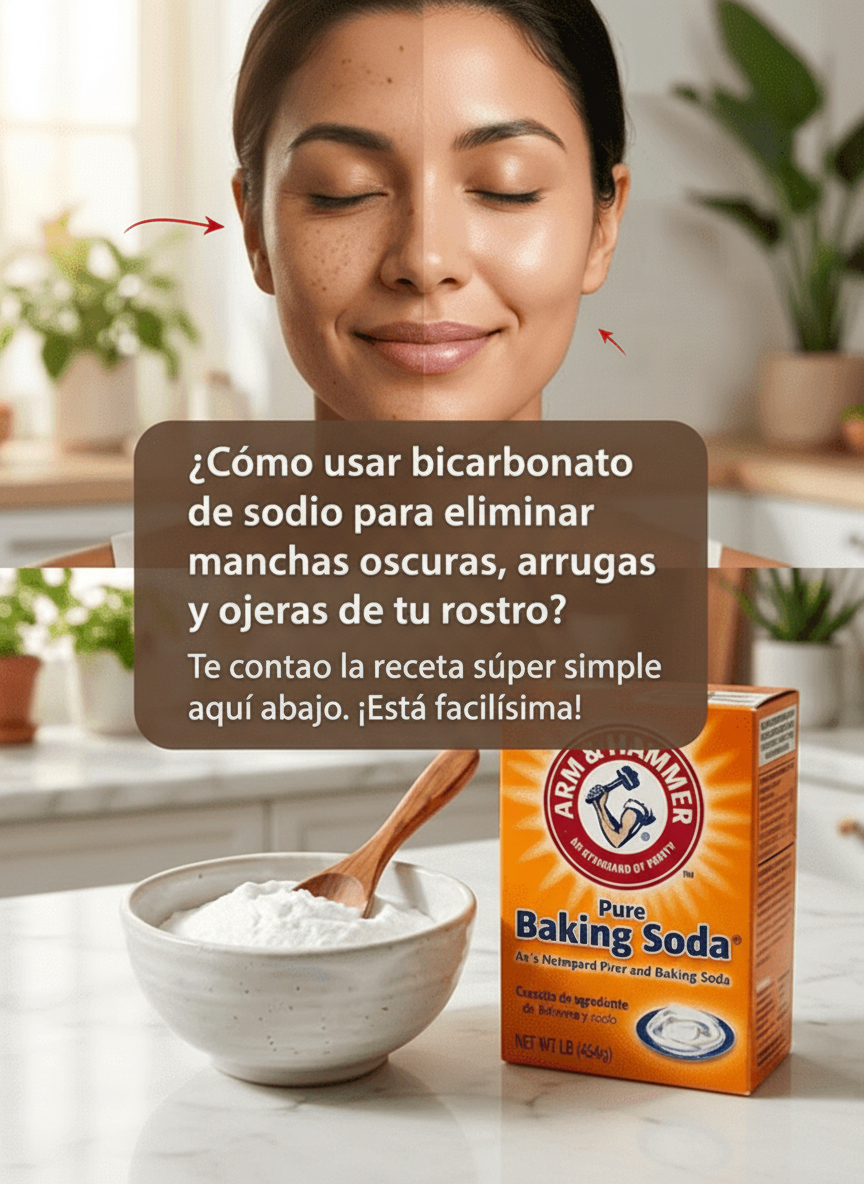
Despite these reported benefits, using baking soda on your face carries significant risks:
- Disrupts Skin’s Natural pH: Your skin has a natural acidic pH (4.5-5.5) to maintain its protective barrier. Baking soda is highly alkaline (pH 8-9), which can strip away this vital acid mantle.
- Causes Dryness and Irritation: This pH imbalance can lead to excessive dryness, flakiness, redness, and a tight, uncomfortable sensation.
- Damages Skin Barrier: A compromised skin barrier is less effective at retaining moisture and protecting against environmental damage, increasing sensitivity over time.
- Worsens Skin Conditions: For sensitive skin, rosacea, eczema, or active acne, baking soda can exacerbate these issues, causing increased inflammation and breakouts.
How to Use Baking Soda on Your Skin Safely (If You Choose To) – Extreme Caution Advised
If you still choose to experiment, proceed with the utmost care, never as a regular routine, and ideally, consult a dermatologist first.
- Patch Test: Always test a tiny amount on a discreet area (e.g., behind your ear) and wait 24-48 hours for any reaction.
- Dilute Heavily: Mix ½ teaspoon with plenty of water to form a very thin paste. Never apply it dry or in high concentration.
- Gentle Application: Apply with very light, circular motions for no more than 10-15 seconds. Avoid scrubbing.
- Rinse Thoroughly: Wash off immediately with lukewarm water. Do not let it sit on your skin.
- Moisturize Generously: Follow with a rich, hydrating moisturizer to help restore skin’s balance.
- Limit Frequency: Use no more than once a week, or ideally, less. Discontinue immediately if any irritation occurs.
- Avoid Sensitive Areas: Keep away from eyes, lips, and any broken or irritated skin.
The Verdict: Prioritize Your Skin’s Health
While baking soda offers tempting quick fixes, its highly alkaline nature poses significant risks to your skin’s delicate balance and long-term health. The temporary benefits often come at the cost of potential damage to your protective barrier.
For truly healthy, glowing skin, prioritize gentle, pH-balanced cleansers, targeted treatments, and professional dermatological advice. If you must use baking soda, do so rarely, with extreme dilution, and always listen to your skin. Your skin barrier is precious – protect it!