 By admin
 Are Your Legs Tingling, Cramping, or Feeling Heavy? Discover Natural Ways to Boost Your Circulation
That persistent tingling, frequent cramps, or a constant feeling of heaviness in your legs aren’t just minor annoyances. Many of us tend to dismiss these signals, but your body might be trying to tell you that something isn’t quite right with your circulation.
Poor circulation can significantly impact your overall well-being, leading to fatigue, swelling, and even weakened skin in your legs. Ignoring these symptoms could allow them to worsen over time. But don’t despair! There are natural habits and routines you can adopt to support your vascular health, keeping your legs feeling lighter and more active. By the end of this article, you’ll uncover a practical and surprising tip that could transform your daily routine.
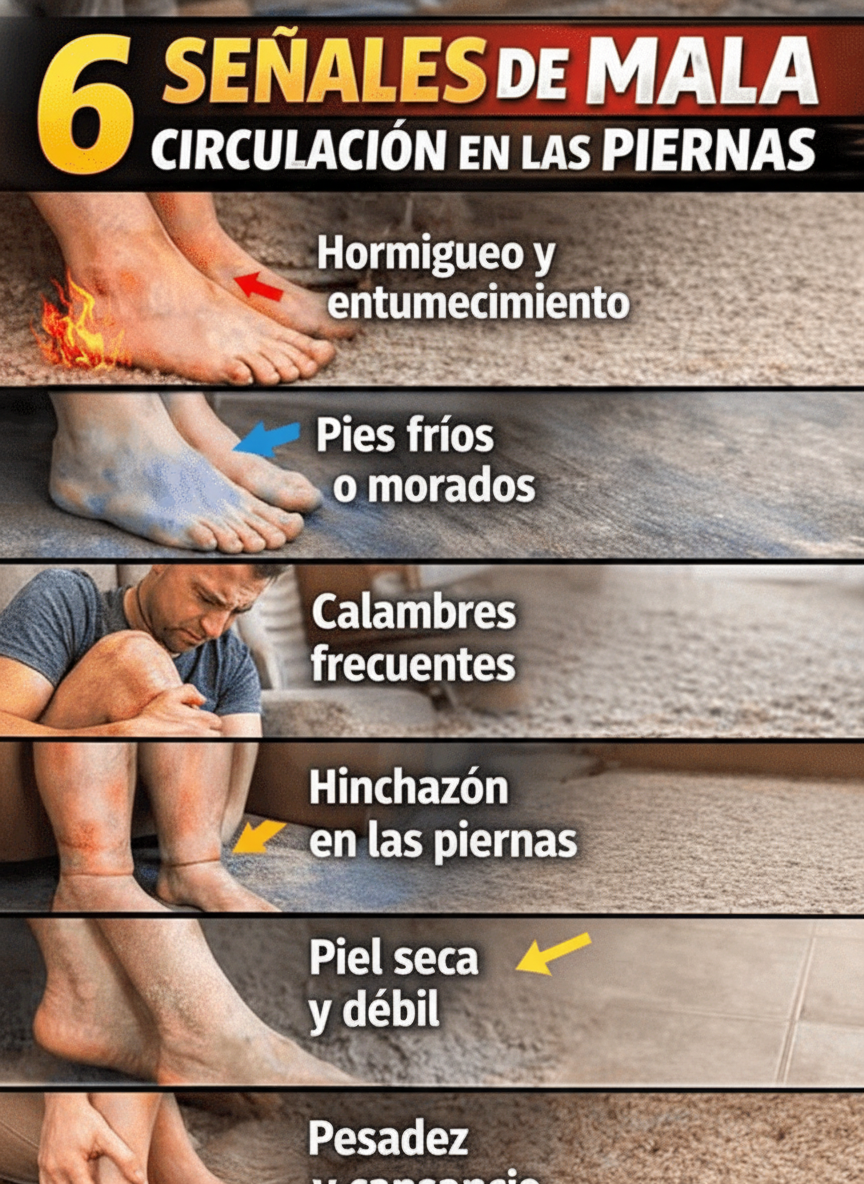
6 Signs That Indicate Poor Circulation in Your Legs
Recognizing the signs early is crucial for timely action. Pay close attention to these indicators:
- Tingling and Numbness: That “pins and needles” sensation in your feet and legs can signal inadequate blood flow. It often appears after prolonged sitting or standing.
- Cold or Discolored Feet: If your feet are consistently cold or take on a bluish tint, it’s a strong sign that blood isn’t efficiently reaching your extremities.
- Frequent Cramps: Muscle spasms in your calves or feet, especially at night, are common indicators of poor circulation and muscle fatigue.
- Leg Swelling (Edema): Fluid retention, leading to a heavy and tired sensation, can be a direct result of sluggish blood flow.
- Dry and Weak Skin: A lack of oxygen and vital nutrients in the blood can affect skin health, making it more fragile, rough, or prone to discoloration.
- Heaviness and Fatigue: Feeling like your legs “won’t respond” after an active day might be linked to poor circulation and insufficient blood pumping from your heart to your limbs.
How to Improve Circulation Naturally
Incorporating simple daily habits can make a significant difference. Here are some proven methods:
- Consistent Movement and Exercise: The key is regular physical activity:
- Walking 20-30 minutes daily helps activate leg muscles and aids venous return.
- Exercises like heel raises or calf stretches, even while seated, can boost circulation.
Science consistently supports that regular physical activity contributes to maintaining healthy arteries and veins.
- Circulation-Friendly Diet: Integrating certain foods can enhance blood flow:
- Berries: Rich in antioxidants, they help strengthen vascular walls.
- Garlic and Ginger: Known for supporting circulation and reducing inflammation.
- Flax and Chia Seeds: Provide healthy fatty acids that promote arterial flexibility.
Maintain a balanced intake, avoiding excessive salt which contributes to fluid retention.
- Leg Elevation: At the end of the day, elevating your legs for 15-20 minutes can reduce swelling and improve venous return. You can use a cushion or rest them against a wall.
- Adequate Hydration: Drinking enough water is crucial for maintaining blood fluidity and ensuring proper nutrient transport.
Tip: Herbal infusions like horsetail tea or ginger tea can also be beneficial as part of a balanced diet.
Additional Techniques and Practical Tips
Here are some complementary strategies to further strengthen your circulation:
- Gentle Massages: Help move blood and alleviate heaviness.
- Comfortable Clothing: Avoid overly tight garments that can restrict blood flow.
- Avoid Prolonged Sitting: Get up and move around every hour if your work involves sitting for long periods.
Comparing Habits vs. Circulation Effects
This table demonstrates how small daily changes can lead to sustainable results:
| Healthy Habit | Primary Benefit | Sign of Improvement |
|---|---|---|
| Daily Walking | Activates leg muscles | Fewer cramps |
| Leg Elevation | Facilitates venous return | Less swelling |
| Antioxidant-Rich Diet | Improves vascular health | Healthier skin |
| Hydration | Maintains blood fluidity | Increased leg energy |
Call to Action: Simple Steps You Can Take Today
Make these easy changes part of your routine:
- Walk for at least 20 minutes after your meals.
- Hydrate your feet and legs with circular massages.
- Include 1-2 antioxidant-rich foods daily, such as berries or garlic, in your meals.
- Elevate your legs for 15 minutes while you rest.
Stay mindful of your body’s signals and take proactive steps for better circulation!