 By admin
 Are Your Daily Meals Secretly Affecting Your Hormones?
Many women, especially as they age, attribute fatigue, mood swings, and uncomfortable cycles to “just getting older.” But what if everyday food choices play a more significant, yet often overlooked, role?
Consider the common scenario: a reliance on sugary snacks, low-protein dinners, and refined breads. These habits, seemingly harmless, can silently influence vital bodily functions like inflammation, blood sugar stability, and ultimately, hormonal balance. The good news? Small, informed dietary shifts can offer powerful support for your body.
Why Your Plate Matters for Reproductive Wellness
The female reproductive system, including the uterus, is a dynamic tissue constantly responding to a complex interplay of hormones, circulation, inflammation, and nutrient intake. When your body receives optimal nourishment, these systems tend to function more smoothly. Conversely, diets heavy in processed foods or lacking essential nutrients can lead to metabolic stress.
Nutrition science highlights three critical biological systems linked to women’s reproductive health:
- Hormone Signaling: Hormones are built and regulated using nutrients like healthy fats, specific minerals, and vitamins.
- Blood Flow & Oxygen Delivery: Adequate iron and protein are crucial for healthy red blood cells, ensuring oxygen reaches all tissues, including reproductive organs.
- Inflammation Balance: Certain plant compounds and antioxidants found in whole foods help modulate the body’s natural inflammatory responses.
Even seemingly minor daily habits, such as frequent refined sugar consumption or regular alcohol intake, can gradually impact these interconnected systems.
Nutrient-Rich Foods for Hormonal Harmony
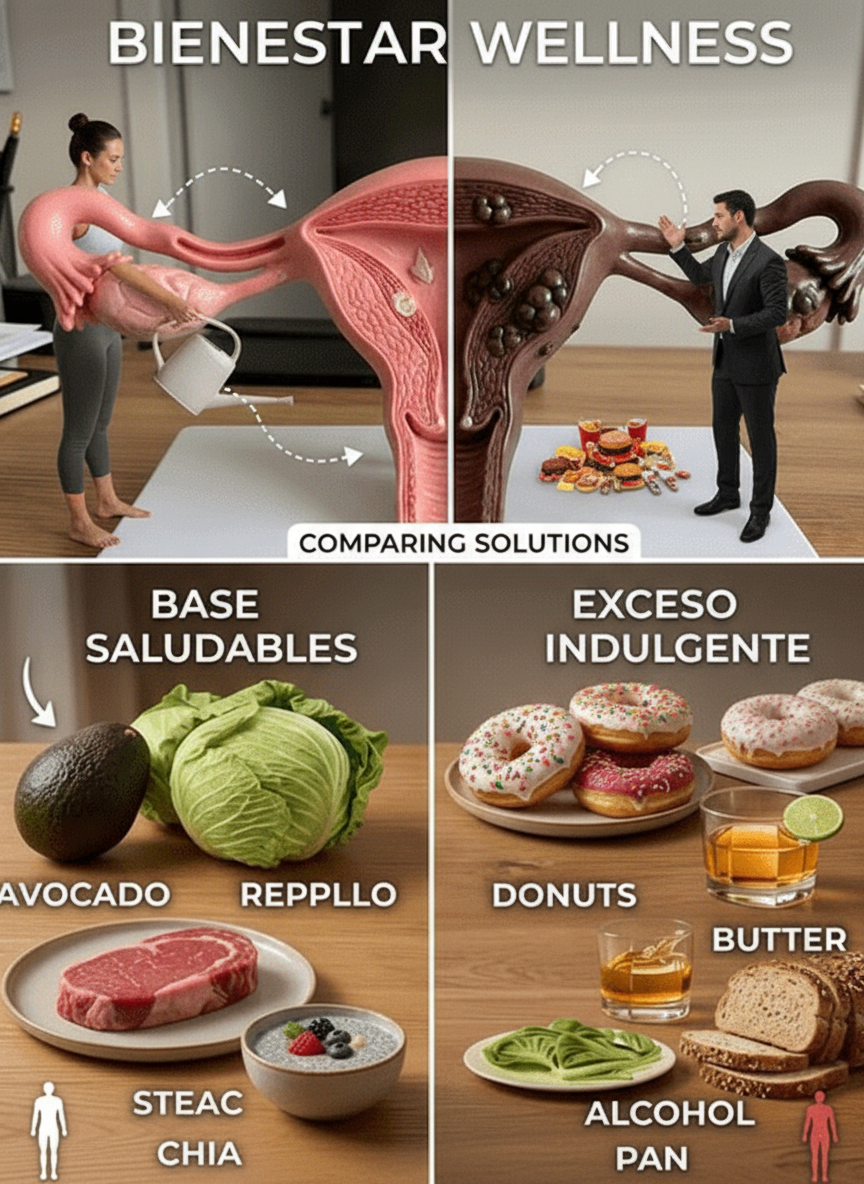
To support hormone balance, nutrition experts often recommend focusing on whole foods that deliver a powerful combination of protein, fiber, and healthy fats. These nutrients help stabilize energy, support metabolism, and contribute to robust hormone signaling. Here are some key players:
- Avocado: Rich in monounsaturated fats, avocados provide essential building blocks for hormone production and promote lasting satiety.
- Cruciferous Vegetables (e.g., Cabbage, Broccoli): Packed with fiber and unique plant compounds, these vegetables support healthy digestion and the crucial process of estrogen metabolism. A healthy gut is surprisingly central to hormone balance.
- Iron-Rich Lean Protein (e.g., Lean Steak, Lentils): Provides iron, zinc, and B vitamins vital for red blood cell production. Women experiencing heavy menstrual cycles may particularly benefit from increased dietary iron.
- Berries (e.g., Raspberries, Blueberries): Bursting with antioxidants and fiber, berries help stabilize blood sugar levels and protect cells from oxidative stress.
- Yogurt with Live Cultures: Offers protein and beneficial probiotics that nourish the gut microbiome. Emerging research highlights the gut’s significant influence on inflammation and hormone signaling.
Foods That May Disrupt Balance
While no single food is inherently “bad,” diets consistently high in certain processed or unbalanced items can contribute to metabolic strain and hormonal disruption. Consider limiting frequent consumption of:
- Ultra-Processed Sweets (e.g., Donuts, Candies): Cause rapid blood sugar spikes, often leading to energy crashes, fatigue, and increased cravings shortly after.
- Excessive Saturated Fats (especially with processed foods): While small amounts are fine, high intake, particularly when combined with processed ingredients, may contribute to systemic inflammation.
- Alcohol: Can negatively impact sleep quality, directly influence hormone regulation, and, with regular high intake, strain liver function—a key player in hormone metabolism.
- Refined, Low-Fiber Carbohydrates (e.g., White Bread, Pastries): Quickly digested, offering minimal nutrients and causing significant blood sugar fluctuations.
- Chronic Low-Protein Diets: Many unintentionally consume too little protein. Insufficient intake can lead to persistent fatigue, increased hunger, and slower bodily recovery.
Embrace Balance, Not Restriction
Instead of focusing on what to eliminate, shift your perspective to what you can add to support your body. Small, consistent choices can lead to profound improvements in your hormonal health and overall well-being. Prioritize whole, nutrient-dense foods, and observe the positive changes.