 By admin
 Are your eyes constantly feeling tired, blurry, or strained after a long day? You’re not alone. While no single food can magically fix all vision problems, what you eat plays a surprisingly powerful role in maintaining your long-term eye health.
Enter the Gac fruit (Momordica cochinchinensis), an exotic gem largely unknown in Europe but celebrated across Southeast Asia. Its striking, vibrant orange-red hue isn’t just for show; it’s a testament to its rich concentration of powerful carotenoids, including beta-carotene and lycopene.
It’s crucial to understand that Gac isn’t a ‘miracle cure’ for blurry vision. Instead, it’s best viewed as a highly nutritious food that can significantly enhance a diverse and balanced diet, contributing to overall well-being.
🍊 What Makes Gac Fruit So Fascinating for Your Eyes?
The fruit’s vivid coloration provides a clear hint about its remarkable nutritional makeup. Gac is naturally packed with beta-carotene, lycopene, and a spectrum of other beneficial plant compounds.
Beta-carotene stands out particularly because your body can convert it into Vitamin A whenever needed. This essential vitamin plays a vital role in maintaining normal vision and supports a multitude of other critical bodily functions.
However, simply consuming beta-carotene doesn’t imply that a single serving of Gac can instantly cure an eye condition or dramatically sharpen your vision overnight. That’s not how nutrition works.
Its true advantage lies in its nutritional contribution: Gac can supply valuable nutrients when thoughtfully integrated into a varied and balanced eating plan.
👁️ Everyday Nutrition for Optimal Eye Health
Just like every other part of your body, your eyes demand a consistent supply of essential nutrients to function at their best.
A well-rounded diet, rich in a colorful array of fruits and vegetables, lean proteins, healthy fats, and adequate hydration, is fundamental. This holistic approach supports your overall health, which in turn directly impacts the normal, healthy functioning of your eyes.
While Gac is a fantastic source, it’s certainly not the only one for these vital carotenoids. You can also readily obtain these beneficial compounds from a wide variety of other foods, such as:
- carrots;
- pumpkin;
- sweet potatoes;
- tomatoes;
- spinach;
- kale and other dark leafy greens;
- various other vibrantly colored fruits and vegetables.
The real secret isn’t about finding one single ‘superfruit’; it’s all about embracing dietary variety to ensure you get a full spectrum of nutrients.
😌 Can Gac Help When Your Eyes Feel Tired?
Eye fatigue is an incredibly common complaint, especially in our digital age, after countless hours spent staring at phones, computers, or television screens.
Many people experience symptoms like dryness, irritation, temporary focusing difficulties, or simply that pervasive feeling of tired, heavy eyes.
While a healthy diet certainly contributes to your overall well-being, addressing screen-induced eye fatigue also critically depends on your daily habits and routines.
Make sure to take regular breaks, blink frequently, ensure you have comfortable lighting, maintain an appropriate distance from your screen, stay well-hydrated, and prioritize getting enough quality sleep.
Gac can certainly complement such a routine by providing valuable nutrients, but it absolutely does not replace proper eye care practices.
👓 What About Blurry Vision?
Blurry vision can stem from a wide array of causes. While it might sometimes be temporary due to dry or fatigued eyes, other instances often necessitate a professional medical evaluation.
Therefore, any claims suggesting that a specific fruit can ‘eliminate blurry vision’ should always be approached with extreme caution and a healthy dose of skepticism.
Feel free to incorporate Gac and other nutrient-rich foods into your diet, but always remain vigilant about any changes you notice in your vision.
Persistent or sudden blurry vision, eye pain, the abrupt appearance of spots or ‘floaters,’ sudden flashes of light, or significant redness all warrant immediate specialized medical evaluation.
🌙 Gac and Night Vision
Vitamin A has a well-established and crucial role in maintaining normal vision, particularly in the visual processes that enable us to see effectively in low-light conditions.
Since beta-carotene can be converted into Vitamin A by the body, foods rich in this compound can certainly contribute to a healthy intake of this vital vitamin.
However, experiencing difficulties with night vision doesn’t automatically signify a beta-carotene deficiency in your body.
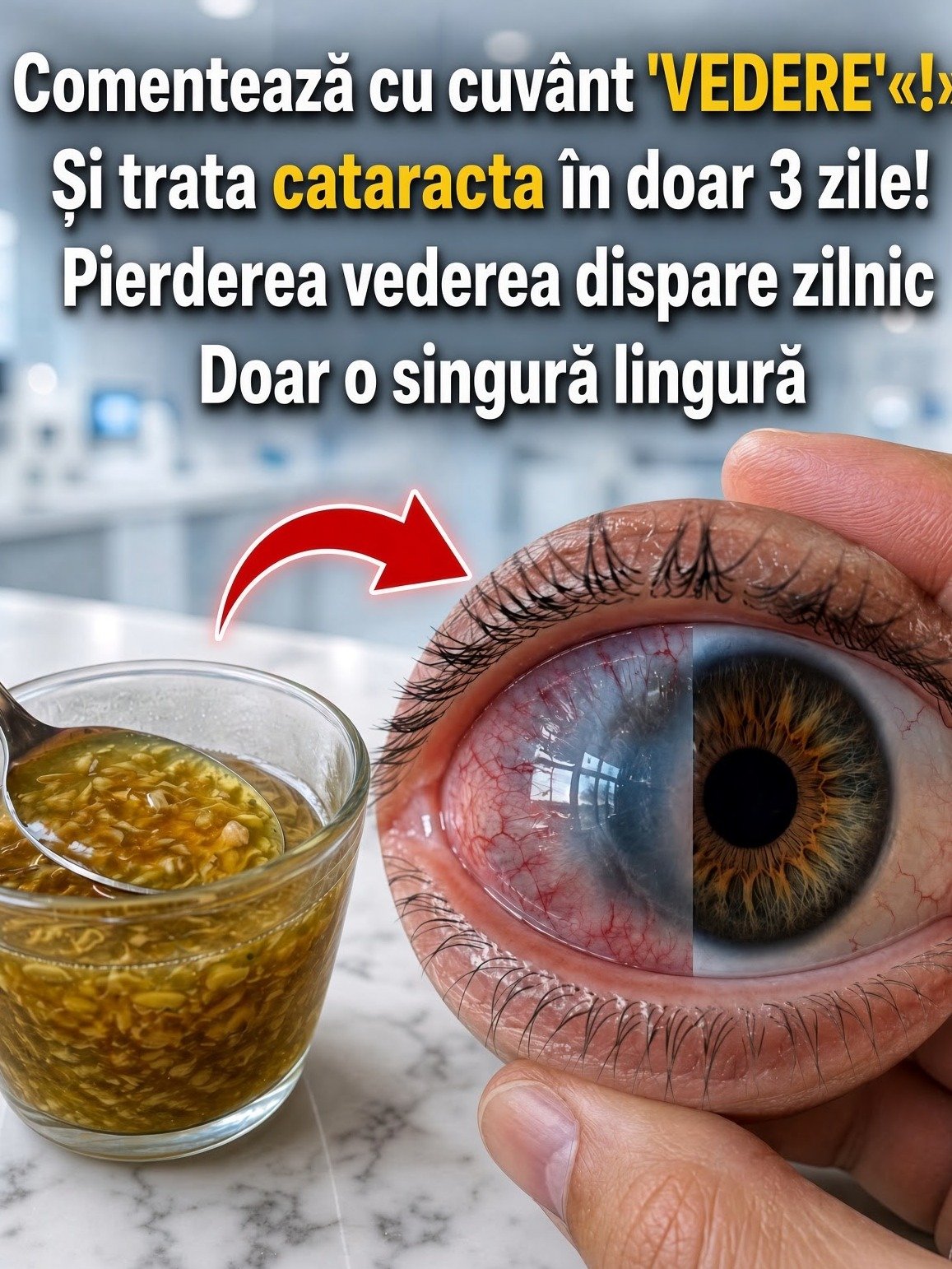
If headlights suddenly seem much more dazzling, night driving has become significantly more challenging, or you notice any other changes in your vision, consulting an ophthalmologist is a far more appropriate course of action than attempting an dietary ‘remedy’.
🥑 A Helpful Detail: Carotenoids and Dietary Fats
Many carotenoids are fat-soluble, meaning their absorption into your body can be significantly enhanced or influenced by the other components of your meal.
For this reason, it’s beneficial to incorporate Gac into a meal that includes a moderate amount of healthy dietary fats.
Depending on your recipe, these fats can come from sources like avocado, nuts, seeds, eggs, or various healthy vegetable oils.
There’s no need for excessive amounts; the key is simply to integrate the fruit thoughtfully into a well-balanced meal to maximize its nutritional benefits.
🍲 Does Gac Need to Be Eaten Raw?
Not necessarily.
The process of cooking affects nutrients in diverse ways. While excessive and prolonged heating can diminish the levels of certain temperature-sensitive compounds, preparing foods can sometimes actually make specific carotenoids more bioavailable and easier for your body to absorb.
Therefore, there’s no strict requirement to consume Gac exclusively in its raw form.
A straightforward approach is to avoid overcooking it and to combine it with other minimally processed, wholesome foods.
🌿 7 Simple Habits for an Eye-Friendly Routine
An eye health routine doesn’t have to be complicated:
- Eat a rainbow of fruits and vegetables.
- Include food sources rich in carotenoids and other essential nutrients.
- Take regular breaks when using screens for extended periods.
- Drink plenty of fluids throughout the day.
- Wear sunglasses with adequate UV protection outdoors.
- Schedule regular eye exams, especially if you notice any changes in your vision.
- Never delay medical evaluation for sudden or significant visual symptoms.
These measures might seem less dramatic than promises of ‘perfect vision overnight,’ but they represent a far more realistic and sustainable approach to genuinely caring for your eyes.
Frequently Asked Questions About Gac and Vision
Can Gac Fruit Improve Blurry Vision?
Gac should not be considered a direct treatment for blurry vision. While it provides beneficial carotenoids and can be a healthy addition to your diet, persistent changes in your vision always require evaluation by an eye care specialist.
Does Gac Contain Vitamin A?
The fruit is renowned for its rich content of carotenoids, particularly beta-carotene. Your body has the remarkable ability to convert this beta-carotene into Vitamin A as needed.
Do I Need to Eat Gac Every Day?
No, it’s not necessary. A diverse and varied diet is far more crucial for overall health than consuming any single fruit daily.
Do Carrots and Gac Have Similar Benefits?
Both carrots and Gac can contribute valuable carotenoids to your diet, but their overall nutritional profiles are not identical. Instead of choosing just one food, it’s much more beneficial to consume a wide variety of fruits and vegetables.
Conclusion
Ultimately, Gac fruit is a nutritious food, not a medical treatment for blurry vision.
Its natural abundance of carotenoids, including beta-carotene and lycopene, makes it an exciting and valuable ingredient for a vibrant and varied diet.
For optimal eye health, the bigger picture truly matters most: a balanced diet, regular screen breaks, adequate sleep, proper hydration, UV protection, and consistent eye check-ups.
Instead of searching for a single ingredient that promises to ‘fix’ your vision instantly, we can embrace Gac as another valuable food that contributes to the rich diversity of a truly healthy diet.
SEO Title
Gac Fruit for Eye Health: Carotenoids, Nutrition, and Habits for Normal Vision
Meta Description
Discover Gac fruit, its natural carotenoids, and how this colorful Southeast Asian fruit can be incorporated into a balanced diet to support normal eye health.
SEO Keywords
Gac fruit benefits, Gac for eyes, Gac fruit nutrition, beta-carotene foods, carotenoids and vision, foods for eye health, diet for vision, Vitamin A and vision, fruits for eyes, eye health
Note: This material is for informational and educational purposes only. It is not intended to diagnose, prevent, or treat any eye condition. Persistent, sudden, or unexplained changes in vision must be evaluated by a doctor or an eye care specialist.