 By admin
Meta description: Uncover a simple yet powerful homemade hand cream featuring aloe vera, almond oil, and vitamin E. Learn how this blend can deeply hydrate your skin, understand the crucial role of sun protection for age spots, and discover essential precautions for a safe, effective routine.
Are your hands betraying your age? Often the first area to show signs of time, our hands endure constant exposure to sun, frequent washing, and dry air, leading to rough texture, dryness, and tell-tale age spots. If you’re searching for an easy yet effective way to achieve softer, hydrated, and well-cared-for hands, you’ve landed in the right place. Forget those ‘spots disappear overnight’ claims; a truly realistic approach focuses on three fundamental pillars: consistent hydration, robust sun protection, and gentle care. And guess what? We’re about to reveal a remarkably simple combination of aloe vera, almond oil, and vitamin E that can transform your hand care routine.
Why Do Age Spots Become So Prominent on Our Hands?
The backs of our hands are constantly exposed to sunlight. Whether you’re walking, gardening, driving, or simply going about your daily outdoor activities, this cumulative exposure to UV radiation can lead to more noticeable pigmentation over time. This is why those ‘age spots’ often become more pronounced as the years pass. However, sun exposure isn’t the only culprit; several other factors can significantly influence the appearance of your skin:
-
Natural age-related changes;
-
Persistent dryness;
-
Previous irritations or injuries;
-
Repeated friction;
-
Your unique skin type;
-
Genetic predispositions.
It’s crucial to understand that no homemade cream can deliver identical results for everyone due to these varied factors. A more achievable and realistic goal is to focus on keeping your skin thoroughly hydrated, well-protected, and feeling comfortable.
Your Secret Weapon: The Simple 3-Ingredient Hand Care Recipe
This combination is incredibly easy to prepare and doesn’t require any blenders or special appliances.
Gather Your Ingredients
-
2 tablespoons of pure aloe vera gel
-
1 teaspoon of almond oil
-
1 vitamin E capsule
Simple Steps to Prepare Your Cream
First, spoon the pure aloe vera gel into a clean container. Next, add the almond oil, stirring gently until both ingredients are thoroughly combined. Carefully snip open the vitamin E capsule and squeeze its contents into your mixture. Continue stirring until you achieve a light, relatively homogeneous texture. If the blend feels a bit too oily for your preference, simply incorporate a little more aloe vera gel. And just like that – your nourishing hand cream is ready!
How to Maximize Your Cream’s Benefits
Apply a small, pearl-sized amount onto clean, dry hands. Pay special attention to the areas that need it most:
-
The backs of your hands;
-
Your finger knuckles;
-
Any visibly dry patches;
-
Areas with a rougher texture.
Gently massage the cream until most of the product has been absorbed into your skin. For an intensive overnight treatment, you can leave a slightly thicker layer on your skin, especially in the evening. If you find the mixture feels a bit too rich for your liking, simply let it sit for about 20–30 minutes, then blot away any excess. Remember, applying a large quantity doesn’t guarantee better results. A consistent, modest amount that your skin tolerates well is usually all you need.
The Powerhouse: What Does Aloe Vera Do?
Aloe vera is a star ingredient in countless cosmetic products, celebrated for its lightweight texture and exceptional hydrating properties. For hands that feel dry or rough, adequate moisture can visibly transform your skin, making it appear:
-
Significantly softer;
-
Noticeably smoother;
-
Less parched and more supple;
-
Overall more comfortable;
-
Better cared for and healthier.
When your skin is properly hydrated, its surface can also take on a brighter, more radiant appearance. However, it’s important to clarify that aloe vera should not be marketed as a guaranteed treatment to eliminate pigmentation spots. In this particular recipe, its primary and most valuable role is to deliver deep hydration and enhance overall skin comfort.
Why Add Almond Oil to the Mix?
Almond oil acts as a powerful emollient, a fancy word for an ingredient that helps keep your skin soft and smooth. Essentially, it works to reduce moisture loss from the skin’s surface, creating a protective barrier. This property is incredibly beneficial, especially for individuals whose hands are frequently exposed to:
-
Harsh soaps;
-
Cleaning products;
-
Hand sanitizers;
-
Excessive water;
-
Cold or dry air.
Remember, a little goes a long way with almond oil. Important note: If you have a known allergy to almonds or other tree nuts, it is much safer to avoid this recipe entirely and opt for a different moisturizer you know your skin tolerates well.
What Magic Does Vitamin E Bring?
Vitamin E is a popular ingredient frequently found in hydrating cosmetic formulations. In this specific blend, it’s best viewed as a supportive component of the overall skin care formula, rather than an ingredient that will magically ‘erase’ pigmentation. Keep in mind that more isn’t necessarily better; for the quantity of cream in this recipe, a single capsule is perfectly sufficient. It’s also worth noting that topical vitamin E can sometimes cause irritation in certain individuals. Therefore, performing a patch test on a small area of your skin before regular use is always a wise precaution.
For Pigmentation Spots, Sun Protection is Non-Negotiable
This step is arguably the most critical aspect of your hand care routine. If pigmentation spots are your primary concern, relying solely on hydration simply won’t cut it. Sun exposure can intensify existing pigmentation, making spots appear darker, and also trigger the formation of new ones. This is precisely why consistently applying a broad-spectrum sunscreen to your exposed hands should become a non-negotiable habit. Remember that frequent hand washing will gradually remove your sunscreen, so if you’re spending extended periods outdoors, reapplication is essential. You can further enhance your protection with simple habits like wearing gloves while gardening or consciously avoiding prolonged sun exposure whenever possible. Ultimately, hydration and sun protection work far more effectively when combined than when used in isolation.
What Realistic Results Can You Expect?
If your hands are currently dry or rough, consistent use of a hydrating cream can noticeably improve your skin’s feel relatively quickly. Well-hydrated skin often becomes softer to the touch and can even appear more visually uniform in texture. However, pigmentation is a different beast. Older or deeper spots will not vanish after just a few applications of a homemade cream. Their appearance can be influenced by a complex interplay of factors, including:
-
The underlying cause of the pigmentation;
-
Your individual skin type;
-
The age of the spots;
-
Ongoing sun exposure;
-
The consistency of your sun protection efforts;
-
The presence of any existing irritations.
Therefore, the realistic goal of this routine is comprehensive skin care and hydration, not a dramatic overnight transformation. The good news is you don’t need ten different products to get started.
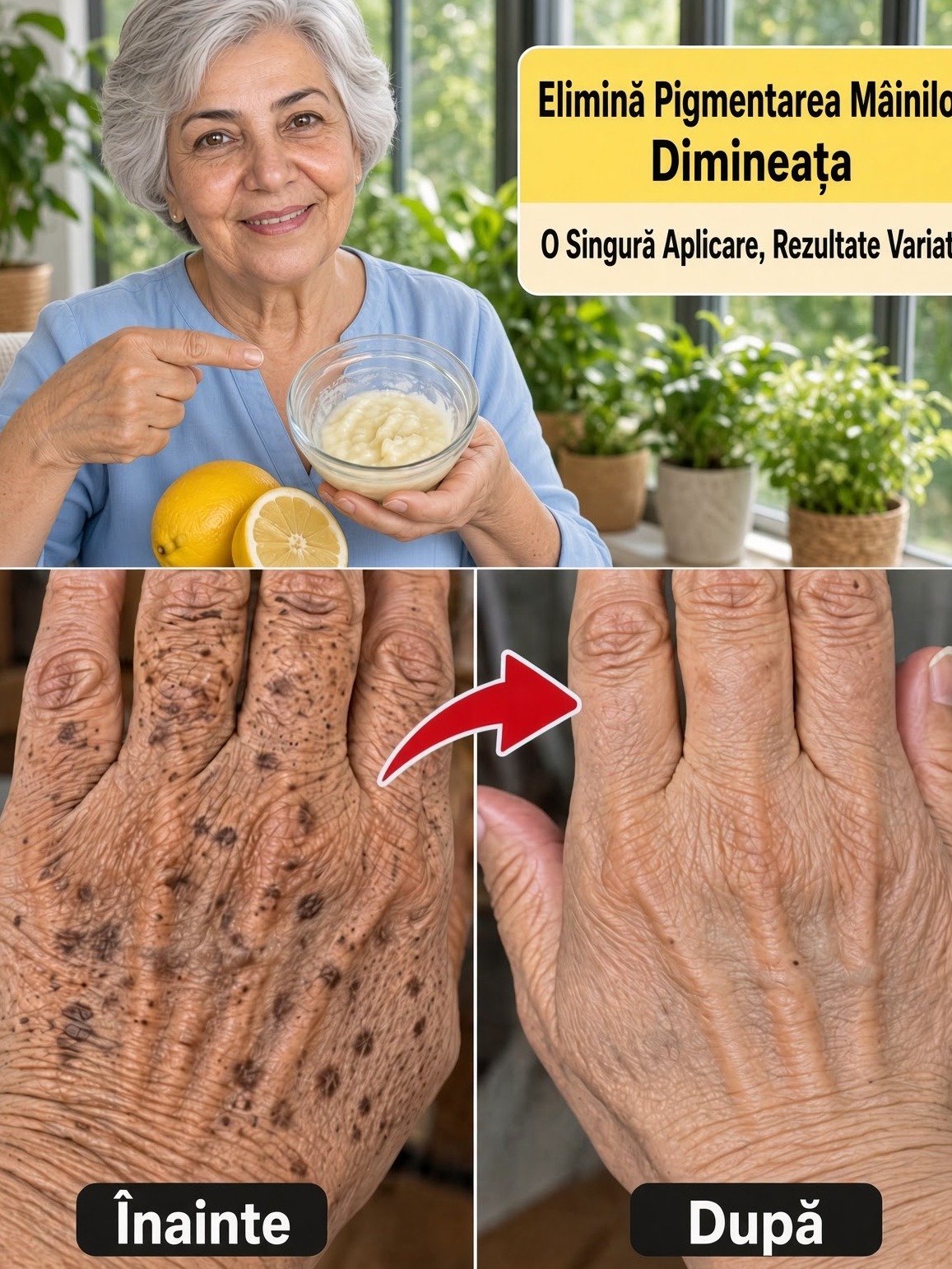
Morning Routine
Apply your hydrating cream and a broad-spectrum sunscreen to the backs of your hands before any sun exposure.
Throughout the Day
After frequent hand washing, reapply your hydrating product if your skin starts to feel dry or tight.Evening Ritual
Apply a small amount of your aloe vera, almond oil, and vitamin E blend. Gently massage it into your hands, allowing the product to work its magic as the hydrating step in your evening routine. Remember, consistency in your routine is generally far more beneficial than constantly switching between different products.
4 Critical Mistakes to Avoid When Caring for Hand Spots
1. Applying Lemon Juice Directly to Your Skin
Lemon is often touted online as a quick fix for ‘whitening’ spots. However, its high acidity can severely irritate your skin, and irritation is precisely the opposite of what you want when trying to manage pigmentation.
2. Using Concentrated Vinegar
Potent vinegar can cause stinging, excessive dryness, and significant irritation. For daily use, a gentle, nurturing approach is always the most prudent strategy.
3. Aggressively Scrubbing Spots
Pigmentation isn’t dirt, and it cannot be scrubbed away with intense friction. Aggressive exfoliation can actually damage your skin’s delicate barrier and increase its sensitivity, making the problem worse.
4. Applying the Mixture to Damaged Skin
Never apply this cream to:
-
Open cuts;
-
Deep cracks;
-
Active rashes or breakouts;
-
Inflamed areas;
-
Severely irritated skin.
Always wait until your skin has fully healed before applying any new products.
Always Patch Test Your Homemade Blend First
Even ingredients widely considered gentle can sometimes trigger reactions in certain individuals. Before applying this cream to both hands, always perform a patch test: apply a small amount of the product to a limited skin area and monitor for any reactions over approximately 24 hours. Discontinue use immediately if you experience any signs of:
-
Redness;
-
Itching;
-
Stinging or burning;
-
Swelling;
-
Any persistent discomfort.
How to Properly Store Your Homemade Cream
Homemade cosmetic preparations, unlike commercial products, do not contain tested preservative systems. For this reason, it’s crucial to prepare only small quantities at a time. Store your blend in a clean, tightly sealed container. If you’re using fresh aloe vera, refrigeration becomes especially important to maintain its freshness. Discard the product immediately if you notice any unusual changes in its smell, color, texture, or if the ingredients separate in a way that can no longer be homogenized. It’s always wiser to prepare only what you’ll need for a few days rather than making a large batch.
When Should You Get a Hand Spot Checked by a Professional?
While many pigmentation spots are harmless, it’s vital not to automatically assume every change in skin color is merely a benign ‘age spot.’ You should seek evaluation from a healthcare professional if a spot:
-
Grows rapidly in size;
-
Changes its shape or color;
-
Develops irregular or blurred borders;
-
Suddenly becomes raised or bumpy;
-
Starts to bleed;
-
Repeatedly forms crusts;
-
Becomes painful or tender;
-
Causes persistent itching;
-
Looks significantly different from other spots on your skin.
A homemade hydrating cream can certainly complement your cosmetic routine, but it should never delay the professional evaluation of a changing skin lesion.
Frequently Asked Questions
Can This Cream Eliminate Spots Overnight?
No, absolutely not. It’s far more realistic to expect deep hydration and a noticeable improvement in skin softness. Long-standing pigmentation often requires time and may not respond significantly to a homemade moisturizing cream alone.
Can I Use This Cream Daily?
Yes, if your skin tolerates the ingredients well, a small amount can certainly be incorporated into your regular daily hydration routine.
Do I Really Need to Use Sunscreen on My Hands?
If your hands are regularly exposed to sunlight, consistent sun protection is incredibly important to help limit the worsening of existing pigmentation and prevent new spots from forming.
Can I Add Lemon for a Stronger Effect?
It’s strongly advised to avoid applying concentrated lemon juice directly to your skin. It can cause irritation and make your skin significantly more sensitive to the sun.
How Long Can I Store This Mixture?
Always prepare small quantities, and discard the product immediately if you notice any changes in its smell, color, or texture.
Final Thoughts
A wonderfully simple cream, crafted from aloe vera, almond oil, and vitamin E, can be a fantastic option for hands that feel dry, rough, or simply look tired. Its most realistic and impactful benefits are centered around deep hydration, remarkable softening, and a significant improvement in overall skin comfort. When it comes to managing pigmentation spots, remember that daily sun protection is every bit as crucial as your hydrating cream, if not more so. Instead of chasing ‘spots disappear overnight’ promises, embrace a more effective, straightforward approach:
Hydration + Sun Protection + Gentle Cleansing + Consistency.
Your skin doesn’t always demand aggressive treatments. Sometimes, the most powerful form of care comes from a gentle, unwavering routine.
SEO Details
SEO Title: 3-Ingredient Hand Cream for Spots: Aloe Vera, Almond Oil & Vitamin E
Meta description: Discover a simple hand cream with aloe vera, almond oil, and vitamin E, ideal for skin hydration and a gentle routine for pigmentation spots.
Recommended Slug: crema-maini-3-ingrediente-pete-pigmentare
Primary Keyword: cream for pigmentation spots on hands
Secondary Keywords: hand cream with aloe vera, almond oil for skin, vitamin E for hands, care for pigmentation spots, dry hands, natural hand cream.
Recommended ALT Text: Woman applying a hydrating cream made with aloe vera, almond oil, and vitamin E to her hands.
Informative Note: This material is for general, educational, and cosmetic purposes only. It is not intended for the diagnosis or treatment of any medical condition. Any spot or lesion that changes shape, color, size, bleeds, or causes other unusual symptoms should be evaluated by a healthcare professional.