 By admin
Are you over 45 and constantly searching for natural ways to keep your skin looking youthful and radiant? You’re not alone. The internet is brimming with enticing DIY skincare recipes, promising everything from “younger skin overnight” to “fewer wrinkles in days,” often featuring common kitchen staples like honey, lemon, aloe vera, coconut oil, yogurt, or even rice water. These remedies often seem simple, affordable, and incredibly appealing. However, there’s a crucial truth many overlook: “natural” doesn’t automatically mean “gentle” or “suitable for every skin type,” especially for mature skin. As we age past 45, our skin undergoes significant changes, becoming drier, more sensitive, and less tolerant of certain ingredients. This article will unveil 7 hidden risks of homemade cosmetic remedies after 45, exploring why some seemingly innocent natural ingredients can actually irritate mature skin, and how gentle, consistent habits can truly support your skin’s barrier. Discover essential tips for delicate mature skin care, protecting your skin barrier, and embracing healthy skin aging, without falling for potentially damaging DIY beauty trends.
The good news is that caring for mature skin doesn’t have to be complicated. In fact, a simple, consistent routine is often far more beneficial than continuously experimenting with new, unproven recipes.
Why Does Skin Change After 45?
Skin aging is a natural, inevitable process. As the years pass, collagen production gradually declines, elasticity changes, and the skin struggles to retain moisture as effectively.
You might notice:
- More visible fine lines and wrinkles;
- Increased dryness;
- Heightened sensitivity;
- Changes in skin texture;
- Uneven pigmentation;
- A gradual loss of elasticity.
Hormonal shifts, particularly those associated with menopause, can also significantly impact skin hydration and comfort. This is precisely why mature skin doesn’t necessarily need more aggressive treatments. Instead, it often thrives on three simple yet powerful elements: hydration, protection, and consistency.
7 Hidden Risks of Homemade Skincare Treatments
1. That “Soft Skin” Feeling Might Be Only Temporary
A homemade mask can certainly make your skin feel smoother immediately after use.
Honey, for instance, possesses humectant properties that can contribute to a temporary sensation of hydration. However, this immediate effect doesn’t automatically mean the mask is providing everything your skin’s barrier needs for long-term health.
If a seemingly gentle ingredient is combined with an irritant, such as lemon juice, the outcome can be the exact opposite of what you hoped for.
A feeling of tight skin, flaking, itching, or increased dryness can all signal that the mixture isn’t suitable. A fragrance-free moisturizer containing powerhouse ingredients like glycerin, ceramides, or hyaluronic acid often offers a more predictable and beneficial choice for mature skin.
2. Irritation Can Develop After Repeated Use
Just because an ingredient doesn’t cause an immediate reaction doesn’t guarantee your skin will tolerate it indefinitely.
Some individuals can develop irritation or contact dermatitis after repeated exposure to certain substances.
Lemon juice is a common example found in DIY masks touted for “brightening” the complexion. However, its high acidity can easily irritate facial skin. Potent essential oils and intensely fragranced botanical extracts can also trigger adverse reactions in sensitive individuals.
Redness, burning sensations, persistent itching, or unusual sensitivity are clear warning signs that the product should be discontinued immediately.
3. Coconut Oil Isn’t Ideal for Every Skin Type
Coconut oil is frequently recommended as a “natural” moisturizer.
While it can leave certain dry areas of the body feeling softer, the delicate skin on your face has different needs.
For individuals prone to acne or clogged pores, coconut oil can significantly contribute to breakouts. If you have combination, oily, or acne-prone skin, a lightweight, non-comedogenic moisturizer is often a much more appropriate and safer choice.
4. Lemon and Other Citrus Can Cause Problems in the Sun
This is a risk that’s remarkably easy to overlook.
Certain citrus fruits contain compounds called furocoumarins. When these substances come into contact with the skin, followed by exposure to UVA radiation, they can trigger a severe reaction known as phytophotodermatitis.
This reaction can manifest as redness, painful blisters, and hyperpigmentation that can linger long after the initial healing.
Lime is a well-known culprit. For this reason, applying fresh citrus juice directly to your face is not a safe or predictable method for evening out skin tone.
5. Homemade Masks Lack Cosmetic Preservation Systems
A well-formulated cosmetic product is meticulously designed with ingredient stability, preservation, and microbiological safety in mind.
Mixtures prepared in your kitchen generally do not benefit from these same rigorous measures.
Cooked rice, aloe vera, water, and other fresh ingredients stored together for even a few days can become breeding grounds for microorganisms. Neither the smell nor the appearance can reliably confirm that your homemade concoction is safe to apply.
If you absolutely choose to use a DIY recipe, prepare only a small quantity, ensure all utensils are scrupulously clean, and never apply the mixture to compromised, inflamed, or infected skin.
6. “Overnight Results” Promises Create Unrealistic Expectations
“Apply before bed and wake up with wrinkles gone!”
This message is undeniably appealing, but the biology of your skin is far more complex than any quick fix can address.
Wrinkles, dryness, pigmentation, and changes in elasticity all have diverse underlying causes. There isn’t a single kitchen ingredient that has been scientifically proven as a universal and rapid solution for all these multifaceted skin changes.
For genuinely healthy-looking skin, consistency and patience are far more realistic than expecting dramatic transformations: gentle cleansing, consistent hydration, daily sun protection, adequate sleep, and diligently avoiding unnecessary irritation.
7. Constantly Changing Masks Can Complicate Your Routine
One day it’s rice water, the next it’s lemon, followed by honey and baking soda.
Introducing numerous ingredients in a short span of time makes it incredibly difficult to pinpoint which specific component is responsible if an adverse reaction occurs.
Furthermore, constant experimentation can foster unrealistic expectations about what normal skin texture should be and the natural, inevitable process of aging.
Your skin doesn’t need to be entirely wrinkle-free to be healthy. A simplified routine with the gradual introduction of new, proven products can be much easier to manage and far more effective in the long run.
What About Rice and Tapioca Pearl Masks?
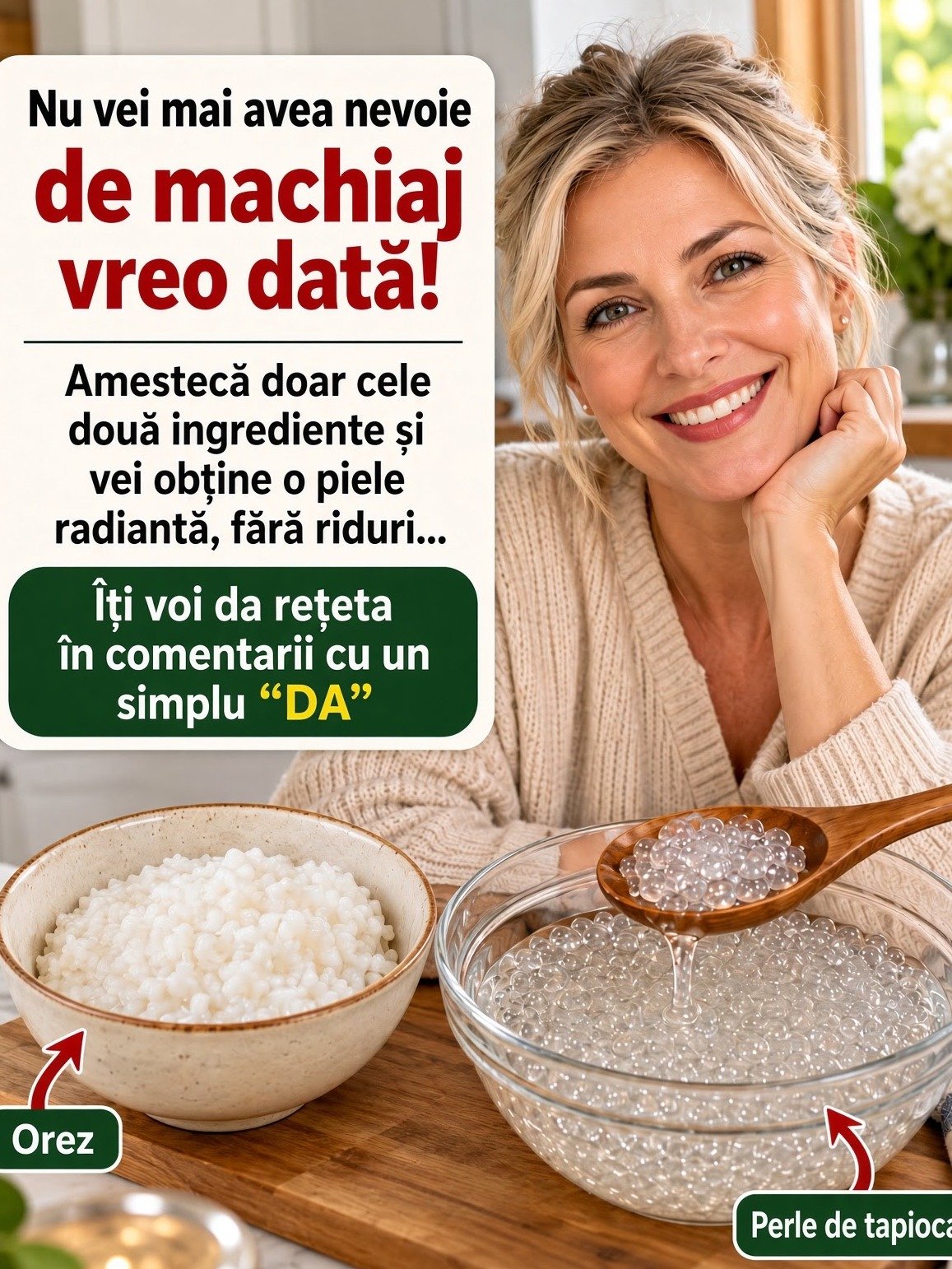
Recipes featuring cooked rice, rice water, or tapioca have surged in popularity across social media, where they are sometimes touted as the secret to achieving “glass skin.”
The reality, however, is far more nuanced.
Ingredients derived from rice are indeed utilized in certain cosmetic products due to their beneficial properties. However, directly applying cooked rice to your face has not been scientifically proven as a method for eliminating wrinkles.
Tapioca is primarily a starch-rich food ingredient. There is currently insufficient clinical evidence to suggest that a homemade tapioca mask can restore collagen or reverse the visible signs of skin aging.
4 Natural Ingredients That Can Have a Place in a Gentle Routine
Not all naturally derived ingredients need to be avoided outright. What truly matters are their form, concentration, and how they are formulated within a product.
Aloe vera is frequently incorporated into soothing products and can offer temporary hydration and comfort, though it’s important to note that some individuals may still experience allergic reactions.
Colloidal oatmeal is a star ingredient found in numerous products designed for dry and sensitive skin. It can significantly help to calm discomfort and reinforce the skin’s protective barrier.
Honey possesses humectant properties and can temporarily leave the skin feeling softer and more supple, but regular kitchen honey is not a proven treatment for wrinkles or pigmentation issues.
Certain vegetable oils can effectively reduce transepidermal water loss and soften the skin. However, not all oils are suitable for facial application, especially for sensitive or acne-prone complexions.
A Simple Skincare Routine for Mature Skin After 45
You don’t need a myriad of products for a balanced and effective skincare routine.
Morning
Step 1 – Gentle Cleansing: Wash your face with lukewarm water and a mild, non-stripping cleanser. Avoid aggressive scrubbing.
Step 2 – Hydration: Apply a moisturizer suitable for your skin type. Ingredients like glycerin and ceramides are excellent for supporting skin hydration.
Step 3 – Sun Protection: Use a broad-spectrum sunscreen with an SPF of 30 or higher on all exposed areas, every single day.
Evening
Gently cleanse your face to remove makeup, sunscreen, and any impurities accumulated throughout the day. Afterward, apply a hydrating moisturizer, ideally while your skin is still slightly damp to lock in moisture.
And never underestimate the power of sleep. A regular, restorative sleep routine is an integral part of your overall bodily and skin health.
How to Introduce a New Product Without Complicating Your Routine
Before applying any new product to your entire face, always check the ingredients list and perform a patch test on a small, inconspicuous area.
Introduce only one new product at a time, particularly if you have sensitive skin. Avoid simultaneously combining multiple potent exfoliating ingredients.
If you experience burning, itching, or persistent redness, discontinue use immediately. Even a product described as “natural,” “organic,” or “for sensitive skin” can still provoke reactions in certain individuals.
Frequently Asked Questions
Can homemade masks eliminate wrinkles?
There is insufficient scientific evidence to suggest that common homemade masks can effectively eliminate wrinkles. While some ingredients may offer a temporary sensation of hydration or softness, this does not equate to reversing skin aging.
Is rice water good for mature skin?
Rice-derived ingredients are used in commercial cosmetics, but scientific evidence regarding the efficacy of homemade rice water for mature skin is limited. Tolerance can also depend on preparation methods and individual skin sensitivity.
Can I apply lemon juice directly to my face?
It is generally much safer to avoid this practice. Lemon juice can irritate the skin, and certain compounds in citrus fruits can cause adverse reactions, especially when combined with sun exposure, leading to skin damage.
What is one of the most important skincare habits after 45?
Consistent sun protection is arguably one of the most crucial habits for limiting skin damage associated with UV exposure. Gentle cleansing and regular hydration form the foundational pillars that complement this essential practice.
Conclusion: Mature Skin Needs Consistency, Not Miracles
Caring for your skin after 45 doesn’t have to be an endless battle against every fine line or a constant pursuit of viral, unproven recipes.
While kitchen ingredients may seem simple and natural, this characteristic alone does not automatically make them safer or more effective for your skin.
A sustainable and truly beneficial approach to mature skin care can be surprisingly simple: gentle cleansing, consistent hydration, daily sun protection, and carefully chosen, evidence-backed products.
Healthy aging isn’t about erasing every sign of time. It’s about nurturing your skin so that it remains as comfortable, hydrated, and protected as possible, allowing your natural radiance to shine through.
Note: This article is for educational and informational purposes only. It does not replace the recommendations of a dermatologist or other medical professional. If you experience persistent irritation, allergic reactions, or unusual skin changes, please seek a specialist evaluation.