 By admin
 Meta description: Discover the potential of aloe vera and cinnamon, how to use them in a balanced way, and crucial precautions before adding them to your daily routine.
Are you constantly scrolling through social media, seeing influencers rave about the miracle benefits of aloe vera and cinnamon? This dynamic duo has taken the wellness world by storm, often touted as a cure-all for everything from vision loss to chronic diseases.
Aloe vera and cinnamon are indeed two natural ingredients cherished for generations. Aloe vera is renowned for the soothing gel found within its leaves, while cinnamon captivates with its intense aroma and potent plant compounds.
However, the blend of aloe vera and cinnamon has recently soared in popularity across social platforms, sometimes leading to wildly exaggerated claims about its efficacy.
It’s crucial to distinguish between their traditional uses, the ongoing scientific research, and truly proven benefits.
Let’s be clear: aloe vera and cinnamon do not cure serious illnesses, restore lost vision, or miraculously “cleanse” your body. When used correctly and in sensible amounts, they can simply be two intriguing additions to a well-rounded, healthy lifestyle.
🌱 What Makes Aloe Vera So Fascinating?
Aloe vera is a succulent plant, and its most recognized feature is the clear, gelatinous substance found inside its leaves.
This gel is primarily composed of water and contains various natural compounds inherent to the plant.
Aloe vera is perhaps best known for its external applications. The gel is a common ingredient in many skin and hair care products, valued for its hydrating properties and the cooling sensation it provides.
However, consuming aloe vera is an entirely different matter.
Not all parts of the aloe leaf are suitable for ingestion, and proper preparation is absolutely essential for safe consumption.
🤎 Why Is Cinnamon So Highly Regarded?
Cinnamon offers more than just the familiar, comforting aroma we associate with cozy desserts and warm beverages.
This spice is rich in polyphenols and other plant compounds that possess antioxidant activity.
Cinnamon has also been the subject of research concerning glucose metabolism. While some studies have observed interesting effects, the results are not yet consistent enough to definitively consider cinnamon a treatment for diabetes.
For most people, its simplest and most common use remains culinary: adding small amounts to oatmeal, yogurt, fruit, or drinks.
✨ What Can the Aloe Vera and Cinnamon Combination Offer?
Instead of viewing this combination as a magical “remedy,” it’s more beneficial to explore how these two ingredients can fit into a diverse and healthy diet.
1. Provides Beneficial Plant Compounds
Cinnamon is a notable source of polyphenols, and aloe vera also contains various natural compounds that have been studied for their biological properties.
Antioxidants obtained from your diet play a vital role in the body’s mechanisms for managing oxidative stress.
However, this doesn’t imply that a single food can “regenerate cells” or prevent all diseases on its own.
2. May Complement a Routine for Digestive Comfort
Certain aloe vera products specifically formulated for consumption are used to support digestive comfort.
It’s crucial to understand the significant difference between properly prepared food-grade aloe gel and the yellow latex found immediately beneath the leaf’s skin.
Aloe latex can have a potent laxative effect and should never be consumed indiscriminately.
3. Cinnamon Can Be Part of a Balanced Diet
Research into cinnamon’s potential effects on blood sugar continues to generate interest.
Nevertheless, simply adding cinnamon to a drink does not substitute for a proper diet, regular physical activity, blood sugar monitoring, or prescribed medications for individuals with diabetes.
4. Can Make Water More Appealing
For some individuals, lightly flavored beverages are a pleasant way to ensure adequate fluid intake.
In this context, the benefit can be quite straightforward: an aromatic drink that easily integrates into a normal hydration routine.
👁️ Can Aloe Vera and Cinnamon Improve Eyesight?
Here, it’s particularly important to be wary of the sensational claims often found online.
There is no credible scientific evidence that a drink containing aloe vera and cinnamon can eliminate cataracts, repair the retina, restore lost vision, or prevent blindness.
However, nutrition does play a significant role in maintaining overall eye health.
A varied diet can provide essential nutrients like vitamin A, vitamin C, vitamin E, zinc, lutein, zeaxanthin, and omega-3 fatty acids.
Leafy green vegetables, carrots, eggs, citrus fruits, fish, nuts, and a colorful array of fruits and vegetables are excellent examples of foods that contribute to such a diet.
Sudden changes in vision, persistent blurry vision, the appearance of light flashes, eye pain, or vision loss all necessitate immediate professional medical evaluation.
🥤 A Simple Aloe Vera and Cinnamon Drink
If you’re interested in trying this combination, there’s no need for highly concentrated preparations.
Ingredients:
-
1 cup of water;
-
a small amount of food-grade aloe vera gel, properly prepared;
-
a pinch of cinnamon;
-
a little honey, optional.
Simply mix the ingredients until the drink is well combined and enjoy it fresh.
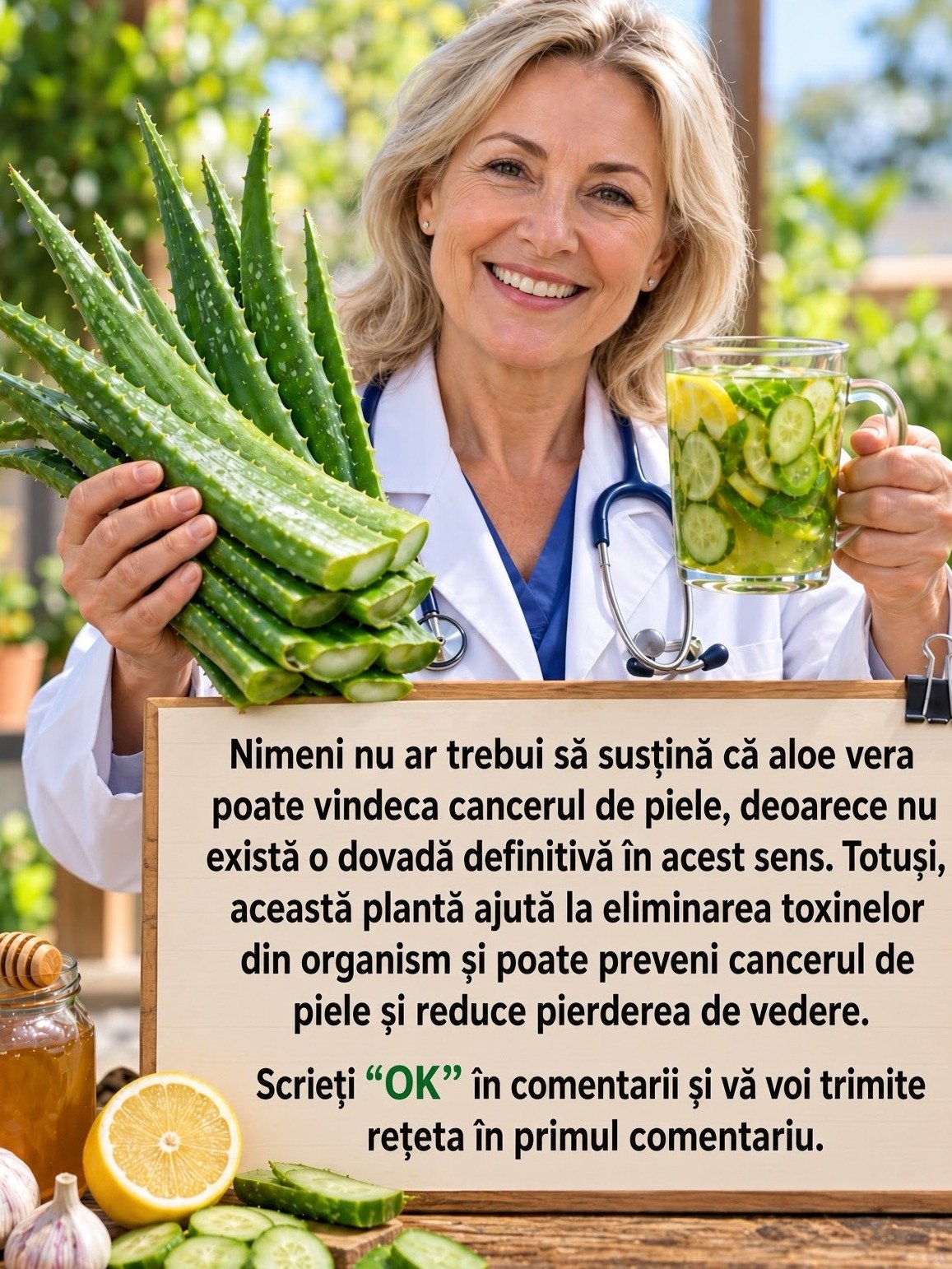
There’s no demonstrated reason why it must be consumed on an empty stomach.
Furthermore, there’s no need for a “7-day,” “21-day,” or “30-day cleanse.” When it comes to herbal ingredients, a larger quantity does not automatically equate to greater benefits.
🍋 A Simpler, More Refreshing Alternative
If you prefer to avoid oral aloe vera, you can prepare a delicious flavored water with:
-
slices of cucumber;
-
a few lemon slices;
-
fresh mint leaves;
-
a cinnamon stick.
Allow the ingredients to infuse in water in the refrigerator and serve the drink chilled.
Above all, this is a delightful way to make water more appealing and flavorful, not a “detox” drink.
🌿 Aloe Vera for Skin Care
External application is one of the most widely recognized uses for aloe vera gel.
When applied to healthy skin, appropriate aloe products can provide a refreshing and hydrating sensation.
However, individuals with sensitive skin should always patch-test the product on a small area first.
In contrast, applying cinnamon directly to the face requires much greater caution. Cinnamon can potentially cause irritation, redness, a burning sensation, or contact dermatitis in some people.
For this reason, it is generally not advisable to add cinnamon to homemade facial masks.
💇 What About Hair and Scalp?
Aloe vera is a common ingredient in numerous shampoos, conditioners, and scalp treatments.
Its texture can contribute to a feeling of hydration and conditioning for the hair.
However, claims that aloe vera and cinnamon can “reactivate dormant follicles” or halt all types of hair loss are greatly exaggerated.
Hair loss can stem from many different causes. If it occurs suddenly, is very pronounced, or persists, identifying the underlying cause is far more important than experimenting with home remedies.
⚠️ Beware of the Yellow Part of the Aloe Leaf
Remember, “natural” doesn’t automatically mean risk-free.
Immediately beneath the outer skin of the aloe leaf lies a yellowish layer known as aloe latex.
This latex contains substances with a powerful laxative effect and should not be confused with the clear gel.
For internal use, commercially prepared products explicitly designed for consumption may be safer and easier to use under controlled conditions than preparing whole leaf remedies at home.
⚠️ Too Much Cinnamon Is Not a Good Idea Either
Cassia cinnamon, one of the varieties commonly found in stores, can contain relatively high amounts of coumarin.
Excessive and prolonged consumption of coumarin can pose health risks, particularly for individuals with certain liver conditions.
Therefore, there’s no need to consume spoonfuls of cinnamon daily to achieve supposed additional benefits.
Moderate culinary quantities are a much more reasonable approach.
🩺 Who Should Exercise More Caution?
Before regularly using concentrated herbal preparations, caution is especially recommended for individuals who:
-
are pregnant or breastfeeding;
-
have diabetes and are undergoing treatment;
-
have kidney or liver conditions;
-
take regular medications;
-
have a history of allergic reactions to plant-based products.
In these situations, a doctor or pharmacist can help evaluate any potential interactions or contraindications.
🌟 Conclusion: Interesting Ingredients, Without Miraculous Promises
Aloe vera and cinnamon certainly have a place within a balanced lifestyle, but they should not be elevated to the status of a “universal cure-all.”
Cinnamon offers delightful flavor and intriguing plant compounds, while aloe vera is primarily recognized for its applications in personal care products and specific, specially processed food preparations.
What we absolutely should not expect from this combination is the healing of cancer, the restoration of lost vision, the miraculous elimination of toxins, or the replacement of vital medical treatments.
For long-term health, the fundamental principles remain paramount: a varied diet, adequate hydration, regular physical activity, sufficient sleep, and necessary medical check-ups.
Aloe vera and cinnamon can be minor, enjoyable complements to these healthy habits – not a promise of rapid healing.
This material is for general informational purposes only and does not replace professional medical advice, diagnosis, or treatment.